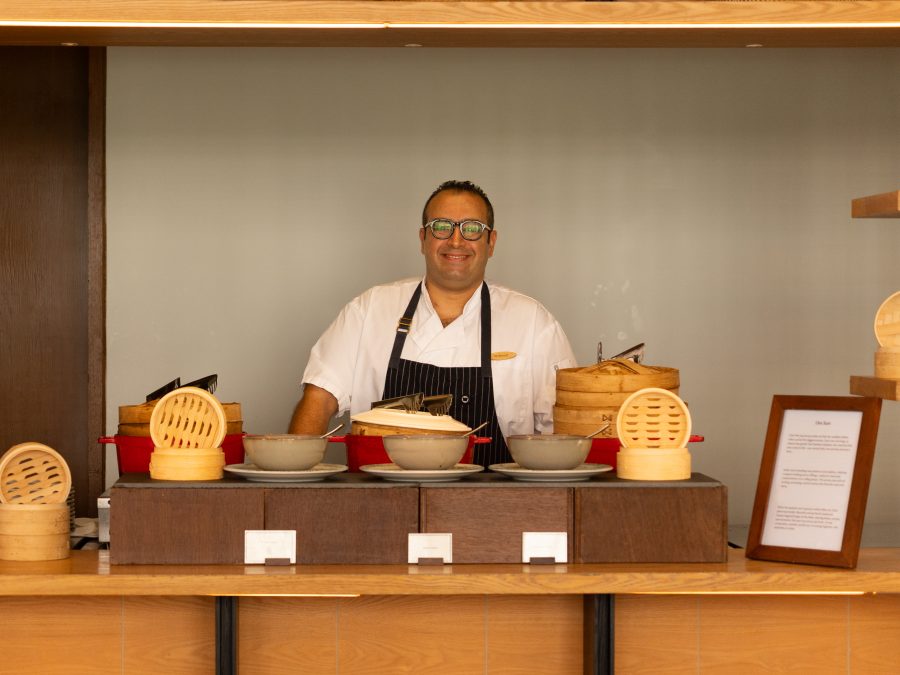
Before the first order: How a breakfast team organises preparation and handover

A breakfast team takes over a kitchen before it takes an order. The opening cook needs to establish what the previous shift has prepared, what remains unfinished and whether the plan still matches the morning’s requirements. An egg station can be stocked and a buffet laid out, yet service can still stumble if that information has not travelled with the food.
Preparation begins with an estimate of demand. Occupancy provides a starting point, but the team also needs to account for departures, excursions, breakfast bookings and room service. A group leaving before the restaurant opens changes both quantities and deadlines. Yesterday’s consumption helps the chef decide how much to prepare, while avoiding the assumption that every occupied room produces the same order.
On an island, those decisions also concern supply. In a 2018 Hotelier Maldives interview, Mohamed Faisel, then Executive Pastry Chef and Acting Executive Chef at COMO Maalifushi, identified inventory management as a central responsibility. He explained that ingredients had to be anticipated and ordered because replacements could not simply be bought when stocks ran out.
That constraint gives the preparation list a purpose beyond dividing jobs. It needs quantities, completion times and the name of the person responsible. Before leaving, the evening team records what has been completed, where it is stored and which tasks the morning team must finish. A shortage discovered at closing needs to reach whoever can arrange a substitution.

The bakery offers a real example of work crossing shifts. In an October 2026 report for Country Life, the bakery at Claridge’s in London was working at 4am on several stages of breakfast production. Fifty of the 300 croissants required for breakfast were baking, while dough for the following day’s pastries was being laminated with butter. Each croissant involved three days of work.
For a breakfast brigade, the lesson is that a tray carries a production history. Whoever takes over needs to know its stage of preparation and what happens next. Counting pastries cannot replace knowing which batch is ready for the oven and which still needs time.
The handover therefore needs to describe status. A note saying that fruit is prepared leaves questions about quantity, location and whether more cutting is required. Recording the number of covered trays, their storage location and the remaining task gives the opening cook something to check. Where shifts overlap, a walk through the section allows both cooks to resolve gaps together.
Equipment belongs in that conversation. In a published account of kitchen handovers, Spoke & Stringer describes losing about £400 of stock after a warning about a chiller was left on a note that disappeared. The incoming chef discovered the problem during breakfast preparation. The account illustrates why equipment faults need escalation and a record that survives the shift.
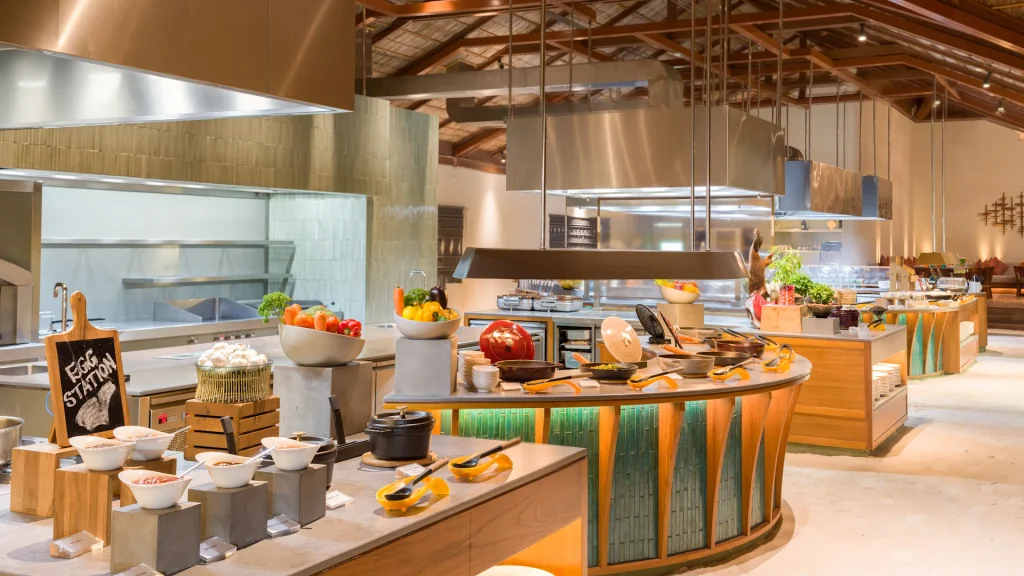
Before production begins, the opening team also checks refrigeration, cooking equipment, work surfaces and handwashing supplies. The UK Food Standards Agency’s catering guidance includes these opening checks alongside confirmation that allergen information is accurate. For a resort brigade, checking the kitchen against its own food safety procedures establishes whether preparation can proceed and identifies anything requiring action.
Once those checks are complete, the chef assigns stations and replenishment duties. The cook handling eggs needs ingredients and utensils within reach, but also someone to bring replacements when orders build. Bakery and cold preparation teams need to know who will collect their food. Stewards need the service plan so plates and equipment return where they are needed.
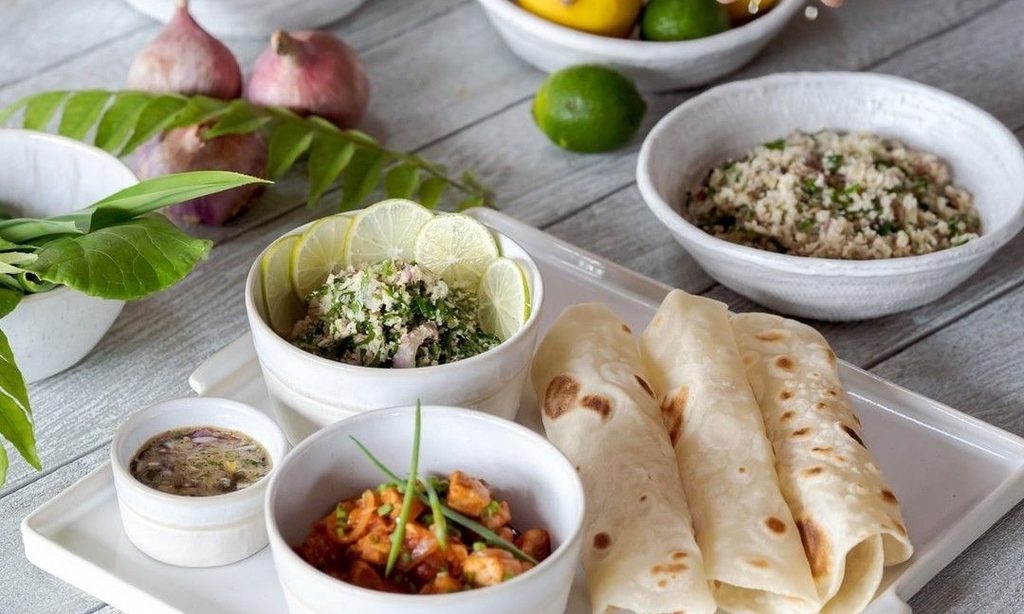
At a Maldivian breakfast station, that could mean identifying who prepares the mashuni and who cooks the roshi, with a plan for replenishment. Naming those responsibilities prevents one cook from having to leave the station to chase supplies.
The briefing with restaurant staff closes another gap. Changes to dishes, unavailable ingredients and requests recorded overnight must reach the people taking orders. Allergy requests require confirmation through the property’s procedures. A server should know whom to approach when a guest asks about an ingredient, particularly when a recipe or supplier has changed.
Preparation continues after the doors open. The team watches consumption and adjusts replenishment, bringing food forward in quantities that suit demand and the kitchen’s holding procedures. Someone needs to monitor the buffet while station cooks handle orders. Otherwise, an empty dish may be noticed only when a guest asks for it.
Breakfast ends with another handover. The team records shortages, waste and changes to demand, then passes on the condition of equipment and the status of food that can be retained under its procedures. The lunch brigade needs to know what is available and what requires attention. Tomorrow’s breakfast list should reflect what happened today.
For the cook arriving before dawn, this work has an immediate consequence: fewer minutes spent searching for ingredients or reconstructing another shift’s decisions. A completed handover gives that cook a place to begin. By the time the first order arrives, responsibility for the morning has already passed from one team to the next.