Stories behind the whites: On International Chefs Day, what it means to be a chef
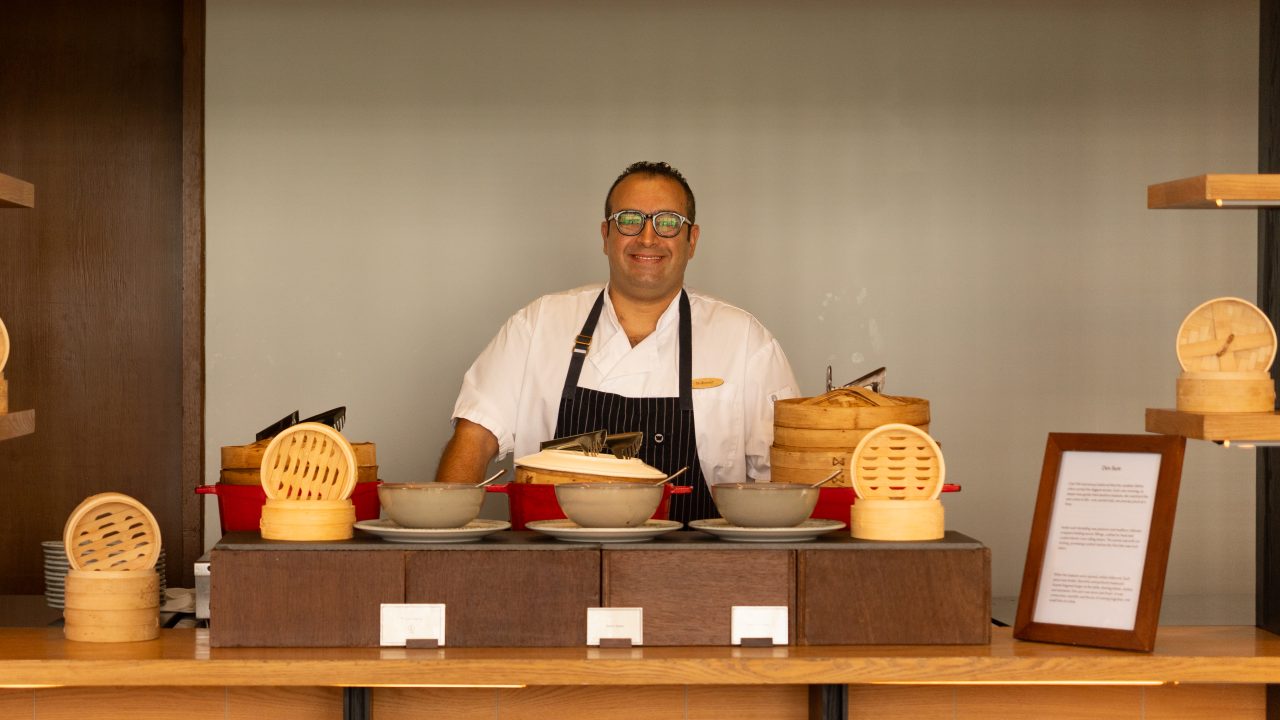
A chef may spend the evening preparing a birthday dinner while missing one at home. They might know a guest’s dietary preferences by heart, yet need a phone call to find out how their child’s school day went. Such overlaps between care, work and absence sit at the heart of a culinary career.
International Chefs Day, observed on 20 October, offers a moment to recognise the people behind these meals. In the Maldives, their stories are shaped by a working life in which the kitchen, accommodation and sea can define the boundaries of each day.
For many chefs, joining an island resort means moving away from home. Maldivians may work several atolls from their families; colleagues from overseas cross borders to take up the same responsibilities. Returning home requires leave, transport and planning. Even when the distance looks manageable on a map, finishing a shift rarely means sitting down to dinner with family.
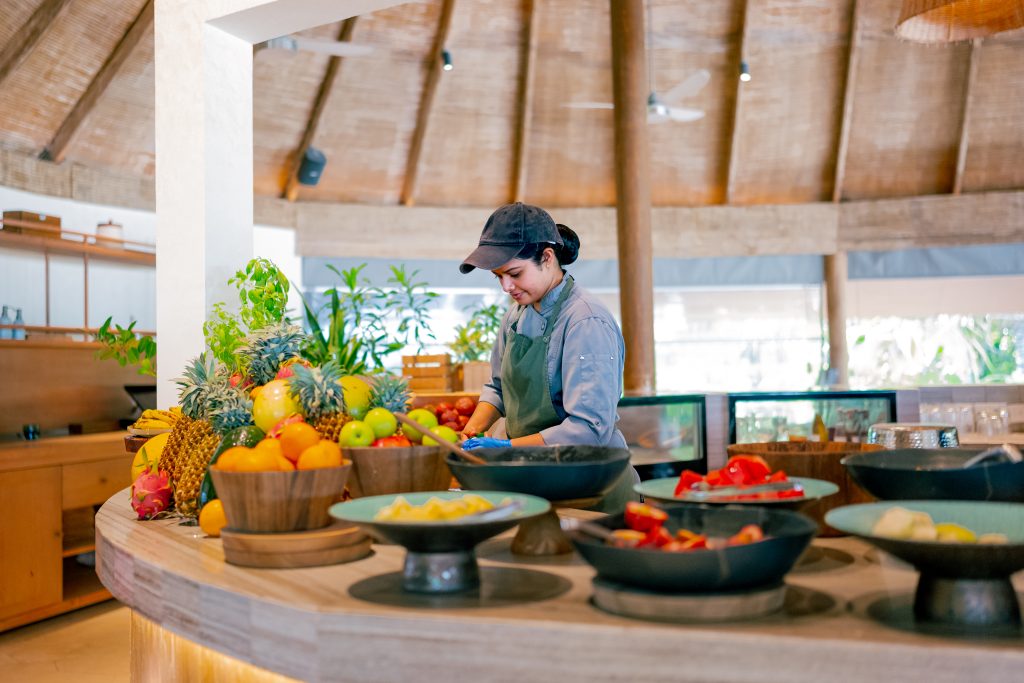
The work itself begins long before a guest reads the menu. There are deliveries to check, ingredients to prepare, stocks to monitor and stations to organise. Breakfast, lunch and dinner bring their own demands, with cleaning and preparation continuing between services. Long hours can be spent standing, tasting, lifting and repeating tasks that guests will never see.
Alongside the exertion comes the need to concentrate. A chef must remember an allergy, judge when a fish is cooked and notice when a colleague needs help. A mistake can affect someone’s meal or safety. Learning to remain composed, communicate and ask for support is as much a part of the profession as learning to cook.
The cost of that commitment can be felt at home. Asked about the challenges of kitchen work in a 2022 Hotelier Maldives interview, chef Aminath Abdul Rasheed identified “Missing big celebrations with family.” Her answer captures a tension within hospitality: helping others mark occasions while being absent from celebrations that matter to you.

A missed Eid lunch, birthday or school event can leave a gap that a video call cannot fill. Partners and relatives may carry more of the responsibilities at home. Yet the same job can help pay for a child’s education, support parents or build savings. Pride in providing and sadness at being away can exist together.
The sacrifices can change as a career progresses. An opportunity that once meant freedom may become harder to accept when a parent needs care or a child is growing up. Staying in the profession can involve revisiting what success means, and finding a way for ambition and family life to coexist.
Island life also shapes creativity. If a delivery is delayed or an ingredient is unavailable, a menu may need to change. The response calls for judgement: understanding what can be substituted, what needs rethinking and how to maintain standards with the supplies available. Creativity lives in these decisions as much as in developing a dish.
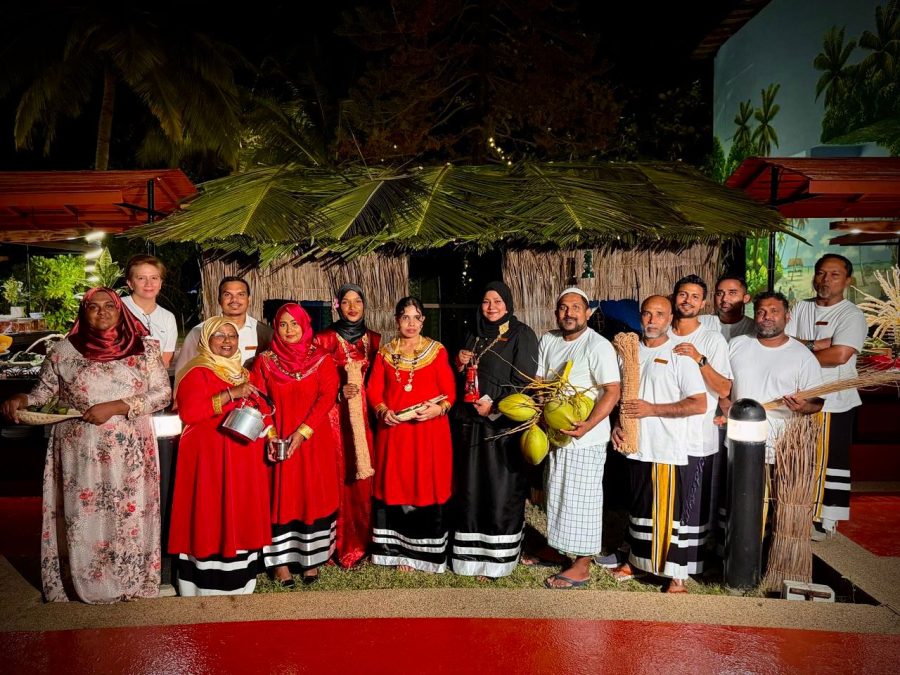
For Maldivian chefs, the kitchen can also offer a way to share something of home. Preparing garudhiya, working with coconut or explaining the use of smoked tuna gives guests an introduction to the country through food. A recipe learned from a parent or grandparent can become part of a chef’s identity, carried from a household kitchen into a profession.
Within resort teams, colleagues bring their own food traditions, languages and ways of working. Learning happens through watching, tasting and asking questions. Over time, the person at the next station may become the friend who notices a change in mood or listens after a call home. Sharing an island can create friendships that help make separation bearable.
Progress gives the work another kind of meaning. There is satisfaction in handling a station without supervision, getting a technique right after repeated attempts or seeing a dish accepted for a menu. For a chef who once struggled through their first service, teaching an apprentice can reveal how much they have learned.

The rewards can also arrive through someone else’s response: a guest asking for a recipe, a child enjoying a meal prepared around an allergy, or a returning visitor remembering a dish. These exchanges give a chef a glimpse of what their work means beyond the kitchen. Food becomes part of someone’s memory, and the person who prepared it has helped create that.
Celebrating chefs should also mean supporting the lives they lead. Rest, staffing, opportunities to learn and time with family deserve attention throughout the year. Managers help shape whether a kitchen is a place where people can speak about pressure and develop their careers. Respect includes recognising that commitment has limits and that people need space to recover.
Behind the whites is someone learning a craft, earning a living and trying to remain present for the people they love. This International Chefs Day, there is reason to celebrate the pride they take in feeding others, the knowledge they pass on and the lives they are building. Their own place at the family table matters too.