Chef Hassan Zareer on Japanese cuisine and developing Maldivian chefs
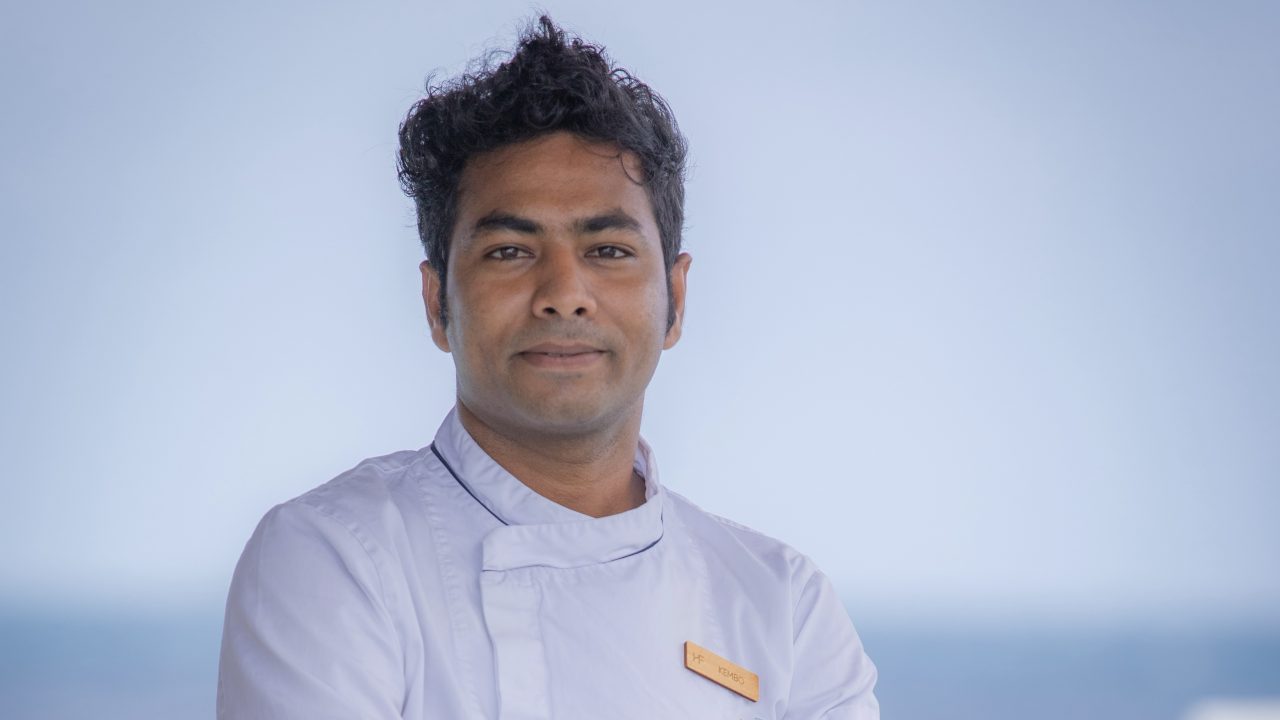
When a guest requested popcorn during a teppanyaki meal at Four Seasons Resorts Maldives, Hassan Zareer, known as Kembo, responded by preparing wasabi popcorn. It became popular enough for the resort to offer it as a complimentary item.
For Kembo, the episode remains a lesson in paying attention to the person being served. A request made during a meal had created an opportunity to give guests something they would remember.
“It’s all about building a connection with the guests,” he says of teppanyaki. Understanding their preferences, responding to requests and maintaining consistency are central to how he approaches the experience.
Kembo has been Junior Sous Chef at Gili Lankanfushi Maldives since March 2025. His career has taken him from a restaurant kitchen in Addu City through a resort apprenticeship, specialisation in Japanese cuisine and responsibilities in menu planning and team supervision. Along the way, learning from other chefs has shaped his conviction that knowledge should be passed on.
His interest in cooking began in 2010, when he visited his brother’s restaurant, Meals on Wheels, in Addu City. Watching his brother work as a chef drew him towards the profession. In 2011, he began working there as a restaurant cook and learning the basics.
An advertisement for the Four Seasons apprenticeship programme provided his route into resort kitchens. He applied and secured a place, beginning his training at Four Seasons Resort Maldives at Landaa Giraavaru in 2012.
There, he learnt that being a chef required an understanding of how a kitchen operates, the discipline to maintain standards each day and the ability to work within a team. Guidance from his seniors helped him understand those expectations. He credits mentors including Armando Kraenzlin and chef Kato Toshikazu with supporting his development.
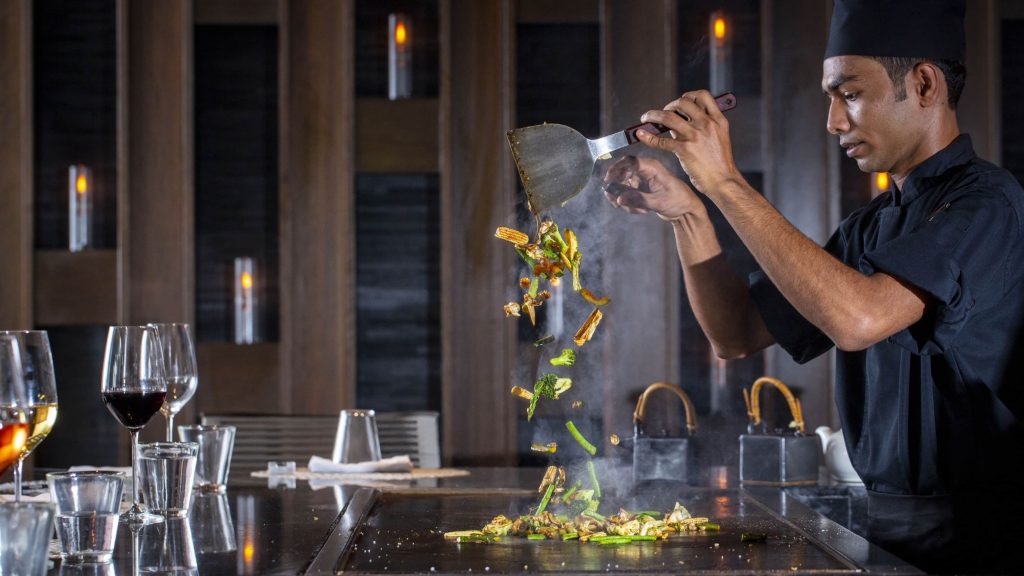
Teppanyaki gave him direct contact with diners throughout the cooking process. It required him to consider their reactions and preferences while preparing the meal. He came to see that communication could influence the experience as much as the decisions being made at the cooking station.
“The smile you bring to them and the way you interact with the guests can make a huge difference,” he says.
His study of Japanese cuisine continued through an international sushi chef course with the Tokyo Sushi Academy in 2019–2020. The training developed his understanding of handling raw food and introduced him more closely to Japanese food culture. Patience, particularly when working with raw fish, was among the lessons he carried home.
After returning to the Maldives, he shared what he had learnt with junior chefs, focusing on knife skills and handling raw fish. He says those practices were recorded in the kitchen’s cookbook, helping the team continue to use them.
Teaching also gave him an opportunity to help another Maldivian chef specialise in teppanyaki. With support from senior colleagues, he took part in training a chef who was beginning in the discipline. Developing local expertise in Japanese cuisine was a reason for undertaking that work.
“For me it was a great achievement as a trainer seeing someone develop from a beginner to a confident chef,” he says.
Annual Japanese culinary training, supported by chef Kato, gave colleagues further exposure to the cuisine and its cultural context. Kembo’s own approach to teaching is to remain patient and give younger chefs the guidance they need to progress. Having benefited from instruction himself, he sees sharing knowledge as part of his responsibility in the kitchen.
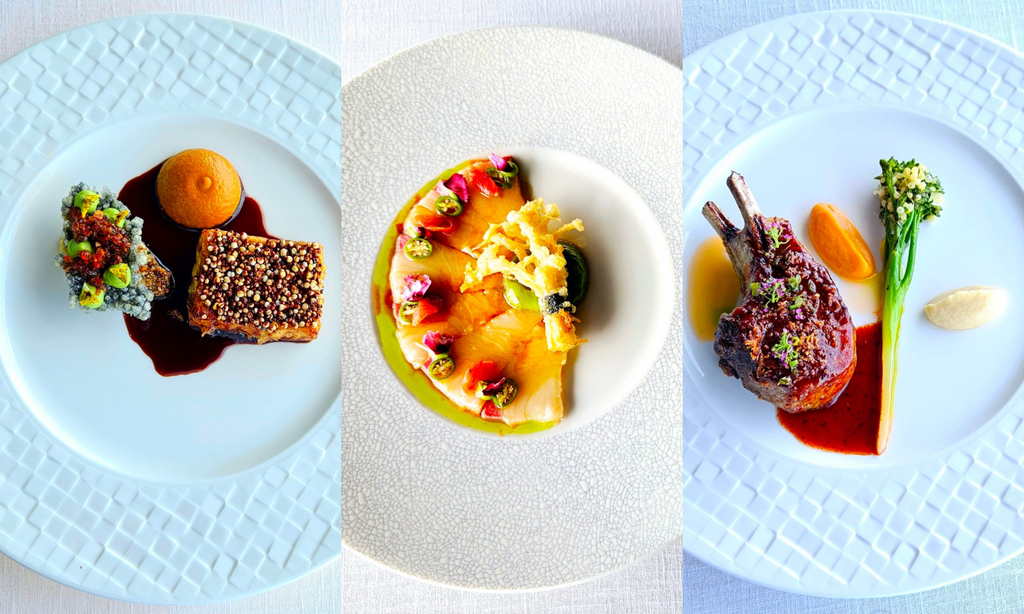
His work at Four Seasons also involved exploring how Maldivian food could be presented to resort guests. He helped develop a set menu called Malafaiy, bringing together dishes that introduced diners to the country’s food traditions.
The team sought to preserve the character of the dishes while considering how guests would encounter them. For Kembo, the menu offered a way to keep those traditions in use and pass them to subsequent generations. That experience continues to inform his ambition to combine Japanese techniques with Maldivian flavours.
Ingredient selection brings those ideas into contact with the demands of service. Kembo favours local fruit and vegetables, considering availability throughout the year and shelf life. He also values being able to draw on produce from a resort garden. Among the seafood dishes he enjoys preparing is Maldivian lobster with ponzu butter.
His approach to reducing waste is similarly rooted in kitchen routines. Potato peelings, for example, can become bar snacks. Preparation quantities are planned around the number of guests the kitchen expects to serve.
“We consider the resort’s occupancy and expected guest numbers when planning food preparation, which helps us control portions, manage inventory more efficiently, and avoid unnecessary waste,” he says.
Matching mise en place to expected demand helps the team avoid preparing more than it needs. For him, controlling waste starts with the decisions chefs make before service, from checking stock to determining portions.
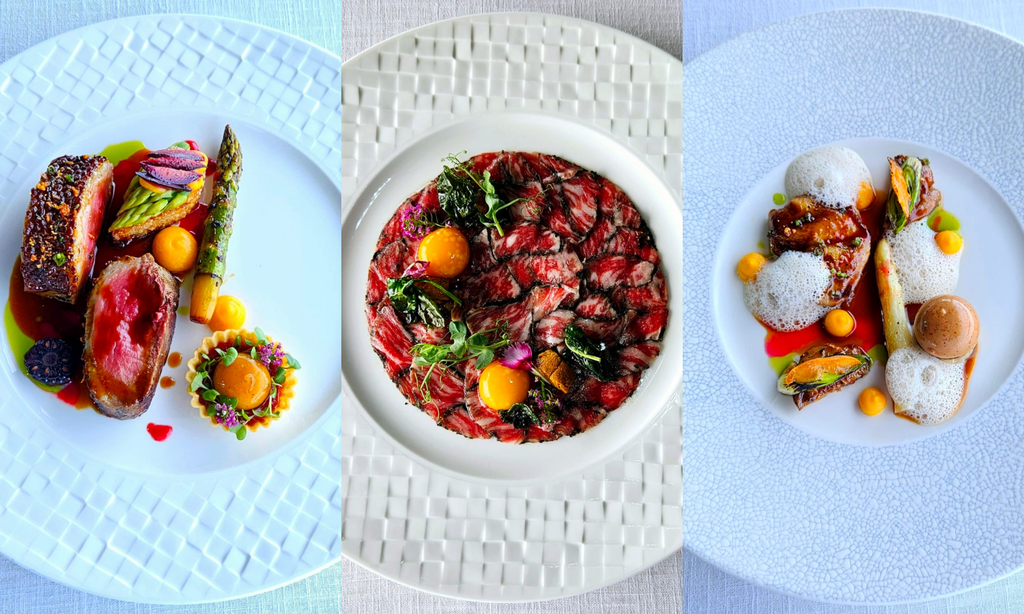
A move to Huvafen Fushi Maldives in 2024 brought further responsibilities. Joining as Junior Sous Chef in its fine dining restaurant, he became involved in menu planning within six months and worked alongside chefs of different nationalities. He also acknowledges the support he has received from Ishara Liyanage, Head Chef of the Japanese restaurant at Huvafenfushi.
“I was the only Maldivian chef in that team, which was a bit challenging for me, but it gave me the opportunity to represent my country’s culinary talent,” he says.
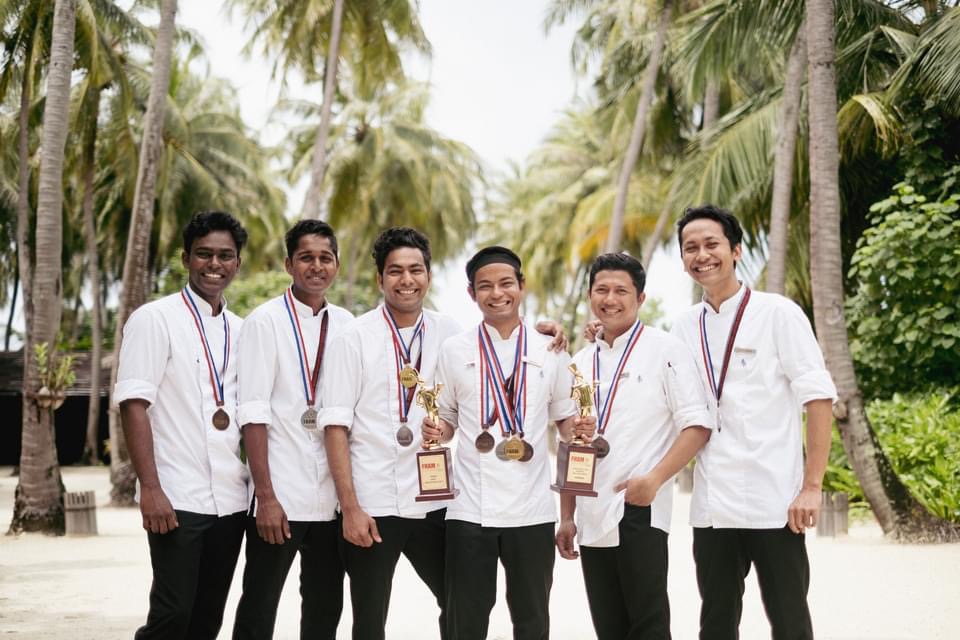
During his first months there, he also participated in the Hotel Asia culinary challenge. Although he had entered the competition before, preparing with colleagues at a new workplace required the team to learn how to work together. He recalls their results including several gold medals and a Best Pastry Chef award among the team’s achievements.
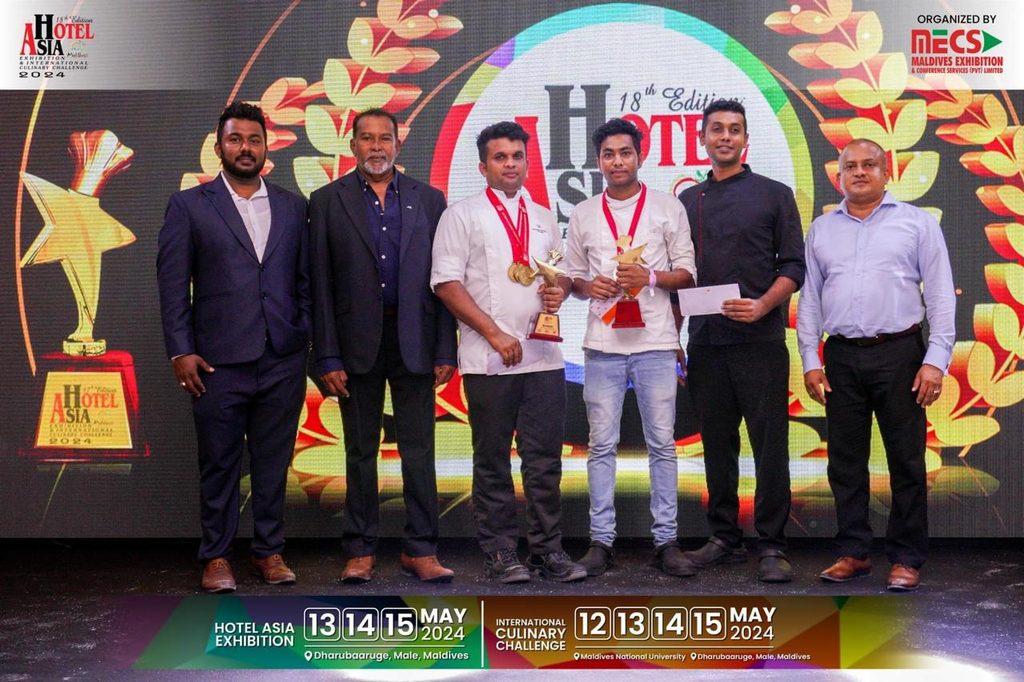
The experience reinforced his belief in communication and training. As his responsibilities expanded, he learnt to pay attention to how colleagues prepared for service and how information was shared. He considers a kitchen’s performance to depend on people learning from and respecting one another.
“One of the important lessons that I have learnt so far is to always share your knowledge and skills with the junior chefs,” he says.
His next ambition is to become a speciality chef de cuisine in the Maldives. He wants to develop a menu that combines Japanese culinary techniques with Maldivian flavours, drawing on both his training and his work with local dishes.
“My ambition is to keep learning to grow leadership skills and to make a contribution to the Maldivian culinary industry,” he says.
For other Maldivian chefs to develop specialisms, he believes access to international training, mentorship and chef exchanges needs to grow. He also wants them to gain experience in speciality restaurants and take part in menu development, competitions and leadership training.
“It is also about opening doors for Maldivian chefs, sharing knowledge that has been gained and helping the next generation develop skills,” he says.
Four Seasons Resorts Maldives Gastronomy Gili Lankanfushi Interview Maldivian Chef Profile