Reethi Faru Resort brings Halloween to the table with themed buffet and seasonal cocktails
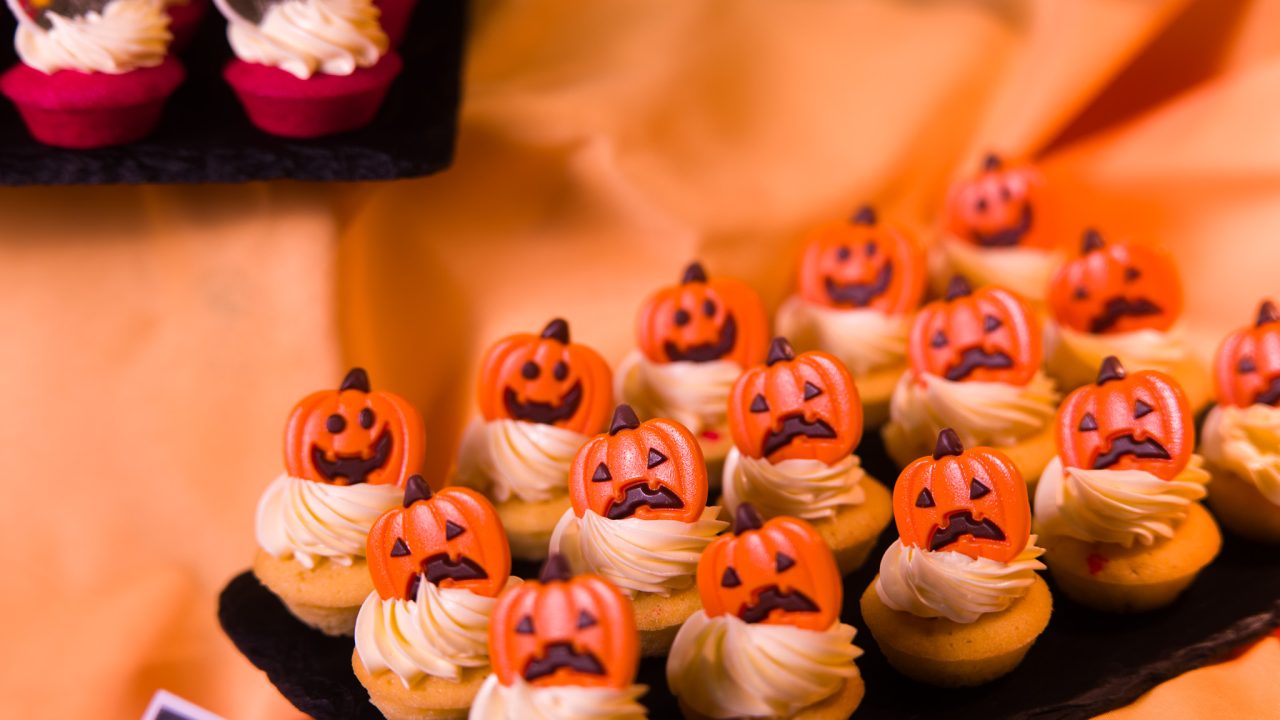
Reethi Faru Resort will mark Halloween on 31 October with a themed culinary programme bringing together international and local flavours, seasonal buffet presentation and specially created cocktails as part of an island-wide evening of costumes, music and family activities.
The resort’s culinary team will prepare a dedicated Halloween buffet, while the beverage team will extend the theme into the bar through a selection of Halloween cocktails.
For chefs, pastry professionals and bartenders, the event presents an opportunity to translate the visual language of Halloween into food and beverage while working within the contrasting setting of a tropical Maldives island.
Rather than treating Halloween solely as an entertainment occasion, Reethi Faru is incorporating cuisine as one of the main components of the celebration.
Turning Halloween into a buffet concept
The Halloween buffet will combine international and local flavours while using seasonal presentation to connect the food with the wider theme.
For a resort kitchen, themed buffets offer a different creative challenge from everyday all-day dining.
The menu must first work as food. Dishes need to remain balanced, suitable for the resort’s international guest mix and practical for service over an extended period.
The visual treatment can then reinforce the theme through presentation, naming, garnishes, centrepieces and station design.
For Halloween, chefs have a particularly broad visual vocabulary available to them, from autumnal tones and pumpkins to darker colours and playful interpretations associated with the occasion.
The challenge is to create a sense of theatre without allowing novelty to compromise the quality of the food.
A successful themed buffet can therefore use Halloween as a framing device rather than turning every item into a literal representation of the celebration.
At Reethi Faru, the resort said the buffet will bring a “creative seasonal twist” to its selection of local and international dishes.
That approach gives the culinary team flexibility to work across several cuisines while maintaining a common presentation style throughout the evening.
Local flavours within an international celebration
The inclusion of Maldivian flavours is particularly relevant in a Halloween programme.
Halloween is not traditionally part of Maldivian culture, yet resort celebrations provide an opportunity to interpret international occasions within the setting of the destination.
For chefs, that can mean introducing local ingredients or dishes alongside foods familiar to international guests.
Maldivian cuisine is built strongly around seafood, particularly tuna, together with coconut, chilli, lime, onion and spice.
These ingredients can sit naturally within a large buffet and allow guests to encounter the culinary identity of the Maldives even during a celebration imported from another cultural context.
The result does not need to be a fully Maldivian menu.
Instead, local dishes can become part of a broader international spread, giving the resort’s chefs an opportunity to retain a sense of place while meeting guest expectations around Halloween dining.
That balance has become increasingly important in resort kitchens, where culinary teams routinely work across global cuisines but are also expected to connect guests with the destination.
The operational challenge of themed buffets
Behind the creative presentation, buffet service requires detailed planning.
Unlike plated dining, where chefs have greater control over when each dish leaves the kitchen, buffet food needs to remain consistent across a longer service period.
Temperature, texture and appearance all need to be monitored throughout the evening.
Hot dishes may need to be produced in smaller batches and replenished regularly rather than held for extended periods. Cold preparations must remain properly chilled, while garnishes and decorative components need to retain their appearance despite the tropical climate.
In a Halloween setting, chefs may also introduce more elaborate presentation than they would during routine service.
That places additional pressure on mise en place.
Decorative components often require separate preparation schedules, particularly if pastry, chocolate or carved elements are involved.
Thematic presentation can therefore affect the workload across several sections of the brigade, not just the chefs producing savoury dishes.
Pastry and Halloween creativity
Although the resort has not detailed its dessert line-up, Halloween is an occasion particularly suited to creative pastry work.
Pastry chefs can use colour, chocolate, sugar, sponge, biscuits and plated elements to interpret the theme in ways that remain recognisable while allowing room for technical expression.
The Maldives climate, however, brings specific challenges.
Chocolate decorations and delicate sugar work can be affected by heat and humidity, particularly if desserts are displayed outdoors or close to open restaurant areas.
Pastry teams therefore need to consider stability alongside appearance.
Desserts also need to remain practical for buffet service.
Highly delicate plated components may be better suited to individual service, while cakes, verrines, tartlets, petit fours or portioned desserts can offer greater consistency during a large event.
For family-focused celebrations, pastry can also contribute to the playful character of Halloween without relying heavily on artificial decoration.
Natural colour, fruit, chocolate and shaped baked items can be used to create a festive presentation while still maintaining flavour as the priority.
Halloween moves from kitchen to bar
Reethi Faru’s beverage team will carry the theme beyond the buffet through specially prepared Halloween cocktails.
For bartenders, seasonal cocktail menus offer many of the same creative opportunities available to chefs.
Colour, aroma, garnish, glassware and presentation can all be used to communicate the theme before the guest even tastes the drink.
The strongest themed cocktails, however, still require a clear flavour structure.
Sweetness, acidity, alcohol, dilution and temperature need to remain balanced regardless of the visual concept.
Halloween drinks can easily become overly sweet if presentation is prioritised over flavour, so bartenders need to build cocktails with the same discipline applied to a standard signature menu.
Tropical ingredients available in the Maldives provide useful possibilities.
Citrus, coconut, tropical fruits, spices and herbs can all contribute to seasonal cocktails while maintaining a connection to the destination.
The bar team can also use infusions, syrups, foams or garnishes to develop the visual character of the drinks.
For service teams, preparation will be critical.
Halloween parties can generate concentrated demand during a relatively short period, particularly once music and entertainment begin.
Batching selected components in advance can help improve consistency and service speed, while garnishes, glassware and ice need to be organised before peak periods.
Food as part of the entertainment
Reethi Faru’s Halloween celebration will move from afternoon family activities into an evening costume party with DJ music and dancing.
This gives food and beverage a dual role.
The buffet must operate as a complete dining experience, but it also needs to support a programme in which guests may move between eating, entertainment and socialising.
Menu planning therefore needs to take the rhythm of the evening into account.
Heavy dishes served too early can affect how guests engage with later activities, while lighter items, live stations or small portions may allow diners to experience a broader range of the menu.
Bar service similarly needs to respond to changing demand as the evening progresses from dinner into the party.
For chefs and F&B managers, understanding the wider event schedule is therefore as important as planning individual dishes.
Family dining and younger guests
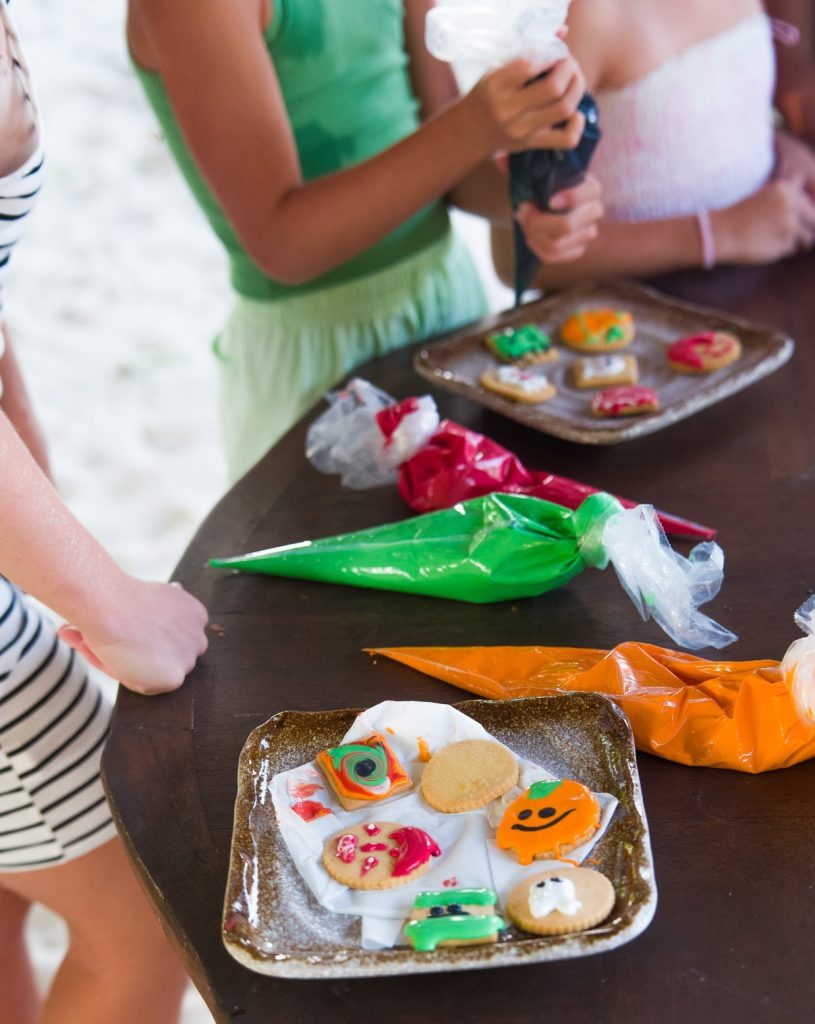
The celebration will begin with an afternoon programme for children featuring face painting, themed games and creative activities.
Although the press release does not outline a separate children’s menu, family attendance can influence the culinary operation.
Buffets serving families need to provide variety across different tastes and spice tolerances.
For younger guests, simpler preparations can sit alongside more adventurous dishes without forcing the entire menu towards one audience.
Presentation can also help encourage engagement.
Halloween gives chefs an opportunity to make food visually playful, particularly in bakery and dessert sections, while maintaining ingredients and flavours appropriate for younger diners.
Food allergies and dietary requirements remain another important consideration during family-oriented events.
Clear labelling and communication between kitchen and service teams are especially important when buffets bring together a large number of dishes.
A tropical interpretation of Halloween
The setting gives Reethi Faru’s celebration a character different from Halloween events in urban or cooler-climate destinations.
Instead of autumn weather and enclosed venues, the resort is working with warm evenings, the ocean and a tropical island landscape.
That changes how the culinary team can interpret the occasion.
Rather than copying a traditional Halloween aesthetic directly, food and beverage can draw on the colours, ingredients and atmosphere of the Maldives.
A tropical fruit preparation, island-inspired cocktail or seafood dish can still sit within a Halloween event when the presentation and wider experience connect it to the theme.
This approach can make the celebration feel more closely linked to the destination.
For chefs, it is also a reminder that themed dining does not require abandoning the identity of the property.
The strongest programmes can combine an international occasion with ingredients and techniques relevant to the place in which it is being celebrated.
Collaboration across culinary and beverage teams
Halloween at Reethi Faru will require coordination across several departments.
The kitchen will manage buffet production and themed presentation.
Pastry and bakery teams may contribute desserts and decorative elements.
Bartenders will develop seasonal cocktails.
Front-of-house teams will manage service around the entertainment programme, while events and recreation teams coordinate the wider celebration.
For food and beverage professionals, this cross-department collaboration is what allows a themed occasion to feel coherent.
If the food, cocktails, music and visual presentation are developed independently, the event can feel fragmented.
When teams work from a shared concept, each element can reinforce the others.
That is particularly important for one-night events, where there is little room to adjust once guests arrive.
A platform for culinary creativity
For the resort’s culinary team, Halloween also provides a chance to step outside the structure of everyday restaurant service.
Themed occasions allow chefs to experiment with presentation, buffet design and guest interaction while continuing to work within professional standards of flavour, consistency and food safety.
They can also offer junior cooks and pastry chefs an opportunity to contribute ideas.
Because Halloween encourages visual creativity, different sections of the brigade can participate in shaping the overall experience rather than simply following a standard menu cycle.
For bartenders, the same applies to cocktail development.
A seasonal event creates space to test combinations and presentation styles that may not otherwise appear on the regular drinks list.
At Reethi Faru Resort, the 31 October programme will use that creative freedom to bring together themed cuisine, cocktails and entertainment within the setting of a Maldivian island.
For guests, the result will be a tropical interpretation of Halloween.
For the resort’s chefs, pastry professionals and bartenders, it will be an opportunity to show how a familiar celebration can be translated through food, drink and the culinary character of the Maldives.