Pullman Maldives Maamutaa sets festive table with seafood feasts, beach grills and gala dining
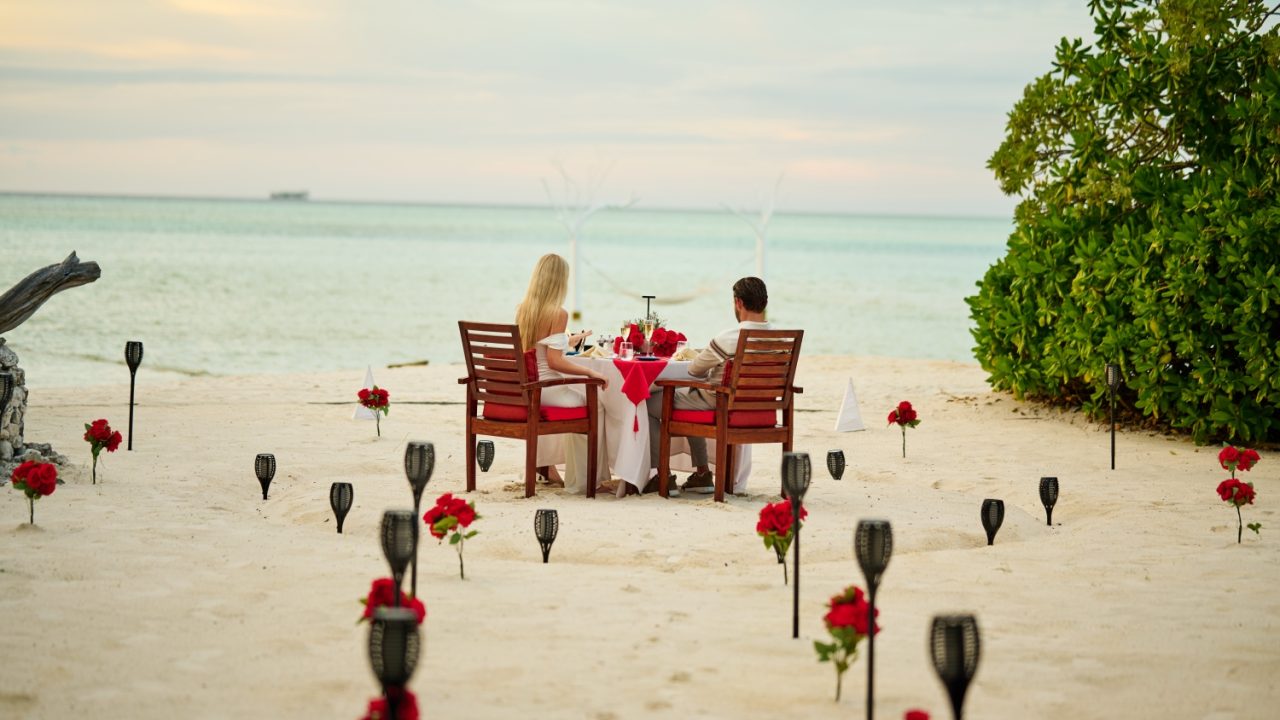
Pullman Maldives Maamutaa will place seafood, beachfront cooking, festive buffets and extended brunches at the centre of its Christmas and New Year programme, as the resort prepares to transform into a “Maldivian Ocean Fantasy” from 22 December 2026 to 6 January 2027.
The festive programme will span Christmas, New Year and Russian Orthodox Christmas, combining food and beverage experiences with entertainment, family activities and wellness across the island.
For the resort’s chefs, pastry professionals, bartenders and service teams, the programme involves a range of culinary formats, from seafood feasts and beachside grills to Christmas and New Year gala dinners, sunset cocktails, festive bites and breakfast-to-brunch services running well into the afternoon.
The food programme will begin during Christmas week, when seafood feasts and beachside grill nights introduce a strong ocean and outdoor dining element to the celebrations.
Seafood at the centre of the festive menu
Seafood is one of the principal culinary themes announced for the festive period.
For chefs operating in the Maldives, seafood offers a natural link between the menu and the surrounding destination, but large festive services also require careful consideration of handling, temperature and cooking technique.
Fish and shellfish respond quickly to heat, making precise cooking particularly important during high-volume events. Different products also require different approaches: whole fish can tolerate techniques that may not suit delicate fillets, while prawns, lobster and other shellfish can move rapidly from correctly cooked to overdone.
For festive buffets, chefs must also decide which seafood preparations can be produced ahead and which should be cooked closer to service.
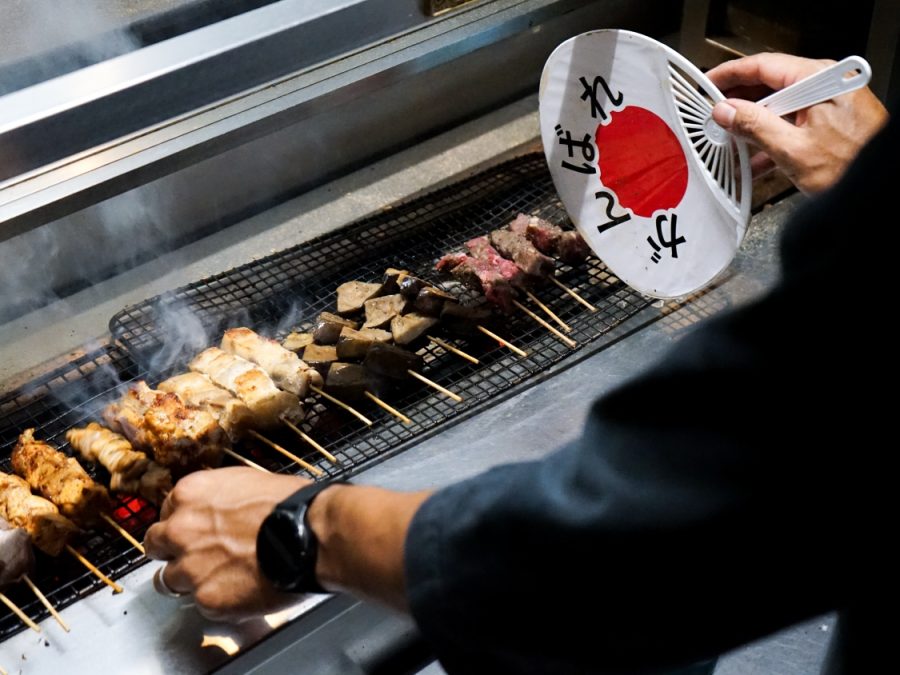
Live grills provide one solution, allowing products to be cooked in smaller batches while giving guests direct interaction with the culinary team.
Outdoor grilling also creates opportunities to use relatively straightforward preparations in which the quality of the main ingredient remains visible. Citrus, chilli, herbs, spices and light marinades can build flavour without overwhelming seafood.
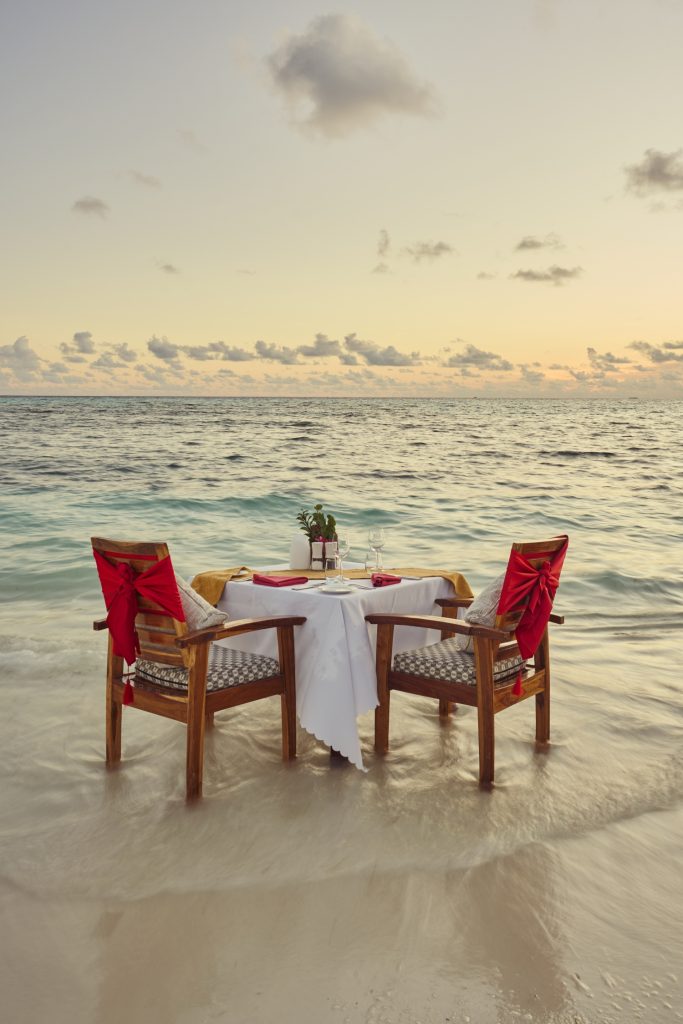
At Pullman Maldives Maamutaa, the beachside setting makes this relationship between ocean and plate particularly direct.
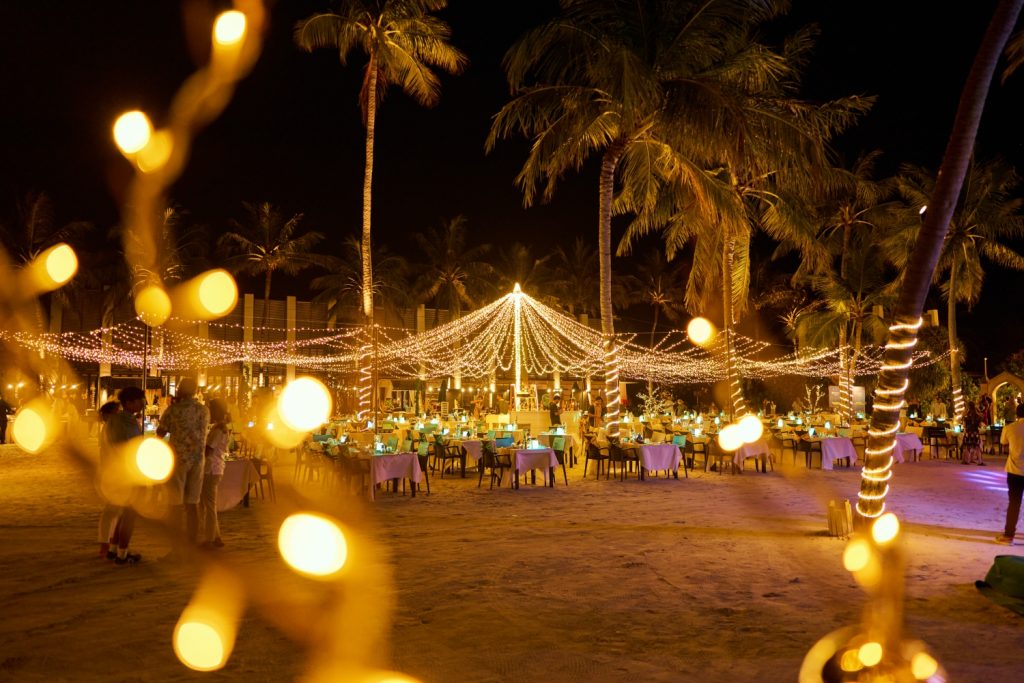
Beach grills bring chefs into the guest experience
Beachside grill nights will be another recurring element of the festive calendar.
Although grilling appears informal from a guest perspective, delivering a high-volume outdoor service requires detailed preparation behind the scenes.
Chefs need to manage fuel or heat sources, protein preparation, sauces, garnishes and side dishes while maintaining food-safety standards outside the controlled environment of the main kitchen.
The Maldives climate adds further considerations.
Raw seafood and meat need strict temperature control before cooking, while prepared dishes must not remain exposed to tropical heat for extended periods.
Wind can influence open-flame cooking and presentation, and humidity can affect breads, crisp garnishes and some pastry components.
For the kitchen brigade, mise en place therefore becomes particularly important. Proteins need to be portioned, sauces organised and accompaniments prepared before guests arrive so that chefs working the grill can concentrate on cooking accurately and maintaining the flow of service.
Beach grills also place chefs in a more visible role.
Guests can see and hear the cooking process, smell ingredients as they meet the heat and often speak directly with the people preparing their meal.
That interaction turns the cooking station into part of the entertainment rather than simply a method of production.
Christmas Eve on Mélange Beach
One of the major culinary events will take place on Christmas Eve, when Mélange Beach becomes the setting for “Tropical Yuletide Bliss”.
Guests will begin with a sunset gathering at Water Sports before moving to an extensive festive buffet at Mélange Beach.
For the culinary team, Christmas Eve is likely to represent one of the most demanding production days of the programme.
Large festive buffets typically require work across multiple kitchen sections. Hot kitchen, garde manger, pastry, bakery, stewarding and service teams must operate according to the same production and replenishment schedule.
Menus also need to provide sufficient range for an international guest profile.
Some diners will expect traditional Christmas dishes, while others may prefer seafood, Asian preparations, salads or lighter food suited to the tropical climate.
The task for chefs is therefore to create variety without allowing the buffet to feel disconnected.
A clear festive theme, coherent station design and disciplined menu planning can help turn a large selection into a single dining experience.
Production also needs to be structured around quality throughout the service.
Rather than producing everything in full before guests arrive, many dishes benefit from batch cooking and regular replenishment. This helps preserve temperature, texture and appearance while reducing the time food spends on display.
Pastry’s role in the Christmas buffet
Festive buffets place particular demands on pastry and bakery teams.
Alongside their normal daily production, pastry chefs may be responsible for Christmas desserts, cakes, chocolates, breads, petits fours and decorative elements for gala displays.
The visual expectations around Christmas can make the pastry section one of the main contributors to the overall appearance of a festive buffet.
In the Maldives, however, the environment needs to influence design.
Chocolate, sugar and delicate decorative work can respond badly to heat and humidity, especially in beachfront settings. Pastry chefs therefore have to consider structural stability as carefully as appearance.
Desserts intended for outdoor service need to remain attractive for the duration of the event, while chilled products must be held safely despite the tropical conditions.
The “Maldivian Ocean Fantasy” concept also gives pastry teams room to move beyond conventional winter imagery and build visual references around the sea, tropical colours and island elements.
That can help the dessert programme feel connected to the destination rather than simply reproducing a Christmas display designed for a different climate.
Christmas Day moves from breakfast into brunch
Christmas Day will feature Pullman’s extended breakfast-to-brunch format.
Rather than ending breakfast before beginning a completely separate lunch service, the experience will allow guests to continue dining into the afternoon.
For chefs, an extended brunch presents a different operational model from a normal meal period.
Breakfast staples need to remain available while lunch-oriented dishes are gradually introduced, requiring careful management of both production and buffet space.
Egg cookery, bakery and breakfast items may operate alongside salads, seafood, hot dishes, desserts and live stations.
The menu therefore needs to make sense at different points in the service.
A guest arriving in the morning may expect a conventional breakfast, while someone dining closer to midday may be looking for a more substantial meal.
For kitchen managers, staffing and mise en place become critical because the service lasts longer than a conventional breakfast but still needs to maintain freshness.
Bakery teams may need several rounds of production, while hot dishes need to be refreshed as the menu transitions towards lunch.
The relaxed format may feel effortless for guests, but operationally it requires a carefully planned progression.
New Year builds towards the Grand Gala
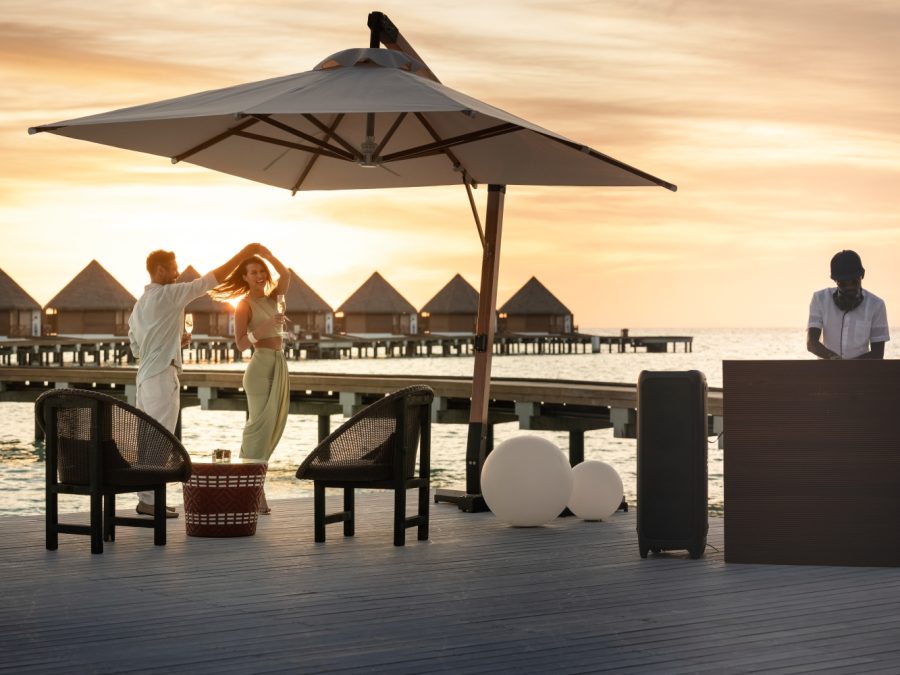
As the programme moves towards New Year, food and beverage will continue through sunset events featuring cocktails and festive bites at Water Sports Beach.
These smaller-format events serve an important function in a festive programme.
They create a transition between daytime activities and evening dining, while allowing the beverage team to establish a distinct pre-dinner atmosphere.
For bartenders, sunset service in a tropical environment requires significant advance preparation.
Fresh juices, syrups, garnishes, glassware and ice all need to be ready before demand peaks. Selected cocktail components can be batched in advance to improve speed and consistency, although dilution and finishing still need to be controlled at the point of service.
Festive bites similarly need to be suitable for a standing or social environment.
Portion size becomes important: food needs to be substantial enough to accompany cocktails but light enough not to compete with dinner later in the evening.
The strongest bites are generally those that can be eaten easily while maintaining the standards of flavour and presentation expected from the resort’s main culinary operation.
Grand Gala Dinner closes 2026
New Year’s Eve will begin with cocktails overlooking the Indian Ocean before guests move to Mélange Beach for the Grand Gala Dinner.
The evening will combine food with live performance, entertainment and fireworks before the countdown to 2027.
For the kitchen, this is likely to be the largest operational undertaking of the festive calendar.
New Year galas require weeks of planning around purchasing, menu development, staffing, preparation schedules and service logistics.
Island procurement adds another challenge.
Imported ingredients need to be ordered sufficiently early to account for transport and supply schedules, while seafood and fresh produce need to arrive within windows that protect quality.
Once ingredients are on the island, storage capacity and production planning become equally important.
Kitchen teams need enough stock for a major event without compromising the daily operation of the resort’s restaurants.
On the night itself, timing must also align with entertainment.
Chefs cannot work in isolation from the event programme. Performances, speeches and the midnight countdown influence guest movement and therefore the rhythm of buffet and beverage service.
Close communication between culinary, front-of-house and entertainment teams is essential.
New Year’s Day repeats the brunch challenge
After the late-night gala, the culinary operation will move quickly into another breakfast-to-brunch service on New Year’s Day, continuing until 2.30pm.
The turnaround from New Year’s Eve into 1 January is one of the more challenging transitions in resort food and beverage.
Some teams may finish gala production and breakdown in the early hours while breakfast preparation is already beginning.
This makes staffing and shift planning particularly important.
The guest experience should feel relaxed, but the kitchen needs enough rested team members to maintain food quality throughout a long brunch service.
New Year’s Day menus also need to respond to a different appetite profile.
Guests may arrive later than usual, and many will be looking for lighter or restorative dishes alongside more celebratory options.
Fresh fruit, bakery, eggs, salads, seafood and comforting hot food can all play a role in creating a balanced spread that bridges breakfast and lunch.
Festive bites and the importance of small-format food
The programme’s reference to festive bites highlights another aspect of resort culinary operations that can easily be overlooked.
Small-format food requires just as much consideration as large dishes.
Canapés and bites need to provide enough flavour within one or two mouthfuls, while remaining practical to transport and serve.
Texture is particularly important.
If a canapé depends on crispness, it needs to be assembled close enough to service to avoid becoming soft. Cold items must maintain safe temperature, while warm bites need to reach guests before losing their intended texture.
For high-volume cocktail events, chefs also need to consider how rapidly items can be replenished and whether guests can eat them without cutlery.
This is where menu engineering becomes closely tied to service logistics.
Food and beverage across cultural celebrations
The festive season at Pullman Maldives Maamutaa will extend through Russian Orthodox Christmas on 6 January.
For the culinary team, this means the seasonal workload does not end after New Year.
Many Maldives resorts host guests from diverse markets, and festive programming increasingly stretches from late December into the first week of January to reflect different cultural calendars.
That requires menus, staffing and purchasing plans to cover a longer period.
It also creates opportunities for culinary teams to present different festive traditions through food, particularly where dishes associated with particular cultures can be introduced with appropriate context.
A multi-week programme therefore requires careful menu rotation.
Repeating the same dishes too frequently can reduce the sense of occasion for guests staying through several celebrations, while constantly changing menus can place excessive pressure on the kitchen.
The solution is often to retain a clear overall culinary identity while changing individual dishes, themes and formats between major events.
The ocean as a culinary theme
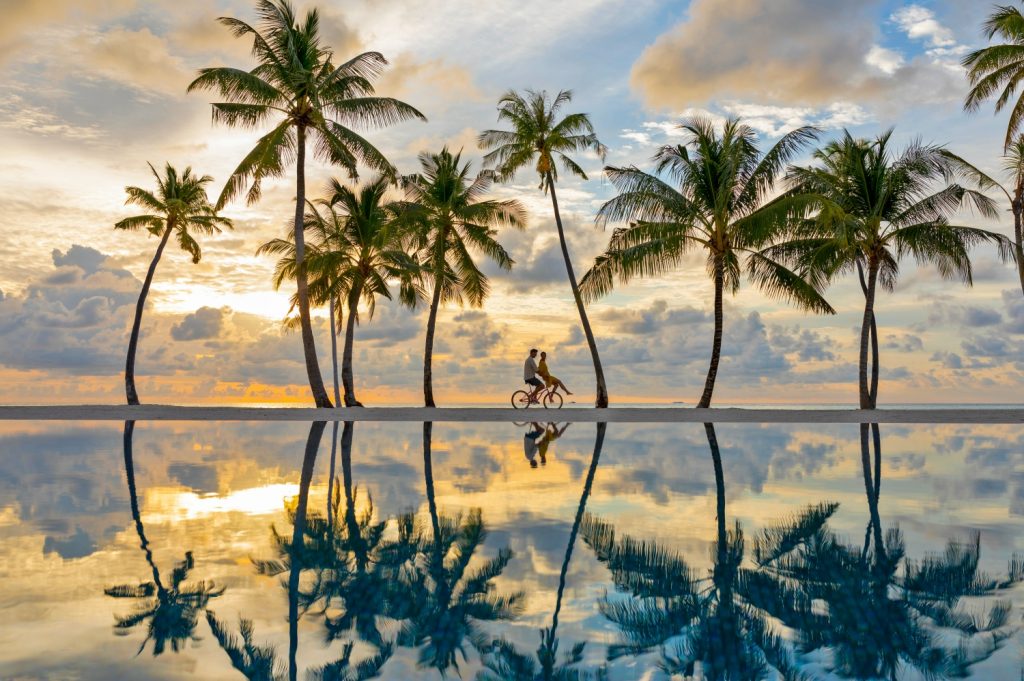
“Maldivian Ocean Fantasy” gives Pullman Maldives Maamutaa a strong visual and experiential concept, but it also offers a clear culinary connection.
The surrounding ocean can influence menus through seafood, dining locations and presentation without requiring every dish to be interpreted literally.
For chefs, a destination-led approach works best when the relationship with place is genuine.
Fresh seafood, tropical ingredients, beachfront grilling and light preparations naturally fit the environment.
Equally, global festive dishes can remain part of the programme because the resort serves an international audience.
The objective is balance.
A Christmas or New Year dinner should still feel recognisable as a festive occasion, but it should also feel different from the same event served in a hotel thousands of kilometres away.
Culinary teams behind the fantasy
The press release presents the season as an immersive celebration of food, entertainment, wellness and island life.
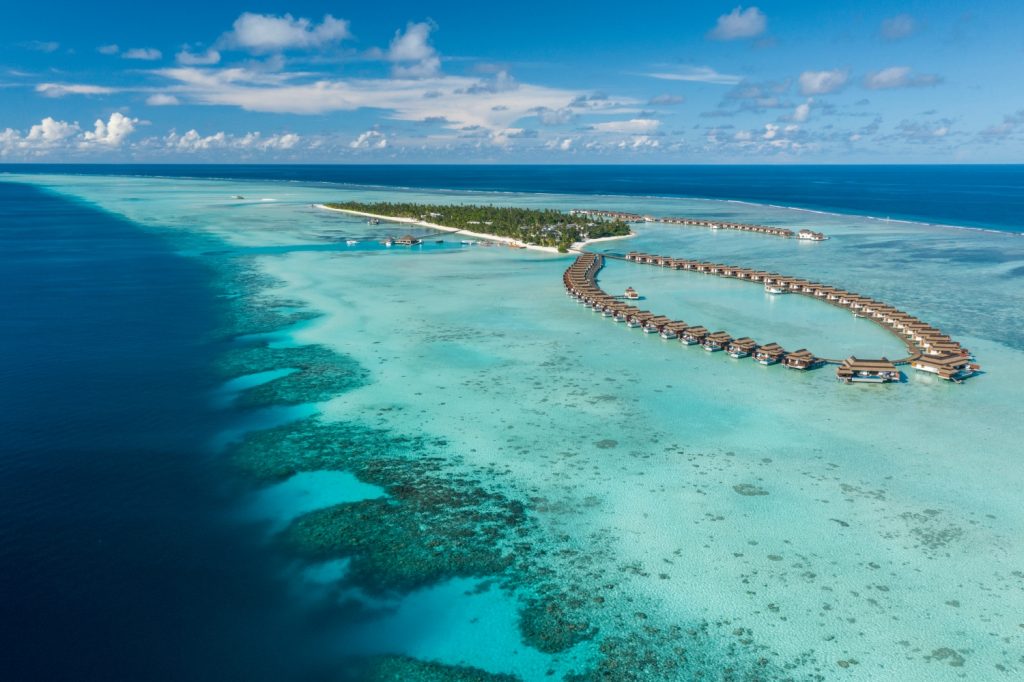
Behind that guest-facing programme will be a considerable food and beverage operation.
Chefs will move between seafood dinners, beach grills, high-volume gala buffets and extended brunches.
Pastry teams will support Christmas and New Year production while managing the technical challenges of tropical outdoor service.
Bartenders will handle sunset cocktails, gala receptions and celebratory drinks.
Stewarding, purchasing, stores and service teams will support each event while normal resort operations continue.
For culinary professionals, this is one of the defining realities of the Maldives festive season.
The headline gala may last only one evening, but its successful execution is the result of procurement, preparation and coordination extending over days or weeks.
The programme at Pullman Maldives Maamutaa demonstrates the diversity expected from modern resort F&B teams, which now routinely move between restaurant service, destination dining, themed events, live cooking and extended brunch concepts within the same season.
From seafood feasts and Christmas beach grills to the Grand Gala Dinner and New Year’s Day brunch, food will be one of the principal ways in which the resort translates its “Maldivian Ocean Fantasy” into an experience guests can taste.
For chefs, pastry professionals and bartenders behind the programme, the challenge will be to make each of those formats distinct while maintaining consistency across more than two weeks of celebrations.