Jing redesign and 22,500-bottle wine cellar lead Constance Halaveli culinary renewal
Constance Halaveli Maldives has placed gastronomy and wine at the centre of its latest resort transformation, unveiling a redesigned Jing restaurant and bar while continuing to develop destination dining, visiting-chef collaborations and wine-led experiences around a cellar holding more than 22,500 bottles.
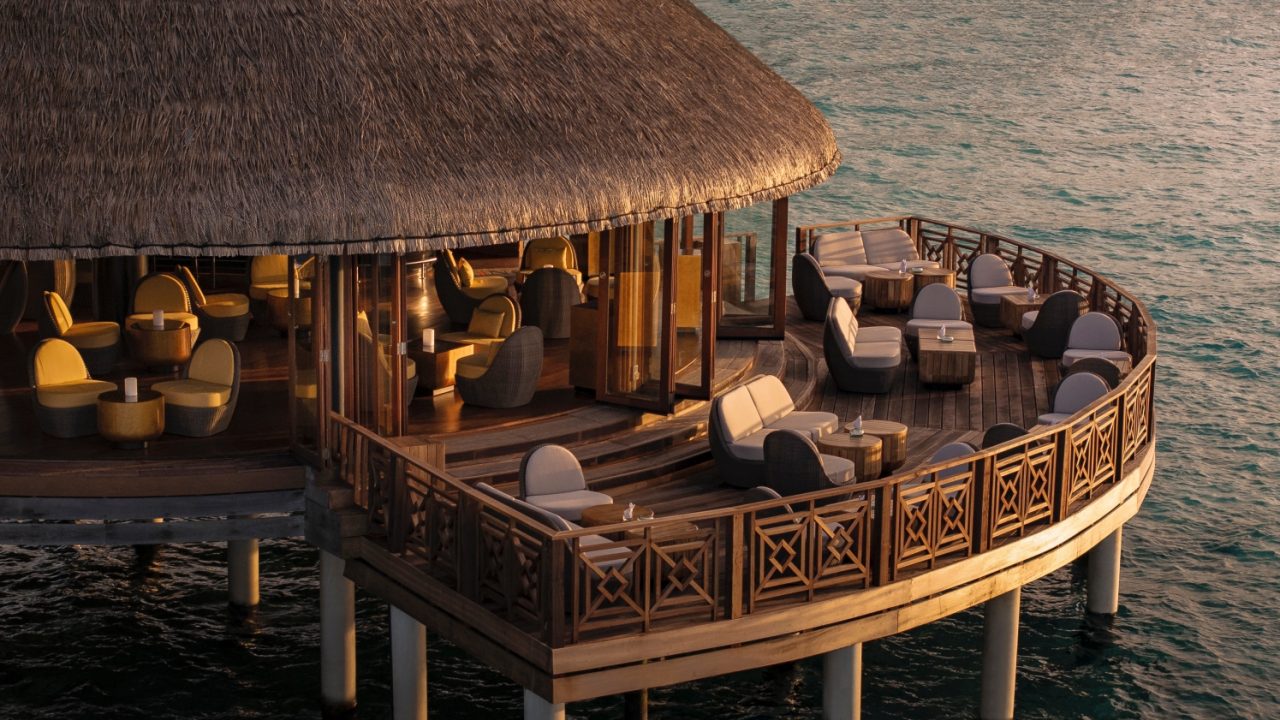
The private-island resort in North Ari Atoll has completed a wider refresh spanning villas, guest facilities, beach and pool areas, wellness and dining. For culinary and food and beverage professionals, one of the most significant elements is the evolution of Jing, the resort’s overwater restaurant, where Asian influences and European techniques form the basis of the menu.
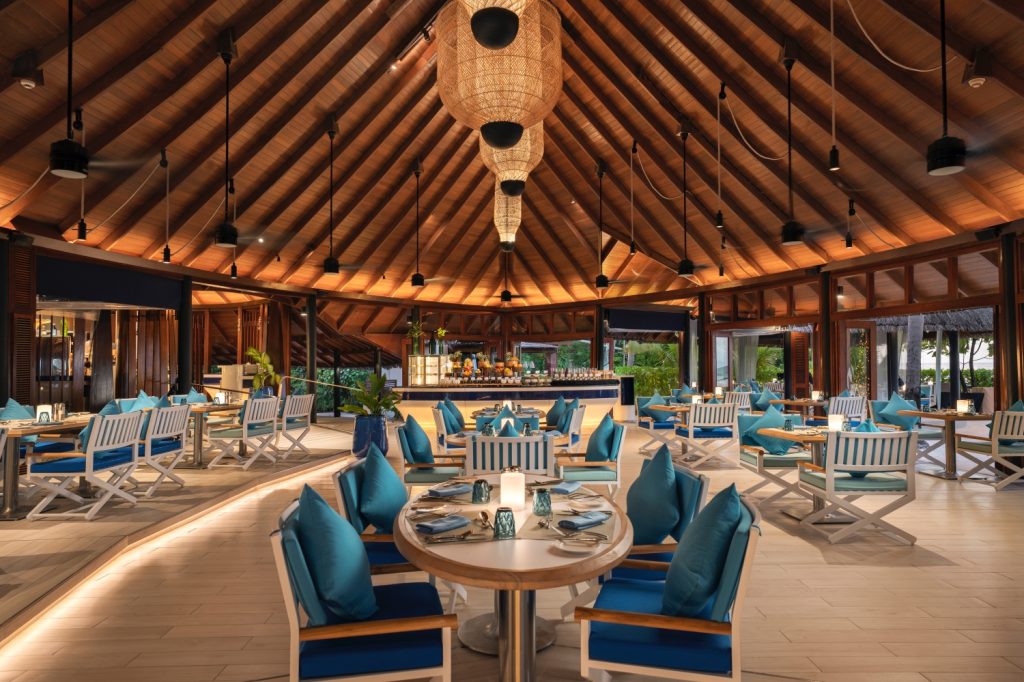
Both Jing restaurant and its bar have been redesigned to create a more open environment and expand views over the surrounding lagoon.
While the physical changes alter the setting in which guests dine, the resort said gastronomy and wine remain fundamental to the Constance Halaveli experience.
The culinary programme will continue to include destination dining, dedicated wine experiences and collaborations with visiting chefs and winemakers, giving the resort’s kitchen and beverage teams opportunities to work beyond the regular restaurant format.
Jing continues Asian-European culinary direction
Jing’s cooking combines Asian influences with European touches, positioning the restaurant around a style that requires chefs to work between different culinary traditions rather than within a single regional cuisine.
Such an approach places particular importance on menu balance.
Asian culinary traditions can bring ingredients and techniques involving spice, fermentation, acidity, umami and aromatic herbs, while European cooking contributes its own foundations in areas such as sauce work, stocks, classical technique and structured plating.
For a kitchen brigade, combining these elements effectively involves more than introducing ingredients from different cuisines onto the same plate.
Flavours need to have a clear relationship with one another, while technique must support the central ingredient rather than compete with it. The result also has to remain consistent with the restaurant’s identity across individual courses and seasonal menu changes.
Jing’s overwater position adds another layer to the dining experience.
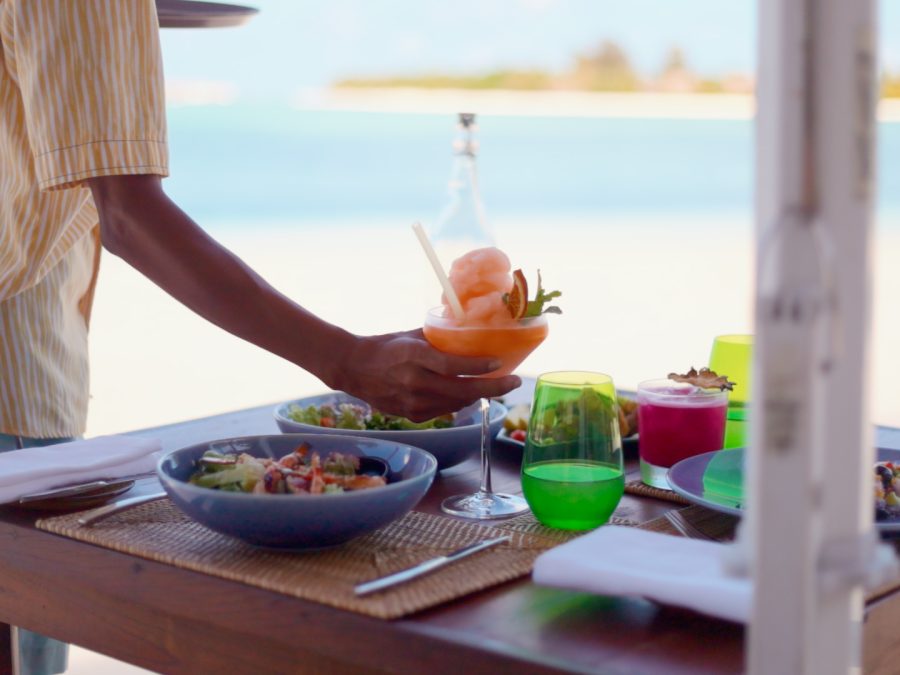
In a Maldives resort, the relationship between a restaurant and its surroundings frequently influences menu design and service. Seafood, lighter preparations and dishes that respond to the tropical climate can work particularly naturally within an overwater setting, while presentation and pacing become part of an evening shaped by views across the lagoon.
The redesigned restaurant aims to bring more of that environment into the dining room by creating a more open layout with wider views.
A cellar of more than 22,500 bottles
Wine remains one of the defining components of Constance Halaveli’s food and beverage programme.
Jing’s cellar holds more than 22,500 bottles covering approximately 1,600 references, giving the resort one of the most extensive wine programmes within its dining operation.
For sommeliers and chefs, the scale of such a cellar creates both opportunity and complexity.
A collection covering 1,600 labels allows the beverage team to work across different regions, grape varieties, vintages and styles, creating pairings suited to individual dishes as well as complete tasting menus.
Managing a cellar of that size, however, requires detailed systems.
Storage temperature, humidity, bottle position, stock rotation and inventory control all become important, particularly in the Maldives, where imported wine must move through a long supply chain before reaching an island resort.
Cellaring also involves decisions about when individual wines should be served.
Some bottles are purchased for relatively immediate use, while others may be held as they develop. Sommeliers therefore need to understand not only a wine’s region and producer, but also its vintage characteristics, drinking window and relationship with food.
For the kitchen, access to a broad wine collection can influence menu development as well.
Rather than selecting wine only after a dish has been created, chefs and sommeliers can work together from an earlier stage, adjusting acidity, richness, seasoning and cooking methods to produce more integrated pairings.
That interaction becomes especially important for tasting menus and special wine dinners, where food and beverage are expected to progress together throughout the meal.
Chef and winemaker collaborations
Constance Halaveli said collaborations with recognised chefs and winemakers will continue as part of its refreshed culinary programme.
For resident kitchen brigades, visiting-chef events can provide a professional dimension beyond the immediate guest experience.
Before a visiting chef’s dinner reaches the dining room, the resort team typically needs to work through ingredient sourcing, recipe testing, mise en place, equipment requirements and service sequencing.
Menus developed in another country or restaurant cannot always be transferred unchanged to an island kitchen.
Ingredient availability, freight schedules, climate, equipment and local supply chains can all affect execution. Visiting chefs and resident teams therefore often need to adapt dishes while preserving the intended flavour and presentation.
That process can become a form of knowledge exchange.
Cooks gain exposure to different working methods and techniques, while visiting chefs benefit from the host brigade’s understanding of local operating conditions, produce and guest expectations.
Winemaker collaborations create similar opportunities on the beverage side.
A winemaker-led dinner can give sommeliers and service teams deeper insight into individual producers, vineyards and vintages, while chefs can develop dishes around specific wines rather than approaching pairing as a final-stage decision.
For culinary professionals, these collaborations are increasingly relevant because resort dining programmes are moving beyond conventional à la carte service towards events where education and interaction form part of the experience.
Destination dining beyond the restaurant
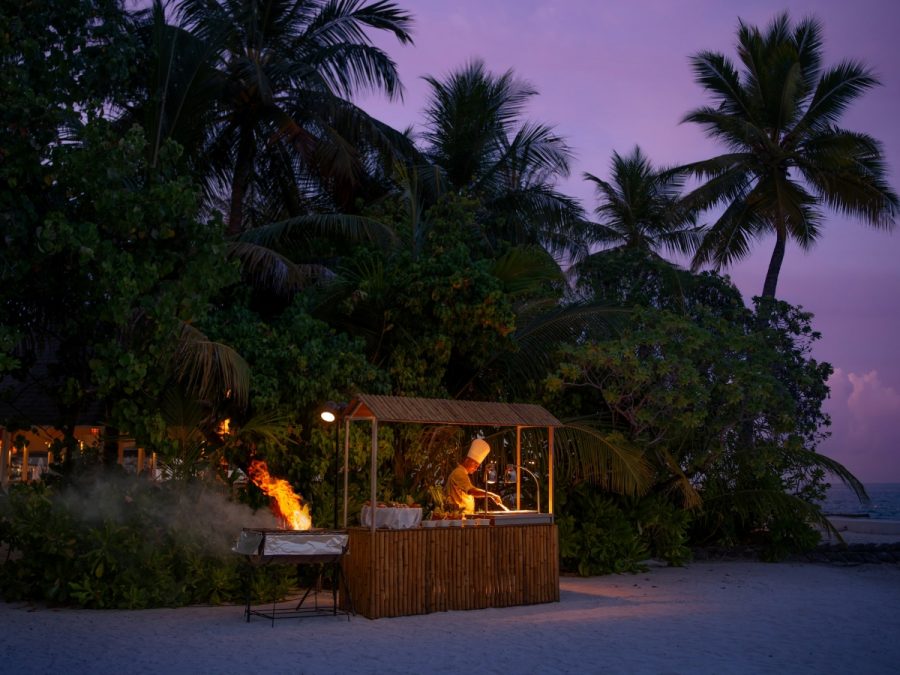
Constance Halaveli will also continue to develop destination-dining experiences.
In the Maldives, destination dining can range from beachfront dinners and private meals to settings removed entirely from the resort’s main restaurant infrastructure.
Although such experiences are designed to appear effortless for guests, they can be operationally demanding for culinary teams.
Food may need to be prepared in the main kitchen, transported to another part of the island and finished close to service.
Chefs therefore need to consider how each dish travels, how temperature will be maintained and whether garnishes or sauces can withstand outdoor conditions.
Wind, humidity and tropical temperatures can quickly affect delicate components.
Menus for destination dining may consequently need to be engineered differently from those served in a conventional dining room. Stable preparations, controlled finishing and carefully planned mise en place become particularly important.
Service and kitchen teams must also communicate closely because there may be greater physical distance between food preparation and the guest table.
When combined with wine service, the logistical requirements increase further. Bottles, glassware and appropriate serving temperatures all need to be maintained outside the infrastructure of a cellar or restaurant.

A wider resort transformation
The culinary refresh forms part of a broader redevelopment at Constance Halaveli.
The resort has updated its Beach Villas and Water Villas, introducing improvements to space, functionality, technology and amenities.
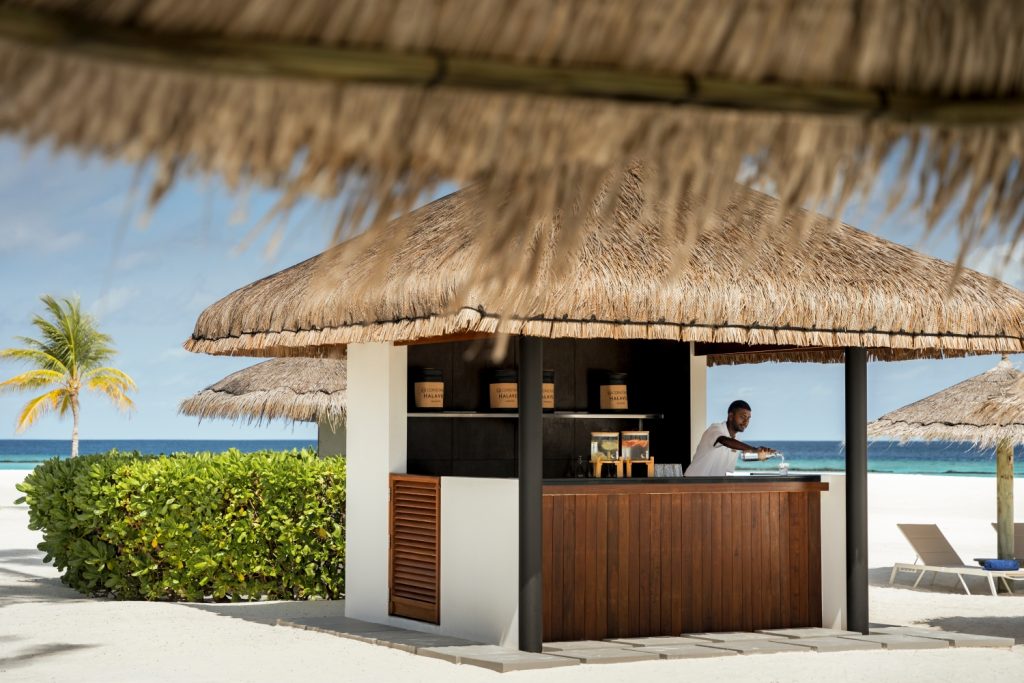
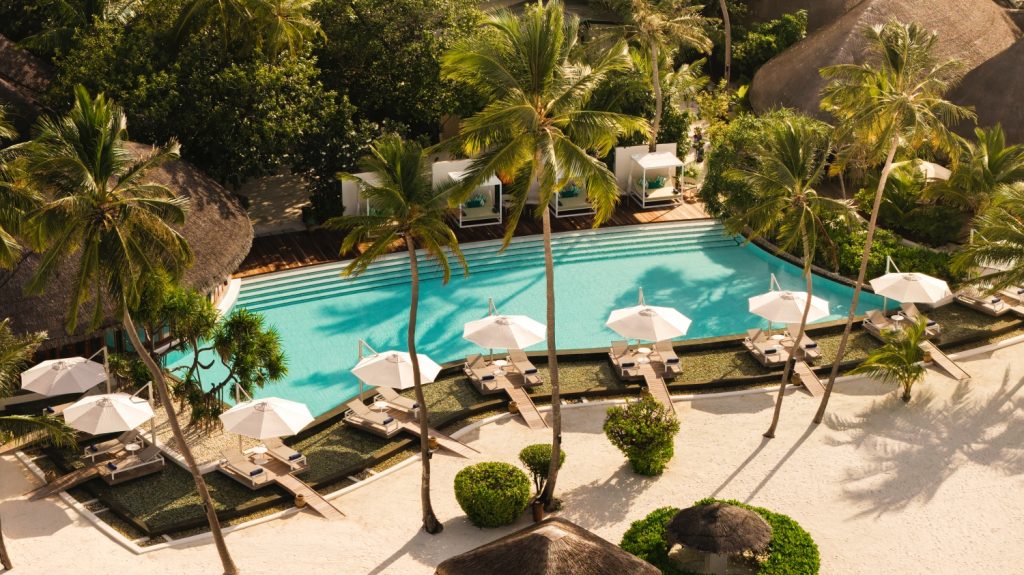
Pool and beach areas have also been redesigned, including a new beach hut intended to support relaxed lunches and sunset drinks.
From an F&B perspective, informal beachfront service adds a different operating format to the resort’s more structured restaurant experiences.
Menus in these settings need to respond to guest expectations around convenience, climate and pace of service, while beverage programmes often become particularly important during late afternoon and sunset periods.
The challenge for culinary teams is to make casual dining feel intentionally designed rather than secondary to fine dining.
The resort has also introduced new wellness programmes and a new Constance Spa, alongside experiences including Full Moon Sound Healing and personalised fitness journeys.
General Manager Tangi Legrand said the transformation was designed to build on the aspects of Halaveli most valued by returning guests.
“For us, this transformation has always been about building on what our guests value most about Constance Halaveli: the warmth of our people, the beauty of the island and the highly personalised service that makes every stay feel individual,” Legrand said.
“Today’s luxury guests seek meaningful experiences. Our ambition was to strengthen these pillars while introducing a new level of comfort, refinement, and attention to detail across the resort. The result is a Halaveli that feels simultaneously familiar and renewed.”
Wine and gastronomy as part of resort identity
For chefs and F&B professionals, Constance Halaveli’s refresh demonstrates how dining is increasingly being treated as a core component of resort identity rather than simply one element of a wider accommodation product.
The redesign of Jing changes the physical environment, but the larger culinary proposition rests on the interaction between several disciplines: kitchen, pastry, wine, bar, front of house and destination dining.
The 22,500-bottle cellar gives sommeliers a substantial platform for pairing and wine education, while 1,600 references create possibilities for menus spanning different styles and regions.
Chef and winemaker collaborations bring external expertise into the operation, while destination dining takes culinary service beyond conventional restaurant spaces.
For the resident brigade, these different formats demand versatility.
A chef may move from normal restaurant service to a visiting-chef collaboration or private destination dinner, while sommeliers may need to shift between cellar management, table service, tastings and dedicated pairing events.
That breadth reflects the evolving role of culinary professionals in Maldives resorts, where restaurant production is increasingly combined with storytelling, education and highly personalised experiences.
At Constance Halaveli, the latest transformation reinforces that direction. Jing’s refreshed setting, the resort’s wine collection and its continuing programme of culinary collaborations together position gastronomy as one of the principal elements shaping the resort’s next chapter.