Art of the perfect dessert: Precision in the pastry kitchen
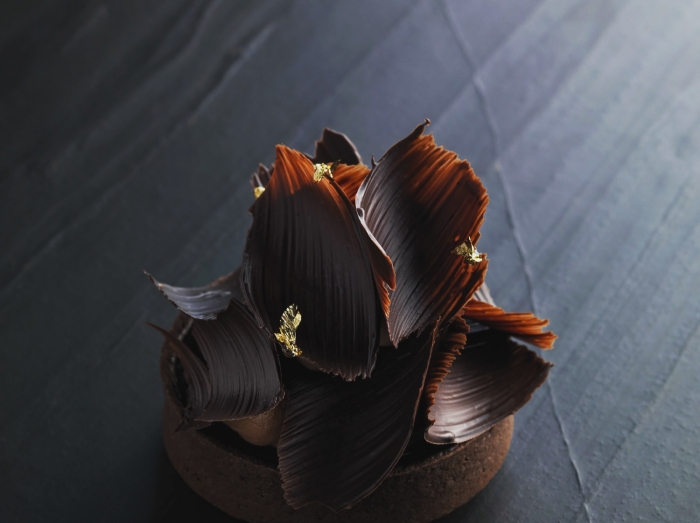
A chocolate tart reveals its construction with the first cut. The pastry fractures, the ganache holds its edge and passion fruit sauce collects beside the slice. For the pastry chef, these details show whether the recipe has worked. Repeating them across a restaurant service requires control over ingredients, mixing, baking and storage.
The version explored here combines a cocoa pastry shell, chocolate ganache and passion fruit coulis. Its character comes from the relationship between those components: the shell offers resistance, the filling melts on the tongue and the fruit brings acidity. Adding another garnish is worthwhile only if it improves that mouthful.
Recipe development begins with a question about how the dessert should eat. Can a spoon break the shell without pushing the tart across the plate? Does the filling hold its shape without feeling dense? How much sauce balances the chocolate? Trials should change one variable at a time, with tasting notes recorded alongside weights and temperatures. Otherwise, an improvement cannot reliably be repeated.
For the pastry, a trial formula adapted from Callebaut’s chocolate tart cases uses 250g plain flour, 100g icing sugar, 30g cocoa powder, 120g butter, 50g beaten egg and 1g salt. Rub the butter into the flour, cocoa, sugar and salt until the mixture resembles crumbs. Add the egg and mix just until the dough comes together. Further mixing can make the pastry tougher.
Roll between sheets of baking paper to 2mm and refrigerate for two hours. Measure the dough at several points before cutting. A thicker base changes both baking time and the balance between pastry and filling. Line identical tart rings without stretching the dough, then chill again before baking. Callebaut specifies 160°C for 15–20 minutes for its cases; the kitchen must check that timing against its oven and ring size. Inspect the base as well as the rim. Cocoa makes colour alone a less useful indication of whether the pastry has baked through.
Chocolate selection needs similar attention. A cocoa percentage does not describe every aspect of a couverture’s behaviour. Cocoa butter content affects fluidity, so changing products can alter the result. Record the manufacturer and product code, alongside the cream’s fat content. If an island kitchen receives a substitute, test it before putting it into the production batch.
A 500g ganache batch, scaled from Valrhona’s published formula, uses 225g dark chocolate, 200g cream, 50g invert sugar and 25g butter. Guanaja 70 per cent provides the reference chocolate; specify cream containing 35 per cent fat for the trials. Weigh everything before heating so the process can continue without interruption.
Bring the cream and invert sugar to the boil while partially melting the chocolate. Add the cream in four additions, stirring from the centre to build the emulsion. Once combined, blend with an immersion blender, keeping its head submerged to limit bubbles. At 35–40°C, incorporate the butter and blend again. The target is a mixture without oil separating at the edges. Record the temperature before filling the cooled shells.
For the passion fruit coulis, a proposed trial batch uses 150g unsweetened purée, 30g caster sugar and 15g water. Warm until the sugar dissolves, then cool and refrigerate. Taste with the ganache and pastry, adjusting during development. Specify the purée’s supplier and whether it contains added sugar. Substituting a sweetened product without recalculating the recipe changes the balance.
Texture also depends on what happens after baking. Allow the shells to cool completely before storing them in an airtight container. Humidity makes storage part of the recipe in a Maldivian kitchen. Keep only the shells needed for the next stage on the bench, with the remainder covered. Before filling, brush their interiors with a thin layer of melted chocolate and let it set. This creates a barrier that slows moisture reaching the pastry. Test a filled tart after several hours and again the following day to establish its service window.
For kitchens serving outdoor restaurants, the journey from refrigeration to the table belongs in that test. A filling that cuts well in the pastry room may soften during a delay at the pass. Keep finished tarts refrigerated, then establish an interval before serving that allows the ganache to yield to the spoon. Record the conditions under which that timing works.
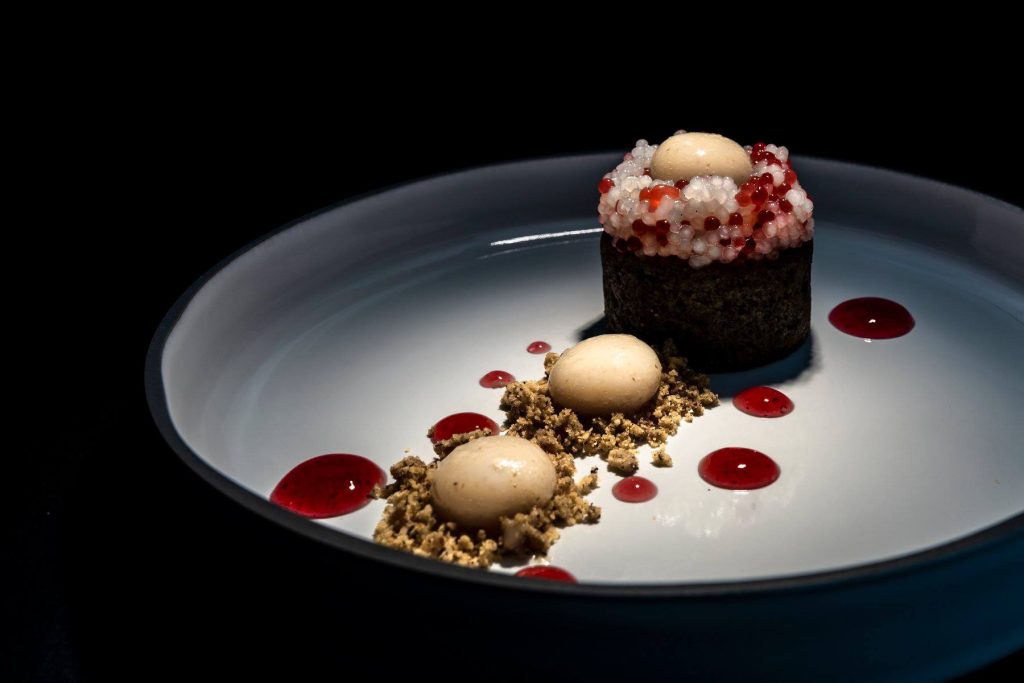
Plating should make the proportions repeatable. Weigh the ganache deposited into each shell and use a measured portion of coulis beside the tart. Keep sauce away from the pastry until the guest begins eating. A reference photograph helps colleagues reproduce the arrangement, but it must sit beside written portion weights and an order of assembly.
The final check is whether another member of the team can reproduce the dessert from the recipe card. Record dough thickness, ring dimensions, oven settings, batch yield, filling weight and storage times. Compare the first and last tarts from the batch. Creativity remains in the choice of chocolate, the level of acidity and the way the components meet. Precision allows those decisions to reach every guest.