From Nikkei to Korean barbecue: Vakkaru Maldives unveils Silk Road-inspired festive dining
Vakkaru Maldives will use the historic Silk Road as the culinary framework for its 2026 festive season, bringing together Korean barbecue, Nikkei-inspired menus, Spanish tapas and paella, Southeast Asian flavours, seafood dinners, wine tastings and gala feasts across nearly four weeks of celebrations.
Running from 13 December 2026 to 9 January 2027, the festive programme will combine Christmas, New Year and Orthodox Christmas with a series of food and beverage experiences inspired by the exchange of cultures, ingredients and traditions that once took place along the Silk Road.
For chefs and culinary professionals, the concept gives Vakkaru’s kitchen and beverage teams a broad platform to work across different cuisines while maintaining a common narrative around cultural exchange.
The historic Silk Road was not a single route, but a network through which silk, spices, tea, precious materials and culinary influences moved between regions. Vakkaru is using that history as the starting point for menus that move between Asia, Europe and the wider world.
“The Silk Road is ultimately a story of connection, of people, cultures and traditions meeting and enriching one another,” said Teddy Susanto Wiryawan, General Manager of Vakkaru Maldives.
“That feels especially meaningful during the festive season, when families and friends come together from around the world. This year, we wanted to create a programme that celebrates that spirit of discovery and generosity while remaining true to the timeless rhythm of life at Vakkaru.”
A global culinary programme
Between the resort’s major Christmas and New Year events, guests will be able to explore a changing schedule of international dining experiences.
Korean barbecue will form part of the line-up, placing live cooking and shared dining at the centre of the experience.
For culinary teams, Korean barbecue requires close attention to marination, meat preparation, accompaniments and the balance between grilled proteins and fermented, pickled or seasoned side dishes.
The style also lends itself naturally to interactive dining, with cooking and service becoming part of the guest experience rather than taking place entirely behind the scenes.
Nikkei-inspired menus will introduce another layer of culinary crossover.
Nikkei cuisine developed through the interaction of Japanese culinary traditions with Peruvian ingredients and flavours, creating a style known for its use of seafood, citrus, chillies, umami and precise knife work.
For chefs, the cuisine is particularly relevant to a broader Silk Road theme because it demonstrates how migration and cultural exchange can produce new culinary identities rather than simply reproducing established traditions.
Seafood also gives Nikkei cooking a natural connection with the Maldives, where fish remains central to both local cuisine and resort menus.
Spanish tapas and paella will bring a Mediterranean dimension to the programme.
Tapas allows kitchen teams to work across small-format dishes, encouraging variety in texture, cooking methods and presentation while maintaining consistency across a shared dining experience.
Paella presents a different technical challenge.
Rice variety, stock, heat control, seafood preparation and the development of the socarrat — the caramelised layer traditionally formed at the base of the pan — all influence the final result.
In a resort environment, preparing paella for multiple guests also requires chefs to balance authenticity with service timing and volume.
Southeast Asian flavours will feature elsewhere in the festive calendar, bringing together ingredients and techniques that can include herbs, spices, coconut, chilli, citrus, seafood and fermented products.
These cuisines are particularly suited to tropical resort dining because many of their flavour foundations correspond naturally with the climatic and ingredient profile of island destinations.
Seafood and the island setting
Lobster dinners by the sea will provide another major component of the programme.
For chefs, lobster requires precise timing and temperature control. Overcooking can quickly alter texture, while the richness and sweetness of the meat need to be balanced through sauces, acidity, aromatics and accompaniments.
Serving the dish as part of a destination-dining experience also adds logistical considerations.
Outdoor service requires attention to holding temperatures, transport, plating and environmental factors including wind and humidity.
At Vakkaru, these seafood dinners will be staged within the natural setting of Baa Atoll, linking the menu directly with the surrounding ocean.
That connection between place and plate is an important consideration for Maldives resort chefs, particularly when seafood is positioned as a central ingredient.
Rather than presenting the product in isolation, destination dining can allow culinary teams to create an experience in which environment, menu and service operate together.
Wine beyond the cellar
Vakkaru Reserve will extend its wine programme beyond the traditional cellar setting through sunset tastings on the sandbank.
The format brings wine education into a destination setting, allowing sommeliers and beverage professionals to guide guests through selected wines while incorporating the landscape into the tasting.
Wine service outside a conventional restaurant requires careful planning.
Temperature becomes particularly important in a tropical environment, while glassware, bottle handling, transport and service timing must all be managed without the infrastructure normally available in a dining room.
For sommeliers, the experience also requires communication.
A successful tasting involves more than presenting labels. Guests need to understand the grape variety, region, structure and character of the wine, while the sommelier must adapt the level of detail to different levels of guest knowledge.
The resort will also hold mixology classes during the festive season.
These sessions will give guests direct exposure to cocktail preparation while providing beverage teams with an opportunity to explain flavour construction, spirits, garnishes and techniques.
For bartenders, teaching a guest requires a different approach from normal service. Recipes must be broken down into understandable steps, while participants need enough flexibility to engage with the process without compromising the final drink.
Christmas Eve on Vakku Beach
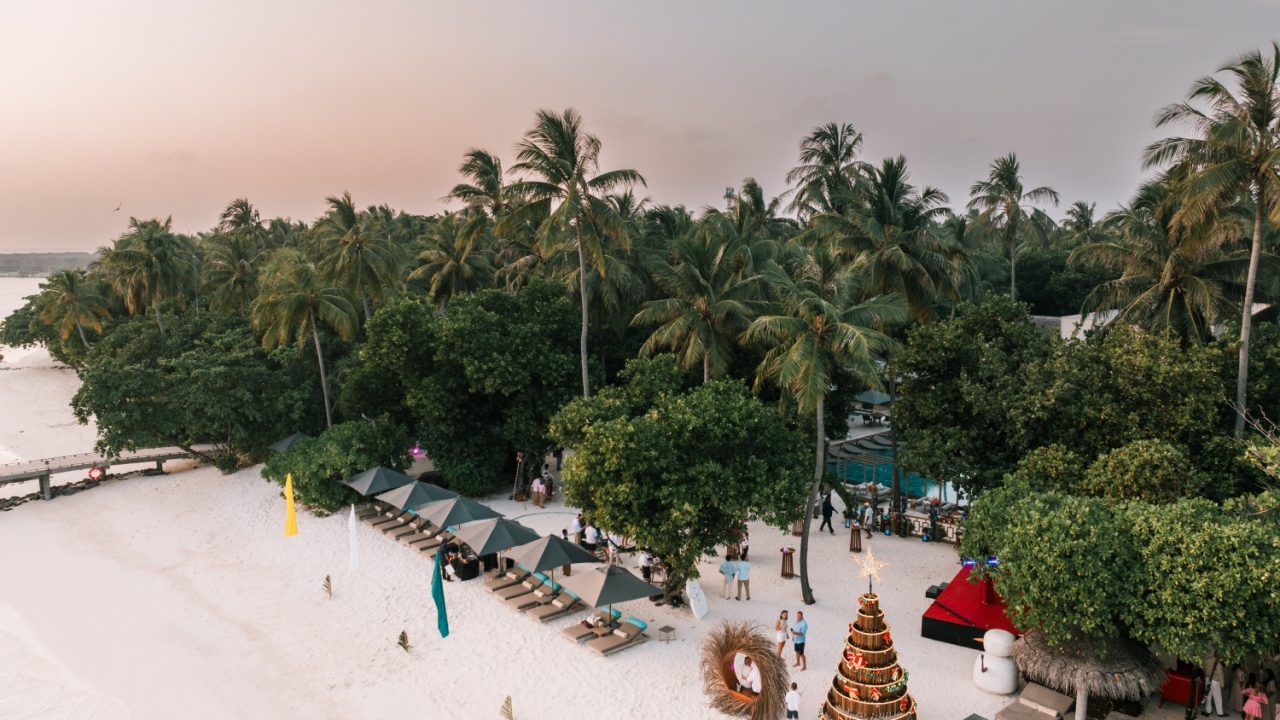
The festive programme will begin gathering pace on 17 December with Vakkaru’s Christmas Tree Lighting Ceremony and anniversary celebration at Vakku Beach.
Christmas Eve will become one of the principal culinary service periods.
Following afternoon activities, guests will gather for cocktails on Isoletta Beach before moving to the Christmas Eve Gala Dinner on Vakku Beach.
The dinner will feature festive classics, fresh seafood and flavours from around the world, accompanied by live music and entertainment.
For culinary brigades, Christmas Eve gala service is among the most complex events of the resort calendar.
A large-format outdoor dinner requires coordination across hot kitchen, cold kitchen, pastry, bakery, live stations, stewarding and service teams.
Menu development must also take into account a highly international guest mix.
Some diners expect familiar Christmas dishes, while others may be looking for local seafood, Asian flavours or lighter tropical preparations. The challenge for chefs is to create breadth without allowing the buffet or menu to become disconnected.
The Silk Road concept gives Vakkaru a framework for bringing those different culinary traditions together.
Rather than positioning cuisines as unrelated stations, the theme allows the resort to present international flavours through a common story of travel, exchange and cultural interaction.
Christmas Day will continue with special dining throughout the day alongside marine and family experiences.
New Year’s Eve: The Silk Road Journey
The culinary centrepiece of the New Year programme will be the New Year’s Eve Gala: The Silk Road Journey on Vakku Beach.
The resort describes the event as an international feast inspired by the flavours and spirit of the historic routes.
For the kitchen team, the concept creates scope to work across multiple regional traditions within a single large-scale dining event.
The challenge lies in maintaining culinary identity.
A menu involving East Asian, Southeast Asian, Mediterranean and other influences can easily become a collection of unrelated dishes if the overall progression and presentation are not carefully structured.
Chefs therefore need to consider not only individual recipes, but how flavours, temperatures, textures and cooking techniques interact across the complete guest journey.
Live stations can provide one method of organising such diversity, allowing chefs to present cuisines separately while retaining an overall thematic connection.
They also offer guests greater interaction with the brigade and allow some dishes to be finished immediately before service.
The New Year’s Eve dinner will be accompanied by live music, dance and performances before fireworks mark the arrival of 2027.
New Year’s Day brunch
New Year’s Day will begin with a celebratory brunch at Amaany.
Brunch presents a different operational challenge from the previous evening’s gala.
The kitchen must transition rapidly from late-night New Year service into morning and midday production, often with limited turnaround time.
Menus typically need to bridge breakfast and lunch, bringing together bakery, egg cookery, salads, seafood, hot dishes, live stations and pastry.
For resort culinary teams, staffing and mise en place planning are therefore particularly important.
The service also needs to feel relaxed for guests even though it follows one of the most intensive nights of the year for the kitchen.
Cooking experiences and guest interaction
Cooking experiences will continue throughout Vakkaru’s festive calendar, giving chefs opportunities to interact directly with guests.
For kitchen professionals, this type of programme has become increasingly important within luxury resort hospitality.
Guests are no longer always content simply to consume a finished dish. Many want to understand the ingredients, methods and traditions behind it.
Cooking demonstrations and classes therefore position chefs as educators and communicators in addition to their operational roles.
Explaining a technique requires a chef to translate professional processes into language that is accessible to a non-professional audience.
This can be particularly valuable when presenting cuisines unfamiliar to international guests.
For example, a class centred on Asian or Maldivian flavours can provide context around spices, coconut, seafood, fermentation or traditional preparation methods that would otherwise remain invisible once a dish reaches the table.
Orthodox Christmas extends the programme
Vakkaru’s culinary calendar will continue beyond New Year into Orthodox Christmas.
On 6 January, the resort will host an Orthodox Christmas cocktail party at Vakku Beach, followed by an Orthodox Gala Dinner.
The dinner will feature a festive buffet accompanied by live music and entertainment.
Extending the celebrations into Orthodox Christmas adds another cultural dimension to the resort’s food programme.
For chefs, it also means sustaining festive production well beyond 31 December.
In many Maldives resorts, the operational peak does not end with New Year’s Eve. Properties serving international markets may continue themed dinners, Orthodox Christmas celebrations and other events into the first week of January.
This extended period requires careful workforce planning, procurement and menu rotation to ensure that culinary standards remain consistent despite the length of the season.
Pastry and festive production
Although the programme places considerable attention on global savoury cuisine, the festive calendar will also require extensive work from Vakkaru’s pastry and bakery teams.
Christmas, New Year and Orthodox Christmas traditionally involve a significant increase in pastry production across resorts.
In addition to desserts for gala dinners, teams may be responsible for breads, chocolates, petits fours, cakes, festive amenities and decorative pieces.
The demands of outdoor buffets and destination events create further technical considerations.
Chocolate and sugar work can be affected by heat and humidity, while plated and buffet desserts need sufficient structural stability to retain their appearance throughout service.
Pastry chefs therefore need to balance creativity with the realities of the Maldives climate.
The Silk Road theme also creates opportunities to explore desserts linked to different culinary regions, including ingredients historically traded along those routes such as spices, nuts, dried fruits, tea and citrus.
Culinary exchange as the central theme
At its core, Vakkaru’s festive programme is built around the idea of exchange.
That concept has particular relevance to professional kitchens in the Maldives.
Resort brigades are typically multinational, with chefs bringing different culinary traditions, techniques and professional experiences into the same kitchen.
A Silk Road-themed programme can therefore reflect not only historical exchange but the everyday reality of the Maldives hospitality workforce.
Producing Korean barbecue, Nikkei dishes, Spanish paella, Southeast Asian cuisine and international gala menus requires chefs from different sections to share knowledge and work across culinary boundaries.
That exchange can strengthen a brigade when it is treated as professional collaboration rather than simply as themed production.
Junior chefs gain exposure to techniques outside their regular sections, while experienced chefs have an opportunity to share specialist knowledge.
For pastry, culinary and beverage teams alike, the festive season can therefore become an intensive period of professional learning as well as production.
Vakkaru’s programme will combine this culinary work with marine experiences, family activities, entertainment and wellness, including a residency by Japanese holistic practitioner Yoko Kawaguchi.
Yet food and beverage remain one of the principal threads connecting the nearly four weeks of celebrations.
From Korean barbecue and Nikkei-inspired menus to paella, Southeast Asian cooking, lobster dinners, sandbank wine tastings and three major gala occasions, the resort’s kitchens will move across cultures throughout the festive period.
For chefs, the Silk Road theme provides a useful reminder of how cuisine develops: through movement, contact, adaptation and exchange.
At Vakkaru Maldives, those principles will form the foundation of a festive programme that uses food not simply as part of the celebration, but as one of the main ways of telling its story.