From breadfruit crisps to Phuket lobster arancini: SunRay unveils Maldives culinary offering
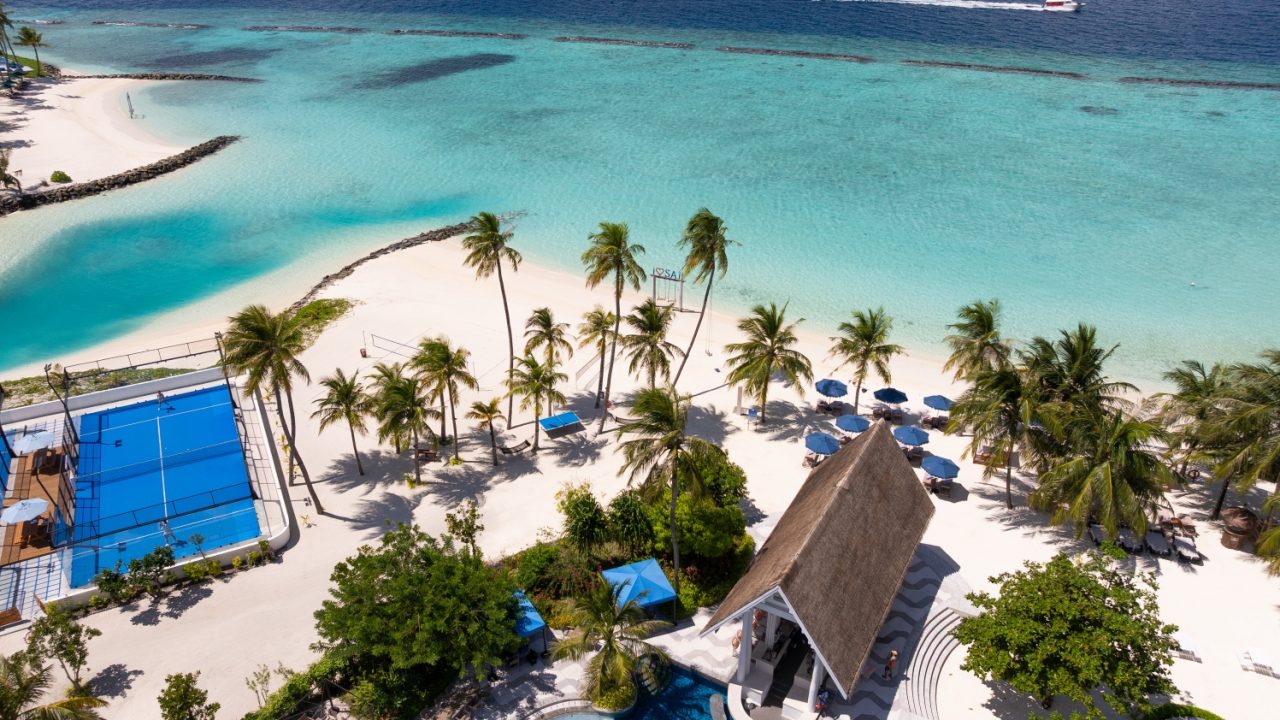
SAii Lagoon Maldives, Curio Collection by Hilton has introduced SunRay Social & Swim Club to the Maldives, bringing with it a daytime culinary concept built around shareable dishes, handcrafted gelato and cocktails that draw on Maldivian, Thai and international influences.
The launch follows the soft opening of SunRay at SAii Koh Samui Villas earlier this year and forms part of a wider rollout by S Hotels & Resorts. The concept is designed as an alternative to the conventional late-night beach club, with food, music, recreation and social experiences structured around the progression of the day from sunrise to sunset.
For chefs and food and beverage professionals, the Maldives iteration is notable for the way its menu translates that lifestyle concept into approachable poolside food while incorporating ingredients and flavour references from both the Maldives and Thailand.
The culinary line-up includes breadfruit crisps seasoned with an aromatic Maldivian tuna mixture, crispy tortilla topped with stir-fried beef kaprao, Phuket lobster arancini and oven-hot Maldivian-style pizza, alongside a selection of other dishes intended for sharing by the beach and pool.
A separate gelato programme takes inspiration from SunRay’s visual identity, with three exclusive flavours matched to colours used by the brand: Orange Amaretto for Brick Orange, Toffee for SunRay Blue and Pink Guava for Cream.
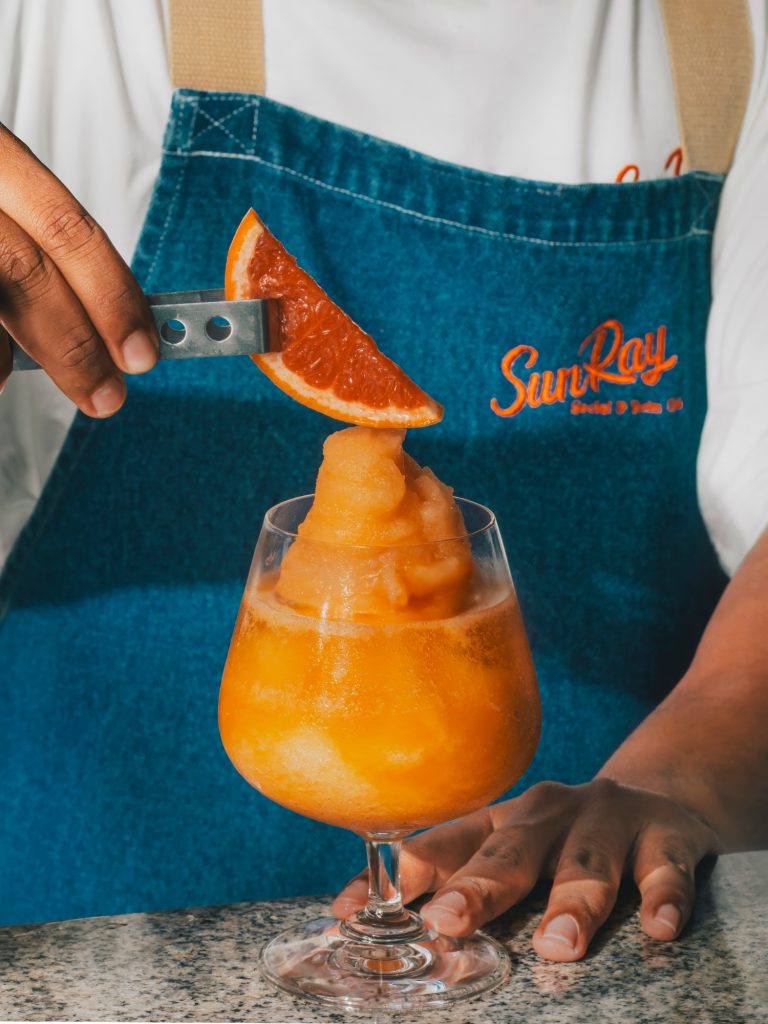
Sun-inspired cocktails complete the F&B programme, positioning drinks, frozen desserts and casual dining as part of the same all-day experience.
A menu designed for sharing
SunRay’s food concept centres on fresh, accessible dishes that can move easily between lunch, poolside snacking and informal group dining.
That approach places particular importance on menu engineering.
Unlike a conventional restaurant, a beach and swim club serves guests who may be moving between the pool, lagoon, sports activities and loungers throughout the day. Food therefore needs to be easy to share, straightforward to serve and robust enough for an outdoor environment without losing its culinary identity.
At SunRay Maldives, that has resulted in dishes that use familiar formats as vehicles for less conventional flavour combinations.
Breadfruit crisps, for example, are paired with an aromatic Maldivian tuna mixture.
Breadfruit has long been part of food traditions across tropical regions, including the Maldives, and its firm texture makes it suitable for frying into crisp preparations.
The tuna seasoning gives the dish a clearer local reference. Tuna remains one of the defining ingredients of Maldivian cuisine, traditionally appearing alongside coconut, chilli, onion, lime and other aromatics.
By using those flavour associations within a crisp snack format, the kitchen can introduce a distinctly Maldivian element without turning the dish into a formal interpretation of traditional cuisine.
For poolside service, the format also makes operational sense. Crisps are portionable, shareable and suited to casual eating, while the topping or seasoning provides the opportunity to differentiate the dish from a conventional bar snack.
Thai kaprao meets the tortilla
Another example of SunRay’s cross-cultural approach is its crispy tortilla with stir-fried beef kaprao.
Kaprao — built around stir-fried meat, chilli and holy basil — is one of Thailand’s widely recognised flavour profiles.
At SunRay, those flavours are placed onto a crisp tortilla rather than presented in their more familiar rice-based context.
For chefs, this type of adaptation requires careful attention to moisture and texture.
A tortilla intended to remain crisp can quickly soften if topped too early or if the stir-fried beef carries excessive liquid. Sauce reduction, portion size and timing therefore become central to successful execution.
The format also highlights a wider trend in casual resort dining: taking a recognisable culinary flavour and presenting it through a form better suited to sharing.
The objective is not necessarily to reproduce a traditional dish in full, but to retain enough of its flavour identity that the culinary reference remains clear.
Given S Hotels & Resorts’ Thai roots, the use of kaprao also gives SunRay’s menu a link to the wider identity of the group while allowing the Maldives edition to develop its own character.
Phuket lobster enters an Italian format
Phuket lobster arancini adds another layer to the menu’s cross-cultural construction.
Arancini originate from Italian rice cookery, while Phuket lobster connects the preparation with southern Thailand and the seafood traditions of the region.
For chefs, arancini are deceptively technical.
The rice needs sufficient starch to bind while retaining texture, the filling needs to be evenly distributed, and the coating must remain crisp after frying.
Introducing lobster increases the importance of temperature control.
Shellfish can become tough if overcooked, meaning the lobster needs to be handled in a way that protects its texture through both the preparation of the filling and the final frying process.
The richness of the rice and frying method also calls for balance from acidity, seasoning or accompanying sauces.
As a beach-club dish, however, the format has practical advantages. Arancini can be portioned individually, eaten socially and served as part of a wider collection of small plates.
The dish therefore combines restaurant technique with the informal service style SunRay is trying to establish.
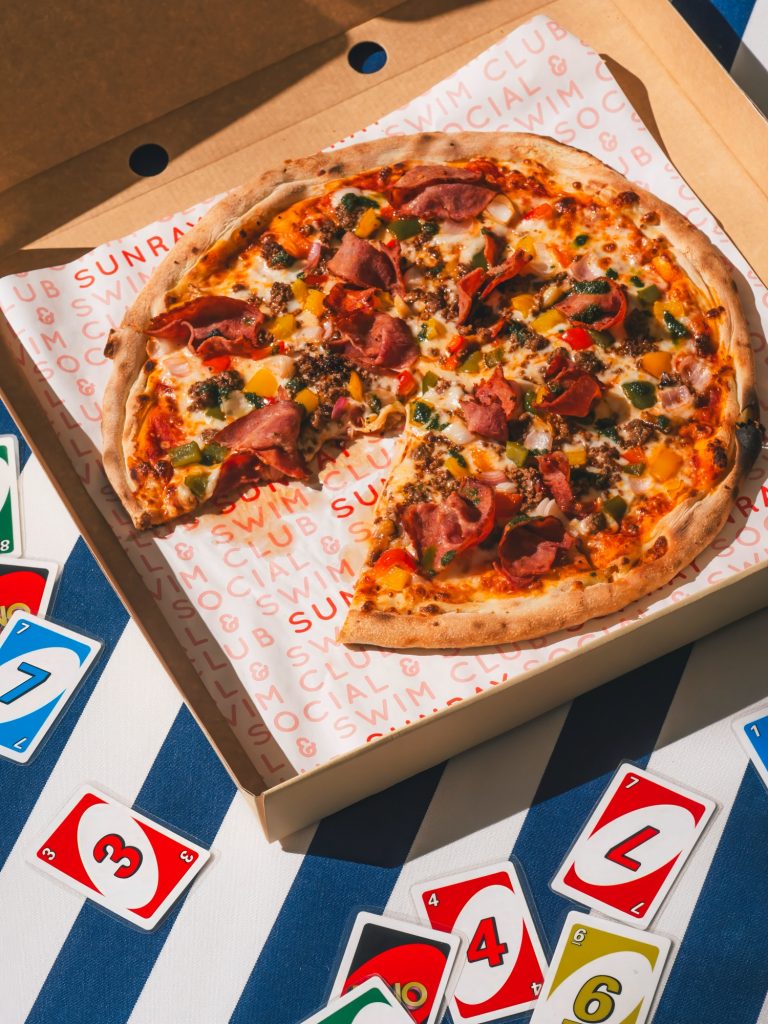
Maldivian-style pizza adds another local reference
The menu will also feature oven-hot Maldivian-style pizza.
While the resort has not disclosed its exact toppings, the description indicates another attempt to interpret local flavour within an internationally familiar format.
Pizza can be a particularly useful platform for destination-led cooking because the base is immediately recognisable to guests from many markets while toppings can be adapted to regional ingredients.
For kitchen teams, however, consistency depends first on dough rather than toppings.
Fermentation time, hydration, yeast activity and oven temperature all influence the final crust.
In the Maldives, warm ambient conditions can accelerate fermentation, requiring close control of proofing schedules and refrigeration.
A busy poolside operation also demands careful production planning. Dough needs to be prepared in sufficient quantities while avoiding over-proofing, and the oven must recover temperature quickly enough during high-volume service.
Only once those fundamentals are controlled can the kitchen focus effectively on the flavour identity of the finished pizza.
Gelato translates the brand into flavour
One of the most distinctive parts of SunRay’s F&B concept is its three-flavour gelato range.
Rather than naming the products only around ingredients, each flavour corresponds with part of SunRay’s visual palette.
Orange Amaretto represents Brick Orange, Toffee corresponds with SunRay Blue, while Pink Guava is linked to Cream.
The approach turns colour and branding into a culinary brief.
For pastry and frozen-dessert professionals, gelato production requires close attention to formulation.
Sugar influences not only sweetness but freezing point and texture. Fat and milk solids affect body and mouthfeel, while fruit preparations introduce varying levels of water, acidity and natural sugar.
Pink guava, for example, behaves differently from a dairy-led toffee flavour. Fruit acidity, pulp and water content need to be considered when balancing the base to achieve the desired scoopability and texture.
An amaretto-inspired flavour introduces another set of considerations around alcohol, almond character and sweetness.
Alcohol depresses the freezing point, meaning quantities must be carefully controlled to prevent the finished gelato becoming excessively soft.
For a Maldives beach venue, holding and service temperature are particularly important.
High outdoor temperatures mean frozen desserts need a tightly controlled cold chain from production through display and service. Even small temperature fluctuations can affect crystal formation, texture and presentation.
The Gelato Bar therefore represents more than a colourful add-on to the SunRay concept. It gives the pastry operation its own clearly identifiable role within the wider daytime F&B experience.
Cocktails follow the movement of the sun
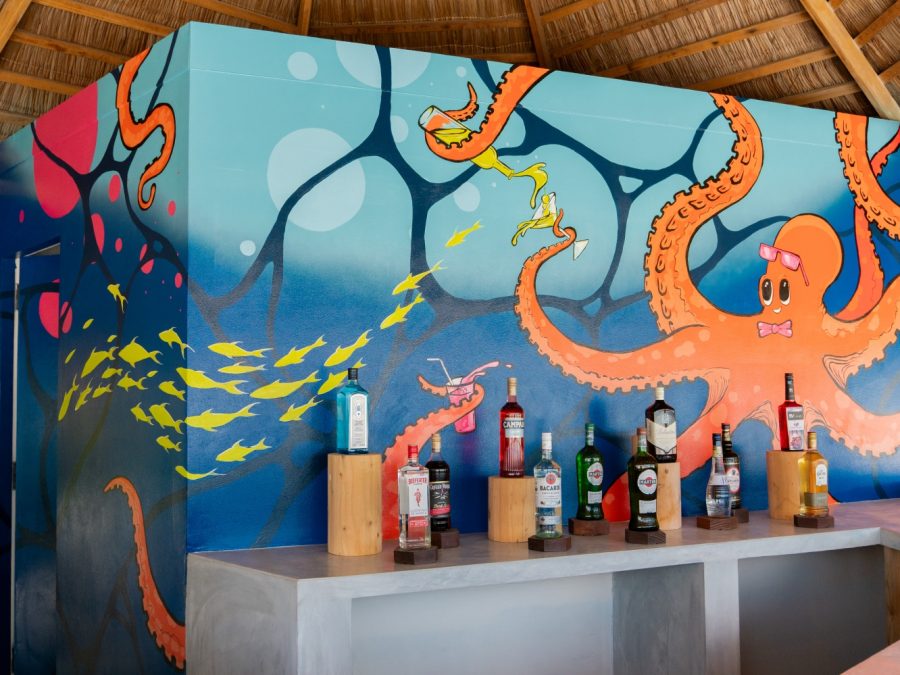
Drinks are another component of SunRay’s identity, with the resort introducing a selection of sun-inspired cocktails.
The concept fits into a programme structured around four stages of the day: First Light, Morning Drift, Peak Sun and Golden Hour.
For bartenders, this daypart approach creates opportunities to adapt drinks according to how guests are using the venue.
Earlier in the day, lighter and more refreshing serves may be appropriate, while golden hour can support more complex aperitif-style drinks as the venue transitions towards sunset.
The physical setting also influences beverage development.
Drinks designed for pool and beach service need to perform in heat, remain visually appealing and be practical to carry and consume outside a conventional bar setting.
Ice management is particularly important in a tropical climate. Dilution occurs rapidly once a drink leaves the bar, so recipes may need to account for longer service distances and warmer surroundings.
Fresh fruit, herbs and garnishes likewise require strict mise en place and temperature control throughout the day.
Food follows the rhythm of SunRay
SunRay structures its wider programme around the movement of the sun.
First Light begins with sunrise yoga and beach bootcamp sessions.
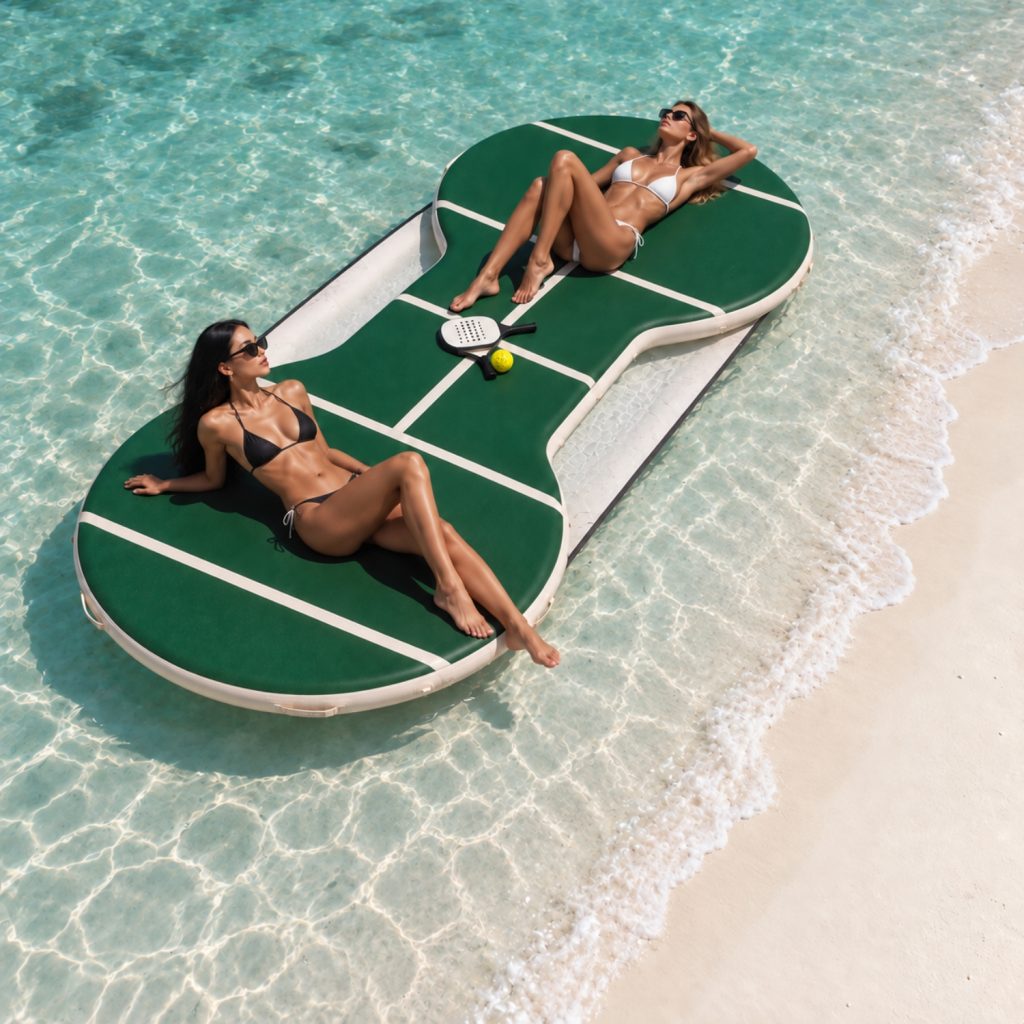
Morning Drift shifts towards lagoon experiences including Aqua Flow workouts, floating pickleball, snorkelling and diving.
Peak Sun increases the energy through activities such as water polo, pool volleyball, mobile karaoke and creative sessions.
Golden Hour moves into beach volleyball, table tennis, padel, Kick Box Fit and family activities before a Boduberu sunset ritual.
The food and beverage programme is designed to sit within this rhythm rather than function as a separate restaurant experience.
This is significant from an operational perspective.
Guest appetite and dining behaviour can change markedly across the day.
A guest leaving an early-morning yoga session may want something different from someone spending the afternoon beside the pool. Golden hour creates another service peak, with cocktails and shared plates competing for attention as guests settle in for sunset.
Chefs and F&B managers therefore need to understand how activity programming affects kitchen demand.
An all-day concept works best when menus, staffing and mise en place correspond with those changing patterns rather than assuming a conventional breakfast-lunch-dinner cycle.
Informality still requires technical discipline
SunRay positions its food as approachable rather than formal, but casual dining can be technically demanding in its own way.
Poolside food needs to travel well.
Fried dishes must remain crisp long enough to reach the guest. Pizza needs to arrive hot. Cold items must stay at safe temperatures. Gelato needs to maintain texture despite extreme external heat.
Shared plates also need to be portioned in a way that works for different group sizes.
The kitchen must be able to reproduce those dishes quickly during sudden periods of high demand, which are common around pools and beach clubs.
That means substantial preparation takes place before service begins.
Sauces, toppings, garnishes and pre-portioned components all need to be ready so chefs can focus on finishing rather than assembling every element from the beginning.
In this context, apparently simple food can require as much operational planning as more formal restaurant cuisine.
A Maldives interpretation of a regional concept
SunRay first launched at SAii Koh Samui Villas and will eventually expand across the wider S Hotels & Resorts portfolio, including SAii Laguna Phuket.
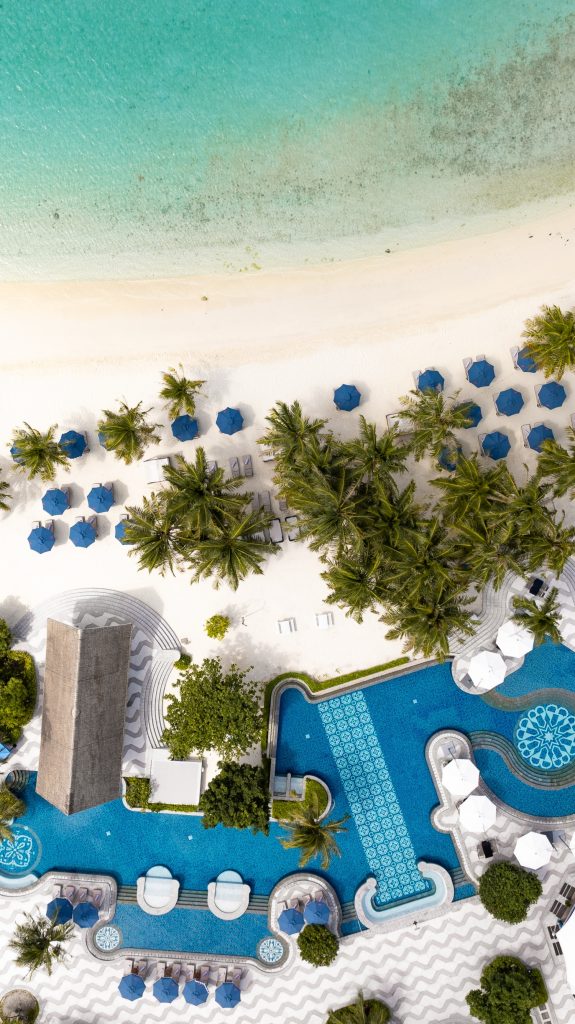
The Maldives version is intended to retain the wider concept while responding specifically to the setting at SAii Lagoon Maldives.
“What makes SunRay so compelling is its ability to adapt to the character of each destination,” said Michael Marshall, Chief Executive Officer of S Hotels & Resorts.
“The concept is built around the movement of the sun, but in the Maldives the ocean becomes an equally important guide. At SunRay Maldives, the programme has been shaped around the lagoon itself, from water-based activities and wellness experiences to music, dining and social moments, resulting in a version of SunRay that feels distinctly Maldivian while staying true to the concept’s core philosophy of nature-led daytime leisure.”
That adaptation is visible in the menu.
Thai influences connect SunRay Maldives with the hospitality group’s roots, while tuna, breadfruit and Maldivian-style pizza provide local reference points.
Phuket lobster brings another regional connection, while arancini, tortilla and gelato draw from broader international food cultures.
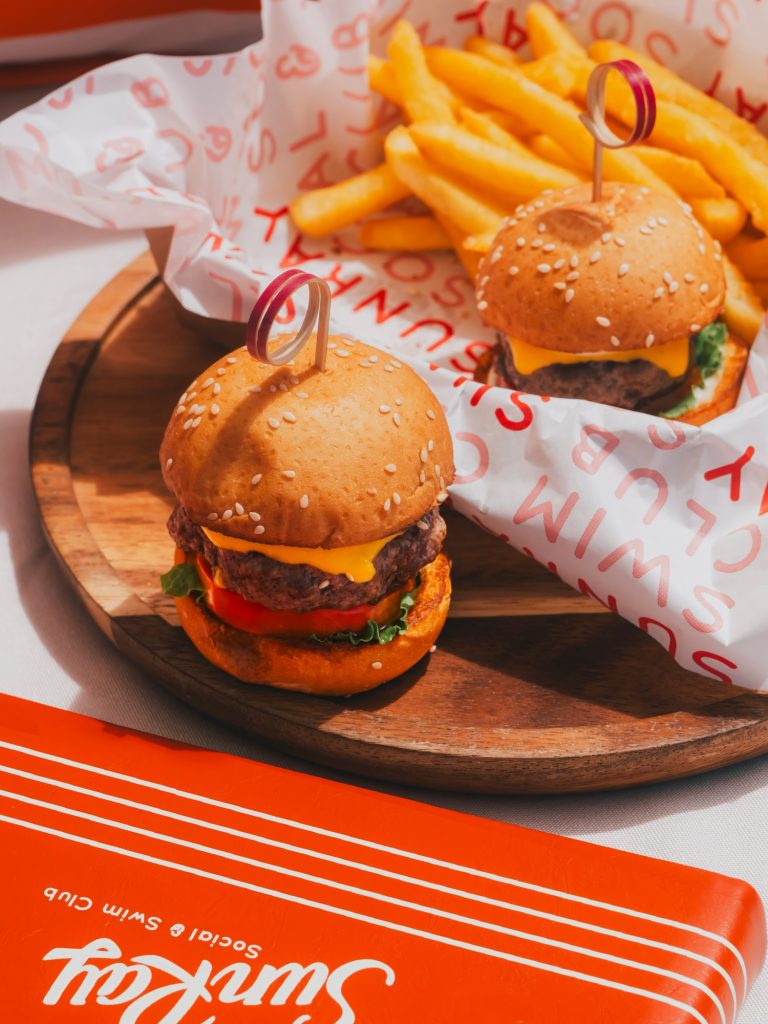
Rather than presenting these cuisines in separate restaurant sections, SunRay combines them within one informal menu built around sharing.
A different role for beach-club food
The culinary concept also reflects how expectations around beach and pool dining continue to evolve.
Historically, such venues have often relied on familiar international comfort food and relatively simple snack menus.
SunRay takes a more deliberate approach, using the accessibility of casual food while layering in specific cultural and ingredient references.
For chefs, that creates an interesting middle ground.
The dishes need to remain approachable enough for a broad guest profile, but distinctive enough to give the venue its own culinary identity.
Breadfruit and Maldivian tuna can distinguish a crisp snack.
Kaprao can give a tortilla a Thai identity.
Lobster can turn arancini into a more destination-specific offering.
Gelato can reinforce the visual language of the brand.
The creativity lies not necessarily in increasing complexity, but in making each dish appropriate to the venue while giving guests something recognisable about where they are.
With SunRay Social & Swim Club now operating at SAii Lagoon Maldives, food and beverage become central to that ambition.
From breadfruit crisps and lobster arancini to colour-inspired gelato and sunset cocktails, the menu is designed to move with guests through the day — placing chefs, pastry professionals and bartenders at the centre of a concept built around sun, sea and social dining.