Jumeirah Olhahali Island unveils festive culinary calendar with Krug, Gaja and Izakaya dining
Jumeirah Olhahali Island will place gastronomy and wine at the centre of its 2026 festive programme, with a series of dedicated dining experiences spanning Krug, Gaja, Japanese izakaya-style dining, wine pairings, degustation menus and Maldivian-inspired cuisine.
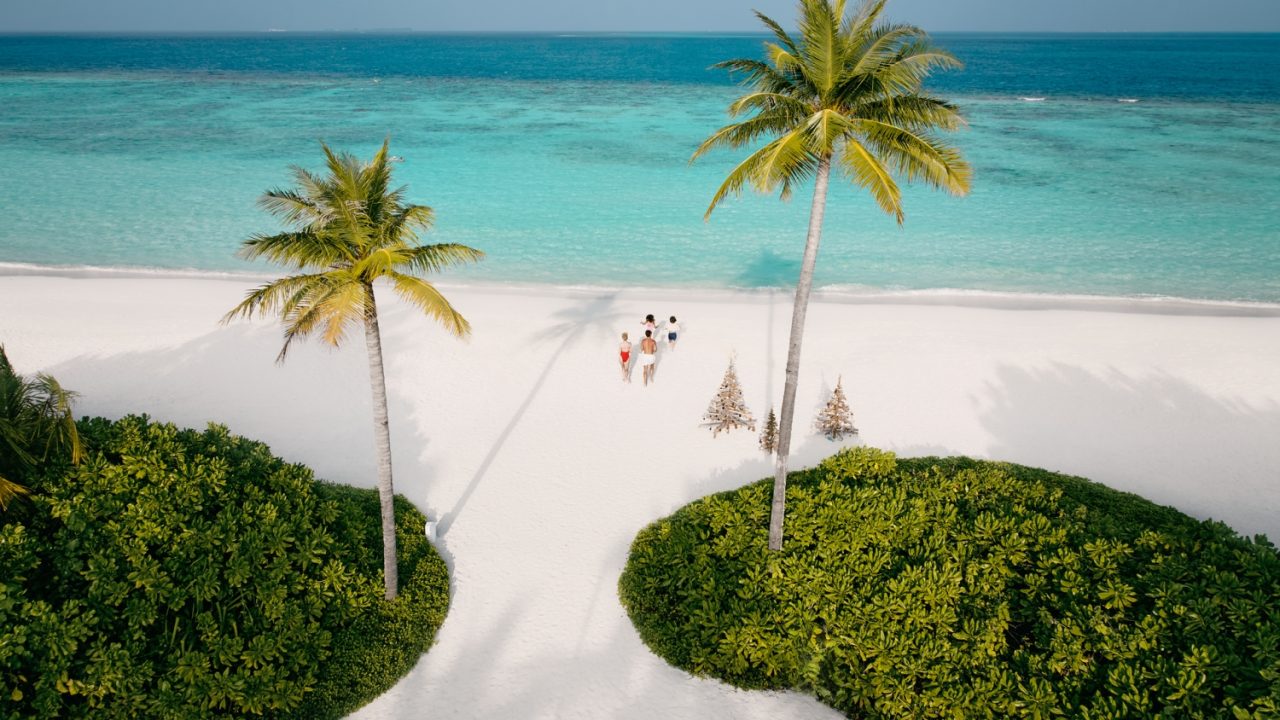
Running from 15 December 2026 to 7 January 2027 under the theme “Tides of Celebration”, the programme will coincide with a wider refurbishment of the resort, including refreshed dining experiences alongside its 67 beach and overwater villas and residences.
For chefs, sommeliers, pastry professionals and food and beverage teams, the festive calendar presents a varied programme ranging from intimate wine-led dinners to New Year and Orthodox Christmas galas, requiring the resort’s culinary operation to move between different styles of service over more than three weeks.
Among the headline events will be An Evening Curated with Krug on 19 December, An Izakaya Evening at Umi Kei on 22 December, Terroir & Tide on 26 December and A Journey of Gaja & Gastronomy on 1 January.
The programme will also feature Maldivian-inspired dining, curated wine pairings, degustation menus and smaller gatherings by the ocean.
Krug opens the wine-led programme
One of the first major culinary events will take place on 19 December with An Evening Curated with Krug.
For a resort culinary brigade, a dinner built around a particular Champagne house requires close collaboration between chefs and the beverage team.
Rather than selecting wine only after the menu has been developed, pairing-led dinners can encourage chefs and sommeliers to work together from the beginning, considering how acidity, texture, richness, temperature and seasoning interact with each wine.
Champagne can work across a broad spectrum of food rather than being restricted to an aperitif. Its acidity and effervescence can complement seafood, fried preparations and dishes with richer sauces, while differences in style and maturity create further possibilities across several courses.
For chefs, the challenge is to ensure the food retains its own identity while allowing the wine to remain central to the experience.
The dinner will also place considerable importance on service. Glassware, serving temperature, bottle handling and the pacing of each course all influence how a wine-led menu is experienced.
That makes coordination between kitchen, sommelier and front-of-house teams particularly important.
Japanese dining at Umi Kei
On 22 December, the festive programme will shift towards Japanese dining with An Izakaya Evening at Umi Kei.
The izakaya format is built around social dining and a sequence of smaller dishes rather than a conventional starter-main-dessert structure.
For culinary teams, that provides scope to work with a range of cooking methods and preparations within the same service, potentially moving between raw, grilled, fried, steamed and other dishes while retaining a common flavour direction.
Izakaya dining also changes the pace of service.
Dishes can arrive progressively and be shared between guests, meaning the kitchen needs to coordinate several smaller preparations rather than sending a traditional course to an entire table at once.
Timing becomes particularly important when hot and cold dishes are being produced simultaneously.
The format can also encourage interaction between food and beverage, with Japanese dining traditionally lending itself to combinations with sake, beer, highballs and other drinks depending on the menu.
For chefs, the appeal lies partly in the freedom to explore individual ingredients through relatively focused dishes while still creating variety across the complete meal.
Terroir meets the ocean
Terroir & Tide, scheduled for 26 December, will continue the resort’s emphasis on food, wine and place.
The title itself places two ideas at the centre of the experience: terroir, or the influence of origin and environment on agricultural products, and the ocean surrounding the resort.
For chefs and sommeliers, that creates a natural framework for discussing provenance.
Modern resort dining increasingly places emphasis on where ingredients and wines come from, how they are produced and how their origin affects flavour.
This is particularly relevant in the Maldives, where a substantial share of ingredients and beverages must travel through complex supply chains before reaching an island kitchen.
A dining experience built around origin allows the F&B team to bring some of that background into the guest experience.
It can also encourage chefs to think beyond technique alone.
The provenance of seafood, vegetables, spices or other products can become part of menu development, while sommeliers can connect dishes to the geography, climate and production methods behind the wines being poured alongside them.
Gaja and gastronomy on New Year’s Day
The resort will begin 2027 with A Journey of Gaja & Gastronomy on 1 January.
The event adds another wine-focused experience to a programme that already places beverage pairing prominently within its festive calendar.
For culinary professionals, events structured around an established wine producer require menu progression to be considered alongside the sequence of wines.
A chef may need to adjust sauce intensity, fat, sweetness or acidity depending on the bottles selected, while portion sizes must allow guests to progress comfortably through several courses and pairings.
Such menus also rely heavily on communication between the kitchen and service team.
If the wine is introduced before a course arrives, timing needs to be precise. If food reaches the table too early or too late, the intended pairing can be compromised.
In a resort environment, where special dinners run alongside regular restaurant operations, this adds another layer of complexity to festive service.
Degustation menus and intimate dining
Beyond the four named events, Jumeirah Olhahali Island will offer degustation menus and intimate dining experiences by the ocean.
Degustation service allows chefs to present a more controlled culinary progression through a sequence of smaller courses.
Unlike a broad buffet or à la carte service, a tasting menu gives the kitchen greater control over how flavours develop during the meal.
Chefs must consider not only the quality of each plate but its relationship to everything that comes before and after it.
Richness generally needs to be managed carefully, while acidity and texture can be used to maintain interest across several courses. Portion sizes, serving temperature and pacing become integral parts of the menu.
For pastry teams, the final stages are particularly important.
Dessert must provide a clear conclusion without becoming excessively heavy after a long sequence of savoury courses. Pre-desserts, petits fours and other smaller preparations can also help structure the transition from savoury cooking into pastry.
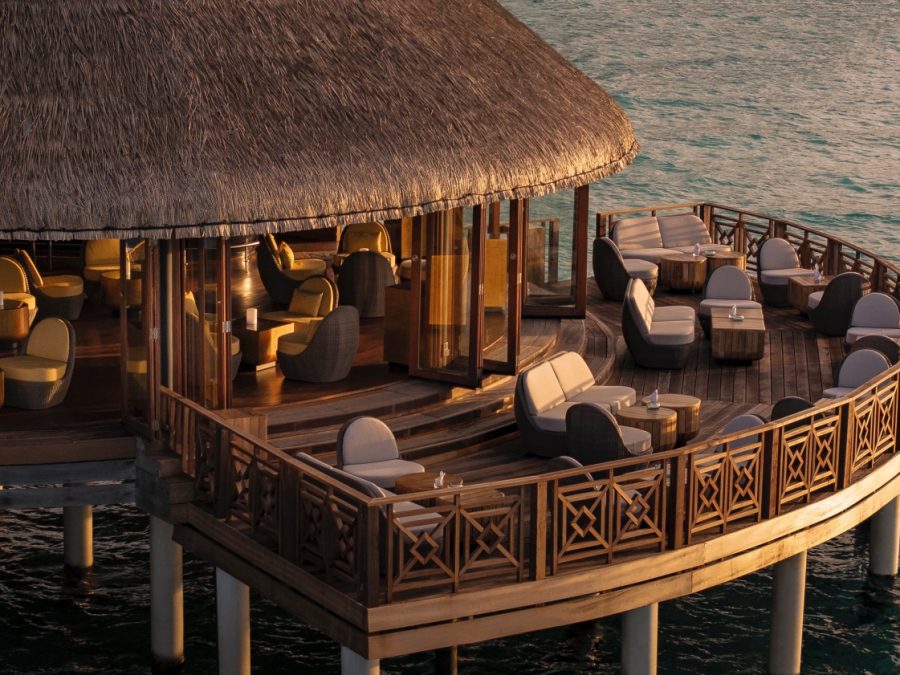
Taking these experiences outside the restaurant and closer to the ocean creates additional operational considerations.
Destination dining requires chefs to think about transportation, temperature, wind, humidity and finishing.
A dish designed for immediate plating in a controlled kitchen may need to be modified when it is served outdoors or at some distance from the main culinary facilities.
Festive galas bring scale to the programme
The intimate culinary experiences will sit alongside much larger festive events.
On 31 December, the Last Sunset Soirée will mark the final sunset of 2026 before guests move into the Starlit New Year’s Eve Gala.
The gala will combine dining with live entertainment as the resort welcomes 2027.
New Year’s Eve is traditionally one of the largest production days of the Maldives resort calendar.
For culinary departments, preparations can involve several days of advance work across hot kitchen, garde manger, pastry and bakery.
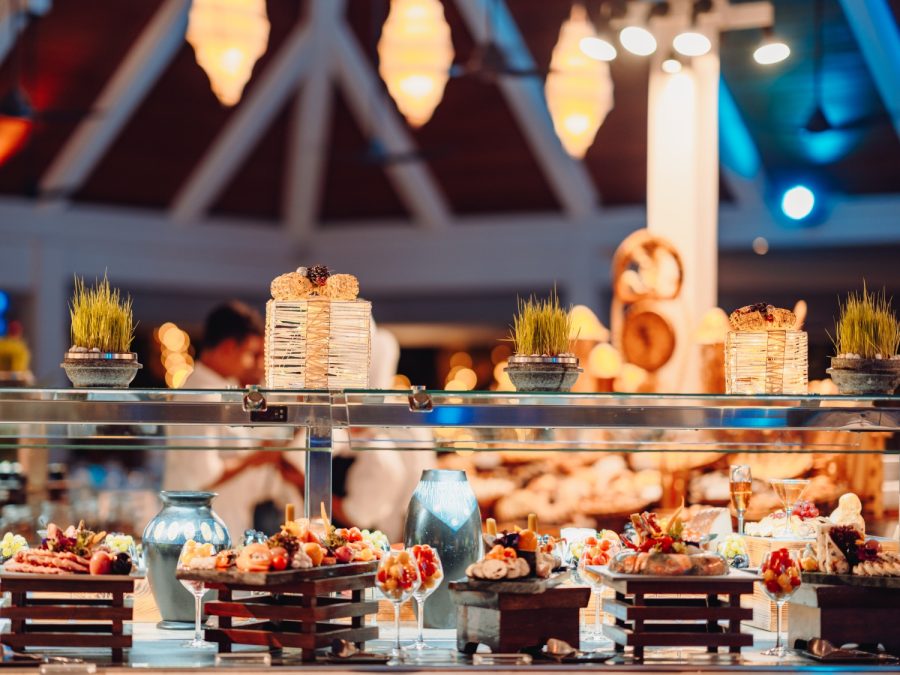
Depending on the service format, chefs may also be responsible for live stations, carving, seafood displays and last-minute finishing.
Pastry teams frequently carry an especially large visual responsibility during gala events, producing desserts alongside decorative pieces, chocolate work, breads, cakes and celebration items.
In the Maldives climate, this work requires careful consideration of heat and humidity, particularly when desserts or decorative pieces are displayed outdoors.
Chocolate, sugar and delicate garnishes need to remain stable while still meeting the visual standards expected for a major festive event.
The celebrations will continue into January, with the Seasonal Oceanside Gala on 6 January marking Orthodox Christmas.
For resort kitchen teams, the extension into Orthodox Christmas means festive operations continue well beyond New Year’s Eve.
Procurement, staffing and menu planning therefore need to cover the full festive period rather than concentrating solely on 24 and 31 December.
Maldivian flavour within an international programme
Maldivian-inspired dining will also form part of “Tides of Celebration”.
For culinary teams operating international luxury resorts, incorporating local cuisine into a festive programme creates an opportunity to present the destination alongside global dining concepts.
Maldivian cuisine is closely connected to the ocean and to ingredients including tuna, coconut and chilli, supported by culinary influences that have travelled through the Indian Ocean over generations.
The challenge for resort chefs is often how to retain those recognisable flavour foundations while presenting them in formats suited to different restaurant settings.
That can mean introducing traditional dishes directly, interpreting familiar flavour combinations through contemporary plating or explaining ingredients through interactive dining.
In a programme that also includes Japanese dining and international wine experiences, the Maldivian component can provide an important connection back to the physical and cultural setting of the resort.
Culinary learning for younger guests
Food will also feature in Jumeirah Olhahali Island’s programme for younger travellers.
The Jumeirah Circle calendar will include culinary workshops, while the Gingerbread Atelier will bring festive baking and decoration into the family programme.
Interactive pastry activities require different planning from normal restaurant production.
Gingerbread needs to be prepared so it retains sufficient structure for decorating or assembly, while icing and decorations must be manageable for young participants.
Food safety and allergens also need to be considered closely in a hands-on environment.
For pastry chefs, these workshops create an opportunity to work directly with guests and demonstrate part of the craft that would normally remain within the pastry kitchen.
They also broaden the role of the pastry department during the festive season, adding education and interaction to an already intensive production schedule.
A refreshed culinary setting
“Tides of Celebration” arrives as Jumeirah Olhahali Island undergoes a full refurbishment.
Alongside its refreshed villas and other redesigned spaces, the resort said the project will include renewed dining experiences.
Changes to restaurant environments can influence much more than aesthetics from an operational perspective.
Kitchen-to-table distances, service flow, bar placement, seating configuration and interaction between guests and chefs can all affect how food is prepared and delivered.
When a dining concept is refreshed, chefs and F&B managers therefore have an opportunity to review not only menus but how the complete experience operates.
For Jumeirah Olhahali Island, the festive programme provides an early platform on which to present that evolving culinary identity.
Across 24 days, the kitchen and beverage teams will move between Champagne-led dining, izakaya service, wine and terroir experiences, degustation menus, Maldivian-inspired cuisine and large festive galas.
The variety reflects the expanding role of resort gastronomy in the Maldives.
Festive dining is increasingly defined not solely by Christmas and New Year buffets, but by specialist events that bring together chefs, sommeliers, local flavours, wine producers and interactive guest experiences.
At Jumeirah Olhahali Island, “Tides of Celebration” will use that approach to make food and beverage a recurring thread throughout the season — from Krug on 19 December and Japanese dining at Umi Kei to Gaja on New Year’s Day and the final Orthodox Christmas gala by the ocean.