Iru Meyzu and Handhu Meyzu lead Oaga Art Resort’s Maldivian festive dining programme
Oaga Art Resort will place Maldivian food culture at the centre of its Christmas and New Year 2026/2027 programme, with two contrasting dining concepts inspired by fishing traditions, local ingredients, island spices and the changing relationship between sunlight and moonlight.
Presented under the theme “Between Two Lights”, the festive season draws inspiration from Hayeh — the brief blue hour between sunset and night — and uses the transition between Sun and Moon to connect food, art, music, storytelling, wellness and ocean experiences.
For chefs and culinary professionals, the programme is notable for the way Oaga is using food not simply as part of its festive entertainment calendar, but as one of the main tools through which Maldivian culture and island history are interpreted for guests.
At the centre of the food programme are Iru Meyzu, or the Sun Table, and Handhu Meyzu, the Moon Table.
The two experiences are built around different moods and different references to Maldivian life.
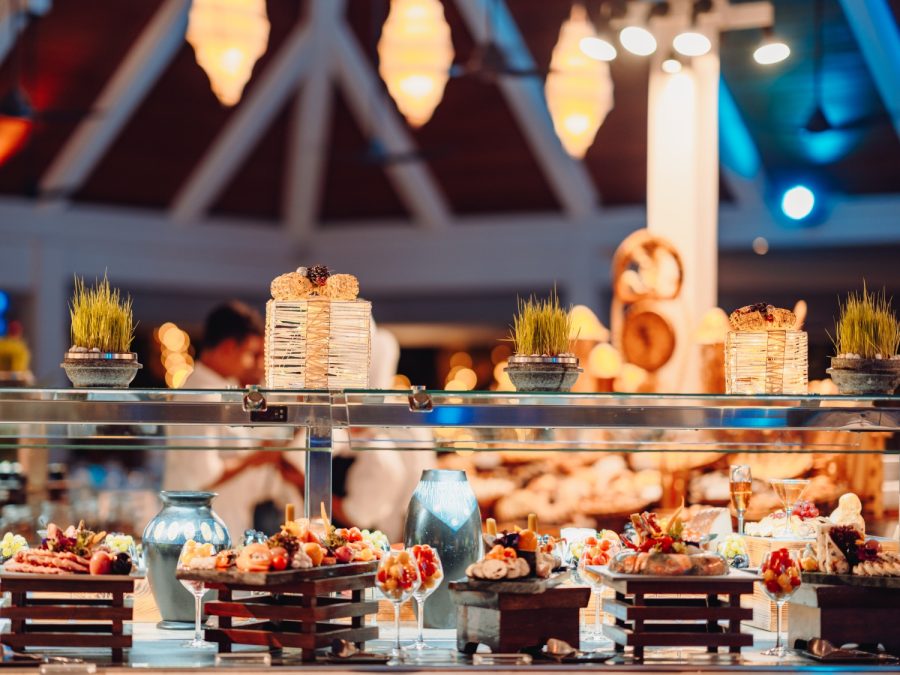
Iru Meyzu is described as a generous Maldivian feast inspired by fishermen returning from the sea. Fresh catch, local produce, island spices and open-fire cooking will form the foundations of the meal.
Handhu Meyzu takes a slower approach, drawing inspiration from night fishing and bringing guests together over candlelight, storytelling and flavours associated with the sea after dark.
Together, the two concepts allow Oaga’s culinary team to present different interpretations of the same island food culture.
Iru Meyzu: food shaped by the return from sea
The Sun Table is grounded in one of the defining relationships within Maldivian cuisine: the connection between the ocean and the kitchen.
For generations, fishing has influenced what is cooked across the islands, how meals are structured and which ingredients have become part of everyday food culture.
At Iru Meyzu, that history is translated into a festive dining experience based around fresh catch, produce, spices and fire.
Open-fire cookery provides a particularly direct format through which to present seafood.
For chefs, fire changes more than cooking temperature. The distance between ingredient and flame, fuel, smoke, surface moisture and timing all affect the final result.
Fish cooked over open heat requires particular attention because the proteins can move quickly from properly cooked to dry. Whole fish, fillets and different species also respond differently to direct heat, making technique as important as seasoning.
Fire can also reinforce the broader storytelling behind the meal.
Instead of separating food production from the dining experience, open cooking makes heat, smoke, aroma and preparation visible to guests, allowing the kitchen process itself to become part of the occasion.
At Oaga, that suits a festive programme built around sensory experiences and cultural storytelling.
The inclusion of island spices and local produce also gives the culinary team an opportunity to build the menu around flavour references familiar to Maldivian cooking rather than treating the feast as a conventional international Christmas dinner.
For chefs working in the Maldives, this approach raises an important question around festive menu development: how can Christmas and New Year dining feel celebratory while still belonging to the destination?
Oaga’s answer is to begin with the island rather than with imported festive imagery.
Handhu Meyzu: the Moon Table
Handhu Meyzu takes the same connection with the ocean in a different direction.
Inspired by night fishing, the Moon Table will be presented as a slower, more intimate dinner shaped by candlelight and storytelling.
Night fishing remains closely associated with Maldivian island life, and its use as the culinary foundation for an evening meal provides chefs with an opportunity to turn a familiar maritime tradition into a structured dining narrative.
Where Iru Meyzu draws energy from the return of fishermen and the directness of open-fire cookery, Handhu Meyzu is designed around a quieter atmosphere.
That distinction is significant from a culinary perspective.
The same broad ingredients — fish, coconut, spice and local produce — can be presented very differently depending on the rhythm of the meal, portion size, service style and sequence of courses.
A slower dinner gives chefs more scope to control pacing and introduce individual flavours gradually. Storytelling can also provide context around ingredients and fishing practices, allowing guests to understand why a dish belongs within the menu rather than encountering it only as food on a plate.
For Maldives resort kitchens, this type of narrative dining can help bridge the gap between traditional food culture and the expectations of an international restaurant audience.
The objective does not necessarily need to be reproducing a domestic dish exactly as it would be served in a local home. It can instead involve preserving recognisable ingredients, flavour structures or culinary references while adapting presentation and service to the setting.
Kaa Kada changes with the light
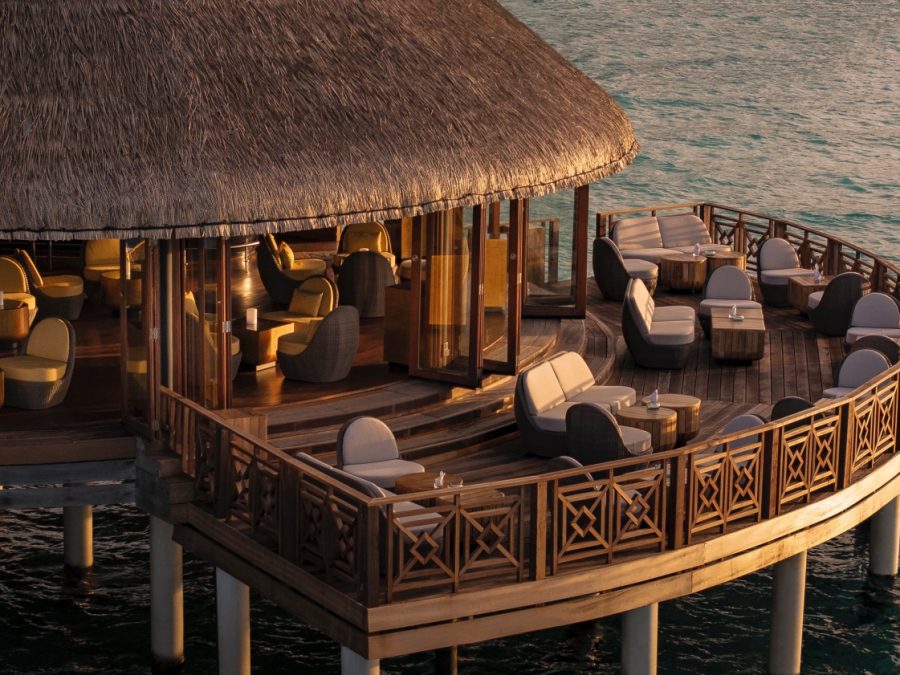
The Sun and Moon narrative will also shape the resort’s Kaa Kada dining venue.
During the day, the space will represent the brighter, more energetic character associated with the Sun. As evening arrives, it will transition into a warmer Moonlit atmosphere.
For food and beverage teams, changing the identity of a venue across the course of a day requires coordination beyond menu development.
Lighting, music, table presentation, service style and food all contribute to how guests interpret a dining space.
A restaurant that operates differently at night may therefore require the kitchen to consider whether evening dishes should also change in weight, preparation and presentation.
Oaga’s concept uses this transition as part of a larger festive narrative rather than treating breakfast, lunch and dinner as unrelated service periods.
From spices to cocktails
The culinary programme will extend beyond formal meals through interactive food and beverage experiences.
Guests will be able to participate in traditional spice making and local ingredient tastings, introducing them to some of the building blocks behind Maldivian flavours.
For chefs, ingredient tastings can be an effective way of communicating cuisine.
A finished dish may contain several ingredients whose individual character is difficult for guests to identify. Presenting products separately allows them to understand aroma, texture and flavour before seeing how those elements are combined in cooking.
Spice-making experiences can also create an opportunity to discuss technique.
Grinding, roasting and combining spices changes their aromatic profile, while the quantities used influence whether a seasoning blend supports or dominates the central ingredient.
For culinary teams presenting local cuisine to international visitors, these workshops can therefore add context that restaurant service alone may not provide.
The beverage programme will include cocktail creation experiences, adding another dimension to the resort’s exploration of island flavours.
Cocktails offer bartenders and chefs an opportunity to work from similar ingredient references.
Coconut, tropical fruit, spices, herbs and other locally relevant products can potentially appear in both dishes and drinks, allowing a flavour story to continue from kitchen to bar.
For food and beverage operations, this type of shared ingredient language can help create a stronger identity across different venues.
Christmas around a shared table
Oaga’s Christmas programme will move away from recreating a conventional winter-themed celebration and instead draw on the way island communities traditionally gather.
The resort describes the occasion through the idea of one shared light and one long table, bringing together food, stories, music and people.
For chefs, communal dining changes the relationship between guest and meal.
Rather than serving each table as an isolated unit, long-table dining creates a shared experience in which presentation, serving style and menu structure can encourage interaction.
Large platters, shared dishes and family-style service can all support this format, although they also require careful planning around portioning, replenishment and dietary requirements.
In a resort with international guests, the kitchen must also ensure that communal dining remains accessible to diners with different dietary restrictions and preferences.
Oaga’s approach places Maldivian ideas of gathering at the centre rather than adding local elements around an otherwise imported festive format.
That philosophy is consistent with the wider “Between Two Lights” concept, which uses Maldivian stories and cultural references as the starting point for the celebration.
A culinary story rooted in movement
The broader narrative draws on the Maldives’ history as a country shaped by movement across the Indian Ocean.
People, traders, fishermen and travellers moved between islands and regions, carrying ingredients, techniques and stories with them.
Oaga connects this history with Kula Sudha Ira, the descendants of Sun and Moon, using the story to explore the meeting of different worlds.
For culinary professionals, this connection is particularly relevant because cuisine itself develops through movement and exchange.
The food of an island nation does not evolve in isolation.
Trade, migration, geography and access to ingredients all influence what people cook. Spices arrive through trade routes. Preservation techniques develop in response to climate and supply. Fishing practices determine which seafood becomes part of everyday diets.
By linking food with a wider story of movement, Oaga gives its chefs a framework within which individual dishes can be connected to something larger than the restaurant.
Food as part of Maldivian creative expression
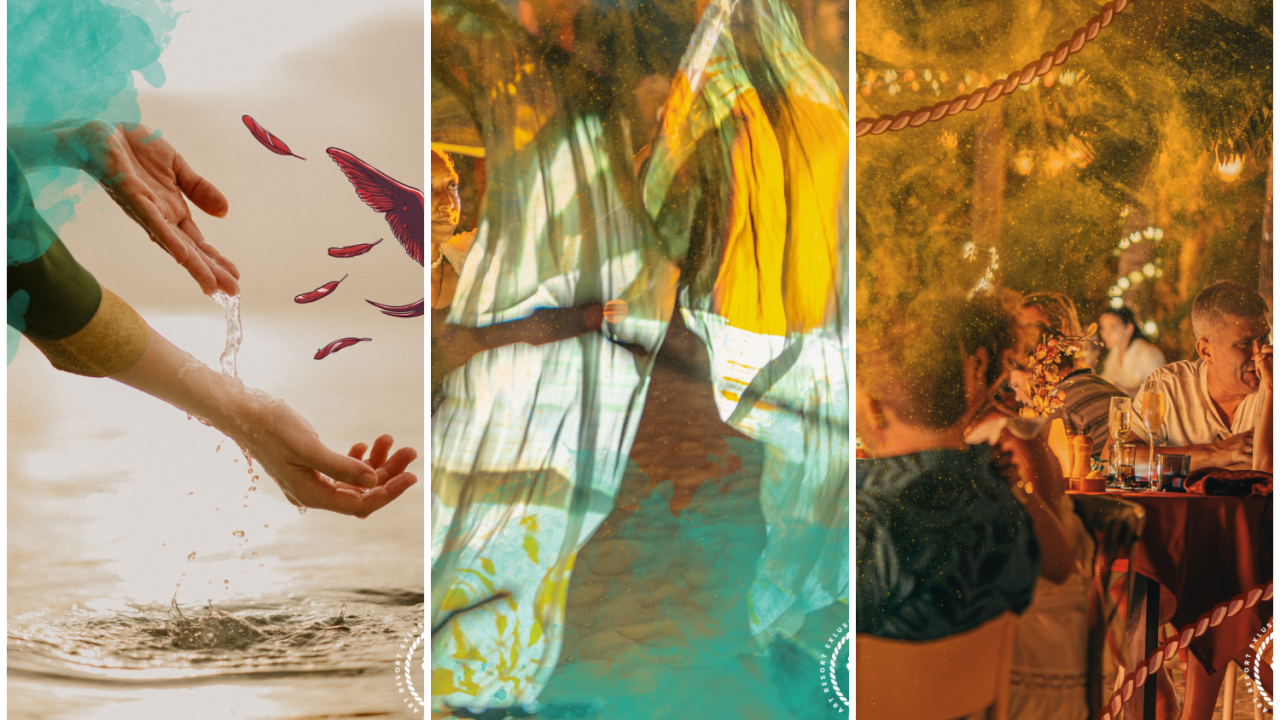
“Between Two Lights” will bring cuisine together with the work of Maldivian artists, musicians, performers and makers through Oaga’s Suvāsthi programme.
Boduberu Fusion Nights, live mural art, storytelling, digital art, movement and original performances will take place across the season.
This places the kitchen within a broader creative environment.
For chefs, there is a useful parallel between culinary work and the other disciplines being presented.
A chef working with Maldivian ingredients is also interpreting culture through a creative medium. Decisions around technique, presentation and flavour determine whether a traditional reference is reproduced, adapted or transformed.
That responsibility becomes particularly important when the audience may have little previous knowledge of Maldivian cuisine.
Food can become one of the most immediate ways through which guests encounter local culture.
Unlike a performance that may last for an hour or an exhibition that is viewed from a distance, a dish involves taste, smell, touch and memory simultaneously.
The culinary programme therefore has a considerable role in determining how guests understand Oaga’s wider cultural narrative.
From sea to table
Ocean experiences will run alongside the food programme through Hoara X, Oaga’s activities concept inspired by the movement of the frigate bird between sky and sea.
Traditional fishing, sunset journeys, Boduberu at sea and moonlit ocean experiences will all be part of the festive calendar.
The programme will also mark Iruvai Foarion National Fisherman’s Day.
For chefs, bringing fishing traditions into the guest experience can create a clearer connection between seafood on the menu and the communities and practices behind it.
In resort kitchens, fish can easily become another procurement item arriving through the supply chain.
Experiences that explain how Maldivians fish and how the ocean has shaped food culture can restore some of that context.
This is particularly relevant when culinary teams are trying to present local cuisine in a meaningful way.
A seafood dish has a stronger story when the guest understands why fishing matters to the Maldives, how it has shaped livelihoods and why particular preparations developed.
A sandbank extension
For one day during the programme, the celebration will extend beyond the resort to a nearby sandbank through the Deserted Day Club.
Food and drinks will accompany music, movement and ocean activities in the temporary island setting.
From an operational perspective, taking an F&B experience away from the resort’s permanent infrastructure introduces different demands.
Ingredients and equipment must be transported, food safety maintained, chilled products held at the correct temperature and waste returned responsibly.
Menus also need to be appropriate for the conditions.
Dishes that depend heavily on last-minute finishing or delicate presentation may be less suited to a remote sandbank than preparations designed specifically for outdoor service.
For kitchen and beverage teams, destination experiences such as this therefore require logistical thinking to become part of menu development from the beginning.
New Year through the Blue Hour
New Year’s Eve will begin in the Moon phase of Oaga’s story before moving into “The Blue Hour”, combining live music, performance, visual art and Maldivian creative voices.
As midnight approaches, the Moon gives way to fire and the programme moves into the first light of 2027.
For the culinary team, New Year’s Eve represents another opportunity to translate the resort’s narrative into food and beverage rather than treating the gala simply as a standalone annual event.
The transition from stillness to celebration can potentially be reflected through service pacing, flavour intensity, cocktails and the way dining moves into the midnight programme.
It also comes at one of the most operationally demanding points of the resort year, requiring kitchen, pastry, bar and service teams to balance storytelling with the realities of high-volume festive production.
A local approach to festive gastronomy
What distinguishes Oaga’s programme is its decision to build the festive story around Maldivian references rather than position local culture as an additional activity within a largely international celebration.
That approach is particularly relevant for chefs working in the Maldives.
Resort kitchens routinely operate across cuisines from around the world, reflecting the international profile of their guests. Yet there is also growing scope for culinary teams to present Maldivian food with the same level of development, storytelling and experiential design applied to other cuisines.
Iru Meyzu and Handhu Meyzu demonstrate two ways of doing that.
One uses the energy of fishermen returning from the sea, local produce, spice and open fire. The other uses night fishing, candlelight and slower storytelling.
Both begin from a recognisably Maldivian context while allowing the chefs to interpret it for a contemporary resort audience.
Traditional spice making, ingredient tastings and fishing experiences extend that story beyond the finished plate.
For the Maldives culinary community, the result is an example of how festive programming can become an opportunity to showcase local food culture rather than temporarily set it aside.
At Oaga Art Resort, “Between Two Lights” will use the changing relationship between Sun and Moon to connect cuisine with art, fishing, music and island stories.
For its chefs and food and beverage teams, the task will be to turn those ideas into something guests can taste — from fish over open fire at the Sun Table to the quieter flavours of the Moon Table, and from traditional spices to cocktails and shared Christmas dining.
In that sense, food becomes more than another part of Oaga’s festive programme. It becomes one of the principal ways through which the story of the island is told.