Baros Maldives unveils festive culinary programme with sake pairings, omakase and tuna carving
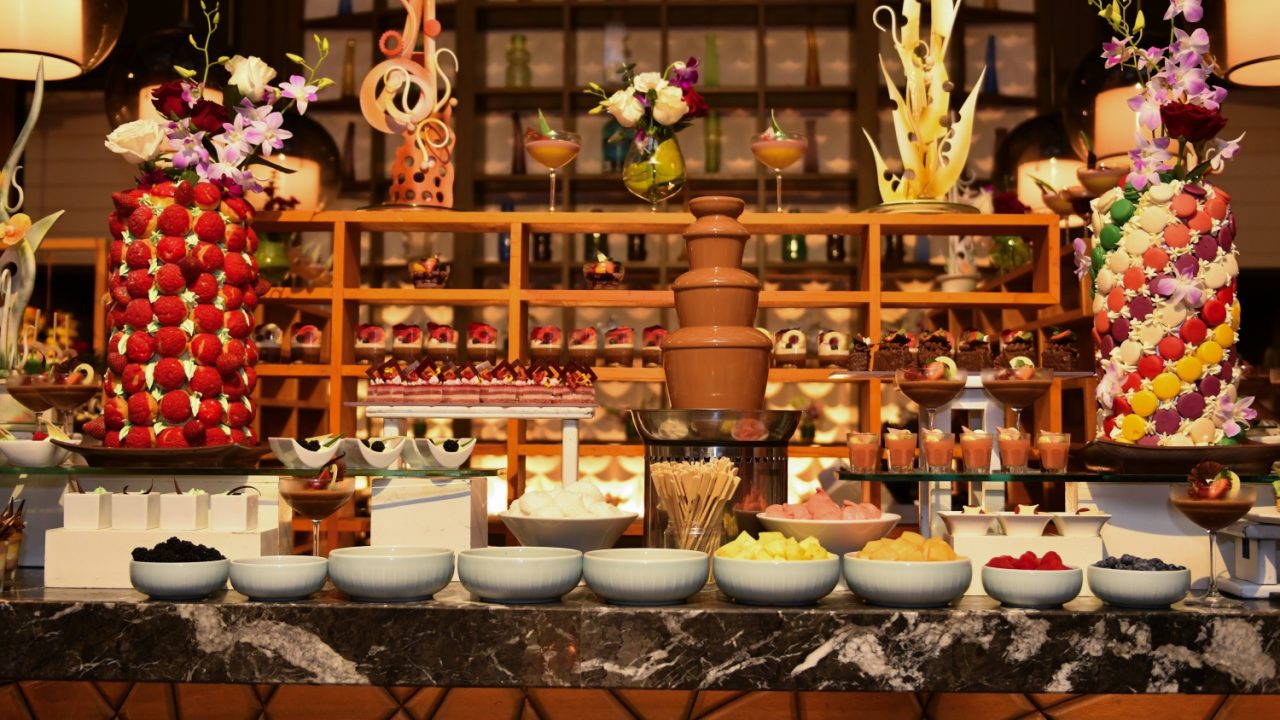
Baros Maldives will place gastronomy at the centre of its festive season from 22 December 2026 to 7 January 2027, with a culinary programme spanning sake and Champagne pairing dinners, omakase, tuna carving, Maldivian cooking, cocktail workshops and Christmas and New Year gala dining.
The programme will combine the resort’s food and beverage offering with experiences inspired by the ocean, Maldivian heritage and island life, giving its culinary teams a wide range of formats through which to present both local and international flavours.
Among the interactive culinary experiences planned for the season is an Ocean, Coconut & Spice cooking class, introducing guests to ingredients and flavours associated with Maldivian cuisine and the wider Indian Ocean region.
For chefs, such classes provide an opportunity to move beyond restaurant service and explain the techniques, ingredients and cultural context behind a cuisine. Coconut in particular remains fundamental to Maldivian cooking, appearing in preparations ranging from grated coconut and coconut milk to sauces and accompaniments, while seafood and spices continue to shape much of the country’s culinary identity.
The festive calendar will also include a Christmas cookie workshop, giving the resort’s pastry and bakery teams a guest-facing role during the celebrations.
Cookie workshops have become a regular component of festive programming at resorts, particularly for families, but they also require careful preparation behind the scenes. Dough consistency, baking schedules, decoration materials and presentation must all be planned to create an activity that is accessible to guests while maintaining professional standards.
Baros will extend its culinary programming into Japanese dining through an Omakase tasting lunch and a Sake Pairing Dinner.
Omakase, which places menu selection in the hands of the chef, allows a culinary team to structure a meal around seasonality, ingredient quality and progression rather than a conventional à la carte format. It also places greater emphasis on timing, preparation and the interaction between chef and diner.
The accompanying sake-focused programme will bring beverage pairing into the experience. Matching sake with food requires consideration of elements such as acidity, sweetness, umami, serving temperature and the weight of each dish, making coordination between the kitchen and beverage team central to the final menu.
Another highlight will be a Master Chef Tuna Carving Show & Tasting.
Tuna holds particular relevance in the Maldives, both culturally and within the country’s food economy. A live carving demonstration gives chefs an opportunity to showcase butchery skills while introducing guests to the different cuts and potential culinary applications of the fish.
From a professional perspective, tuna breakdown involves precision, knife control and an understanding of yield. Different sections can be allocated to raw preparations, grilling, searing or other applications, while effective utilisation is important for both food cost management and waste reduction.
The demonstration and tasting format also turns a normally behind-the-scenes kitchen skill into part of the guest experience.
Meat preparation will receive its own focus through a Butcher’s Block buffet, while other evenings will take a more structured fine-dining approach.
A Great Gatsby-themed five-course dinner will form part of the programme, giving the culinary team the opportunity to develop a sequential menu around a defined event concept.
Five-course menus demand attention to progression, portioning and balance across the meal. Richness, acidity, temperature and texture must be considered not only within individual dishes but across the menu as a whole, while pastry teams must ensure dessert provides an appropriate conclusion rather than competing with earlier courses.
A Champagne Dinner inspired by the Seven Seas will add another pairing-led experience to the festive calendar.
Champagne pairing can require particularly close collaboration between chefs and sommeliers. Acidity, effervescence and styles ranging from brut to richer or aged expressions can influence how dishes are developed, while seafood, delicate sauces and certain fried or textural preparations can lend themselves particularly well to sparkling wine.
The Seven Seas concept also gives the kitchen scope to build a menu around seafood and different maritime culinary influences.
Baros will further expand its beverage programme through wine discovery experiences, cocktail-making sessions and an Island Crafted Cocktails concept.
For bartenders and chefs, island-inspired cocktails provide room for collaboration around fresh ingredients, garnishes, syrups, spices and produce already being used elsewhere within the kitchen. Such coordination can support both flavour development and more efficient ingredient utilisation across the food and beverage operation.
Christmas Eve will be one of the principal service periods of the programme.
Guests will first gather at The Lighthouse for a cocktail reception before moving to Lime for the Christmas Eve Gala Dinner.
For culinary brigades, gala dinners are among the most demanding services of the festive calendar. They require extended preparation across hot kitchens, garde manger, pastry and bakery, combined with careful scheduling for service, replenishment and presentation.
The transition from a pre-dinner reception at one venue to a gala at another also requires close coordination between culinary, bar and front-of-house teams.
Christmas Day will continue with breakfast and a broader programme of festive and island activities.
New Year’s Eve will follow a similar large-scale operational format, beginning with a cocktail reception before the resort hosts its Gala Dinner and countdown to 2027.
The culinary programme will continue into the new year rather than ending after midnight.
New Year’s Day will begin with a celebratory brunch, giving the kitchen team another distinct service format after the previous evening’s gala.
Brunch requires a broad culinary spread, often combining breakfast cookery, bakery, cold preparations, hot dishes, desserts and live stations. Following the demands of New Year’s Eve, it also requires detailed staffing and mise en place planning to ensure a smooth transition into the first service of the year.
Later, Baros will host a beachfront degustation dinner accompanied by live violin and saxophone performances.
Degustation menus offer chefs an opportunity to present a more controlled progression of smaller courses, placing particular attention on pacing, plating and the relationship between each dish.
The beachfront setting introduces another operational consideration. Serving a multi-course menu outside a conventional restaurant environment requires careful planning around food temperature, transportation, finishing, service timing and weather conditions.
Families will also be included in the culinary programme. Younger guests will be invited to take part in mocktail-making and Christmas cookie workshops alongside other island-based activities.
Mocktail sessions give beverage teams an opportunity to introduce children to flavour combinations and drink preparation without alcohol, using elements such as fruit, herbs, spices and house-made syrups.
The wider festive programme will also feature an Island Christmas Market and Maldivian Heritage Evening, helping place local culture alongside the resort’s international culinary experiences.
Beyond food and beverage, Baros will offer marine excursions, wellness sessions, live music and recreational activities. Guests will be able to explore the house reef with the resort’s marine team, join sunrise and twilight fishing excursions, take part in dolphin cruises or sail aboard Nooma at sunrise.
Private yacht excursions and visits to local islands and Malé will also be available.
For the culinary team, however, the festive schedule represents a particularly diverse operational programme. Across just over two weeks, the resort will move between cooking demonstrations, pastry workshops, seafood butchery, pairing menus, themed multi-course dinners, gala services, brunch, beverage education and destination dining.
That variety reflects the increasingly broad role played by resort chefs during the Maldives festive season.
Rather than focusing solely on large Christmas and New Year buffets, festive programmes now often require chefs to deliver intimate tasting menus, interactive classes, culinary demonstrations and collaborative beverage experiences alongside everyday restaurant operations.
At Baros Maldives, the 2026 festive calendar will use that diversity to connect international dining formats with Maldivian ingredients, island culture and the surrounding marine environment, giving gastronomy a central role in the resort’s Christmas and New Year celebrations.