
Dinner Rush: Inside a Resort Kitchen During Service
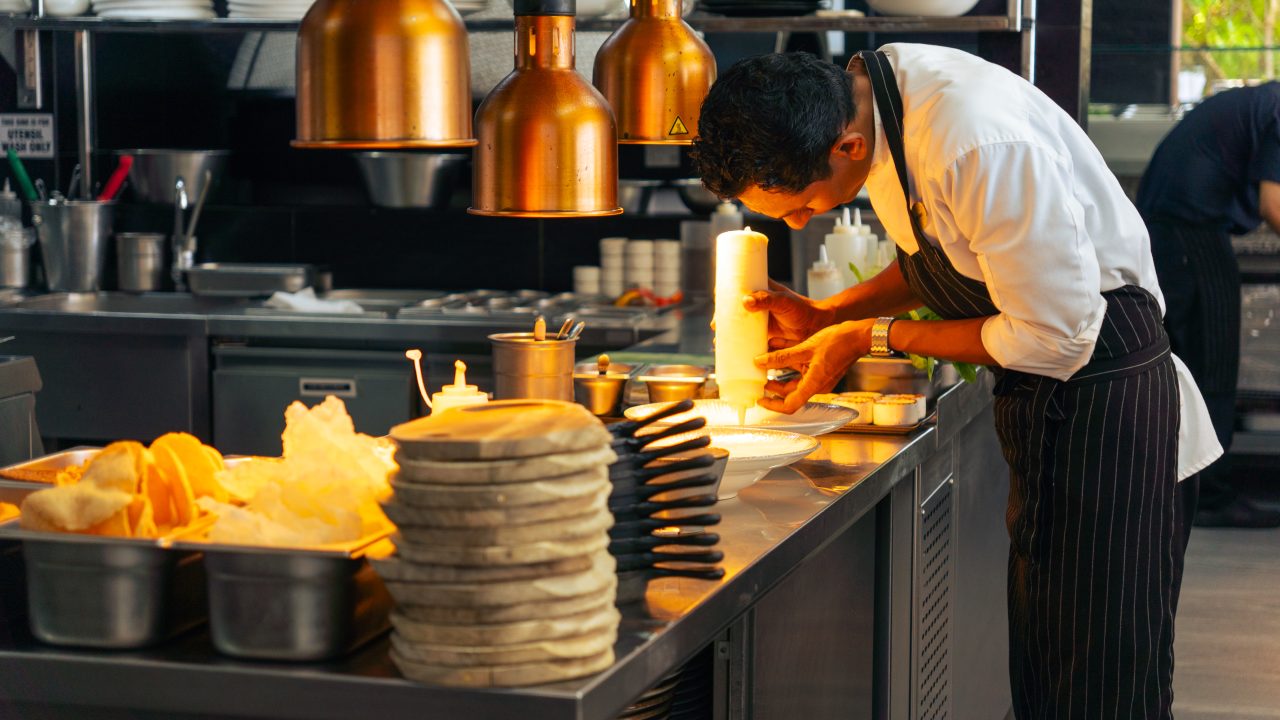
Before the first dinner order reaches a resort kitchen, much of the meal’s preparation is already complete. Stocks have been made, vegetables cut and ingredients portioned. As guests take their seats, the task shifts from preparation to coordination: bringing together the work of several people so that each dish reaches the table when it should.
Dinner service tests how well that work has been organised. Chefs must manage cooking times, servers must communicate requests, and stewards must keep equipment moving. Across dozens of dishes, a delay in one area can affect the pace of the entire kitchen.
The groundwork begins with mise en place. Each section prepares the ingredients and equipment it needs for the menu. Sauces are checked, garnishes replenished and portions counted. Preparation lists help the team identify shortages before orders arrive, while recipes and portion guides provide a reference for consistency.
In island resorts, stock planning also has to account for delivery schedules. A shortage during service may have to be managed with ingredients already available in the kitchen.
A briefing brings the kitchen and service teams together before the dining room fills. Reservations, dietary requirements, celebrations and menu availability all influence the plan. A group booking may require several courses to leave together, while a family may request children’s meals ahead of the adults’ starters.
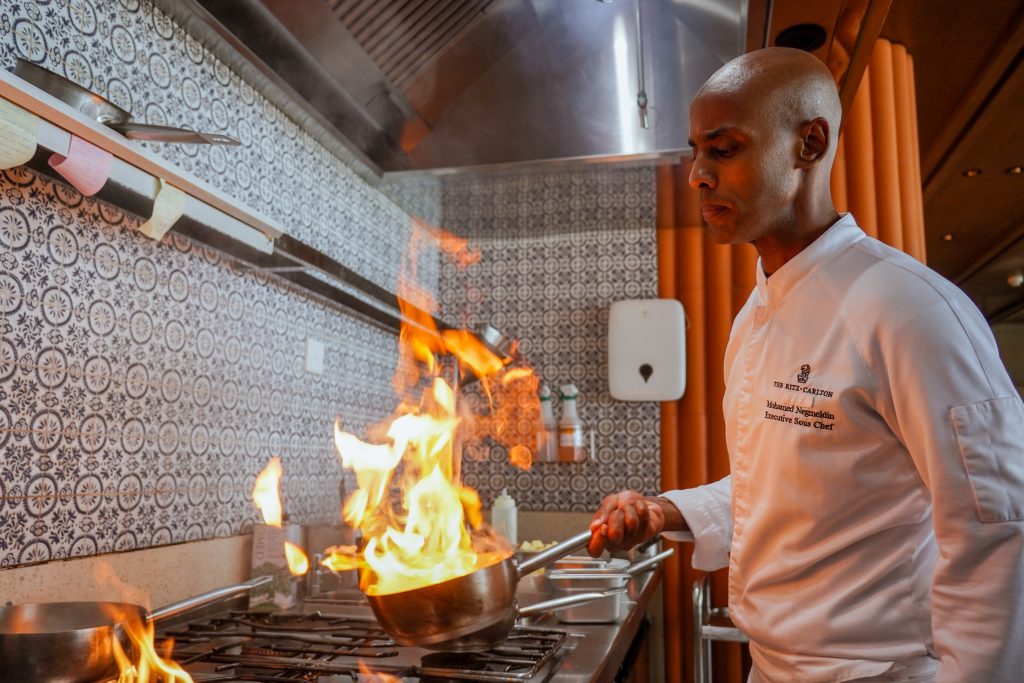
Responsibility is divided across the brigade. The executive chef oversees the culinary operation and its standards, while a chef de cuisine or sous chef may lead a particular service. Section chefs manage their stations, with commis chefs supporting preparation, cooking and replenishment.
The arrangement depends on the size of the team and the restaurant’s format. In a smaller kitchen, one chef may cover several tasks. In a larger operation, separate sections may handle starters, grills, sauces and pastry. Whatever the structure, each person needs to understand where their responsibility begins and when to ask for support.
Once orders arrive, the pass becomes the point of coordination. Here, the chef overseeing service reads or monitors tickets, communicates requirements and checks progress across the sections. Acknowledgements matter: an instruction only helps if the person responsible has received and understood it.
Timing connects the stations. Fish, meat and vegetables do not necessarily take the same time to cook. The team works backwards from when a table’s dishes need to leave, allowing for cooking, resting and plating. Updates from the dining room help determine when the next course should begin.
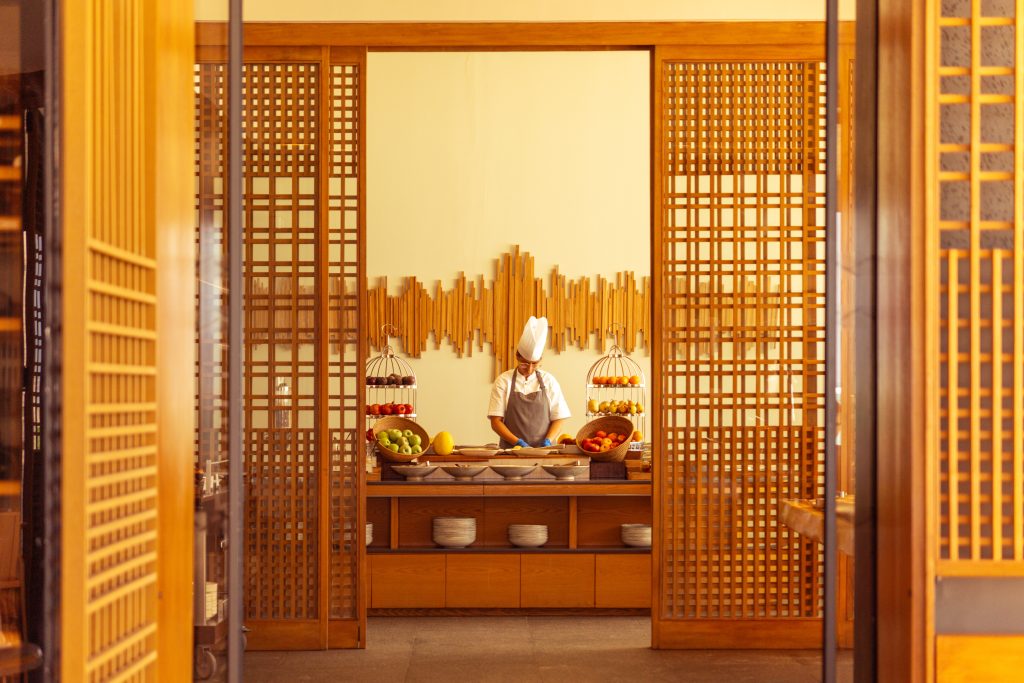
For buffet service, the rhythm is different. Chefs monitor demand, replenish dishes and manage cooking at stations where guests order directly. The challenge is to maintain availability and quality without preparing more than the service requires.
Commis chefs help keep this movement going. Fetching ingredients, preparing accompaniments and noticing that a garnish is running low can prevent interruptions. Their work also requires judgement: knowing which task needs attention first and when a shortage must be reported to the section chef.
Stewards support the same process through the wash area. Pans, utensils, crockery and equipment must be cleaned and returned to use. When several sections need equipment at once, communication helps establish priorities and keeps the cooking line supplied.
Pressure often builds through several demands arriving together. A table changes an order, a dish takes longer than expected, or an ingredient runs out. The response depends on making the problem known before it affects more orders.
A change to a guest’s meal needs to reach everyone involved. The kitchen checks what can be prepared, records the revision and considers its effect on timing. The server confirms the arrangement with the guest. Where an allergy is involved, the request requires the kitchen’s allergen procedures, including checking ingredients and controlling cross-contact.
When a menu item becomes unavailable, the floor team needs to know immediately. Continuing to accept orders creates delays and leaves servers explaining changes after guests have made their choices. Keeping availability information current helps both teams manage expectations.
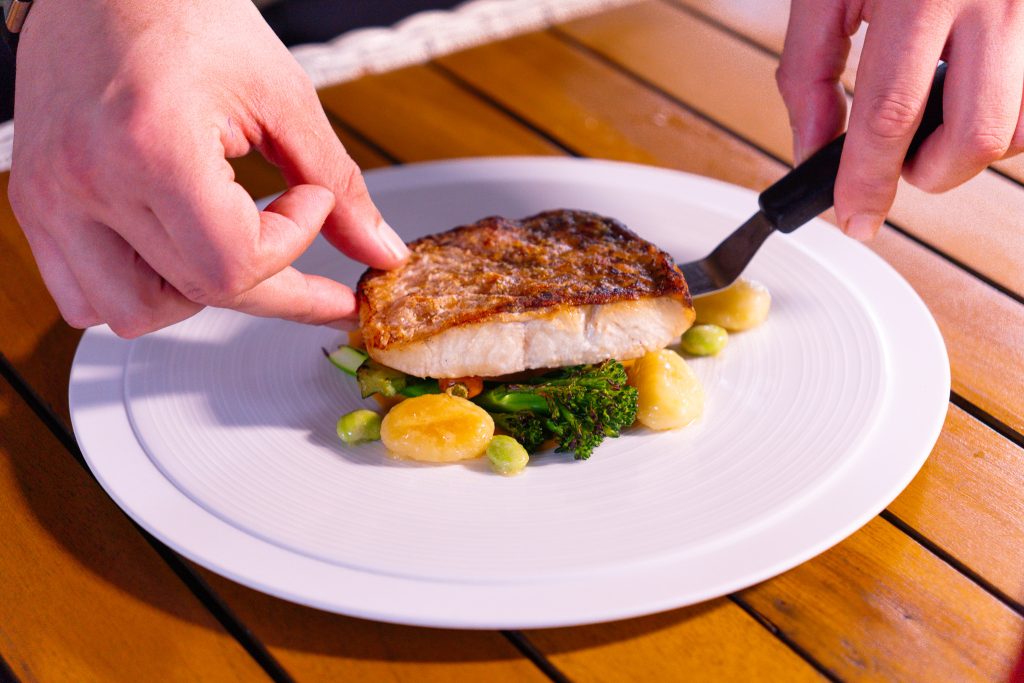
Consistency remains part of the work throughout service. Before dishes leave the pass, they are checked against the order and the restaurant’s standards. Portions, accompaniments, temperature and presentation all require attention. If something needs correcting, the team addresses it before releasing the plate.
As the dining room begins to empty, the kitchen still has work under way. Desserts, outstanding courses and requests from remaining tables need the same coordination as the first orders. Sections can begin resetting only when this will not interfere with service.
After the final dishes leave, attention turns to cleaning, storage and preparation for the next shift. The team records shortages, reviews delays and updates preparation lists. These observations help identify whether a problem came from planning, communication, equipment or the way tasks were allocated.
For the guest, these decisions become a meal served at the expected pace, with requests understood and dishes arriving together. Behind that experience is the combined work of chefs, commis, stewards and servers. Dinner service succeeds when each person has the information, equipment and support needed to complete their part.