St. Regis Maldives marks 10th anniversary with ‘Chapter X’ festive culinary programme

The St. Regis Maldives Vommuli Resort will mark its 10th anniversary with a festive programme built around dining, wine, culinary showcases and the natural character of Vommuli Island, as the resort prepares for Christmas and New Year celebrations from 20 December 2026 to 7 January 2027.
Presented under the theme “Chapter X: Celebrating 10 Years Through the Island’s Story”, the programme will use Vommuli’s four ecological zones — Lagoon, Beach, Jungle and Coast — as the framework for a calendar spanning gastronomy, culture, family activities, wellbeing and entertainment.
For chefs, pastry professionals, sommeliers and food and beverage teams, the programme is notable for the way it links dining with the physical environment of the island rather than treating festive cuisine as a standalone series of meals.
Ocean-inspired dining, gala dinners, wine journeys and immersive culinary showcases will form part of the celebrations, with each experience contributing to a wider narrative around the resort’s first decade.
Gastronomy shaped by Vommuli Island
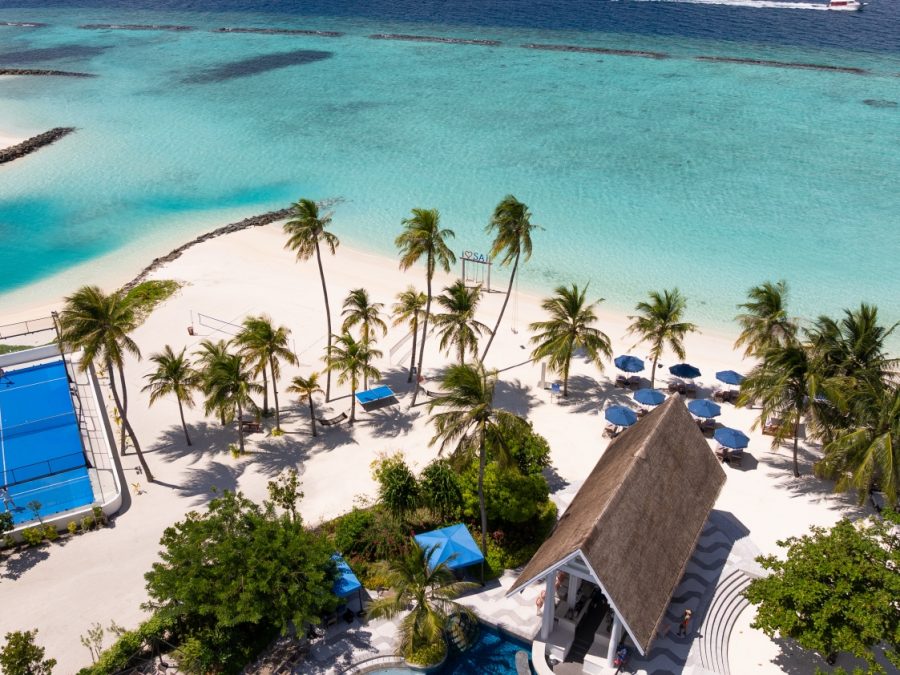
The resort’s four ecological zones provide the principal structure for “Chapter X”.
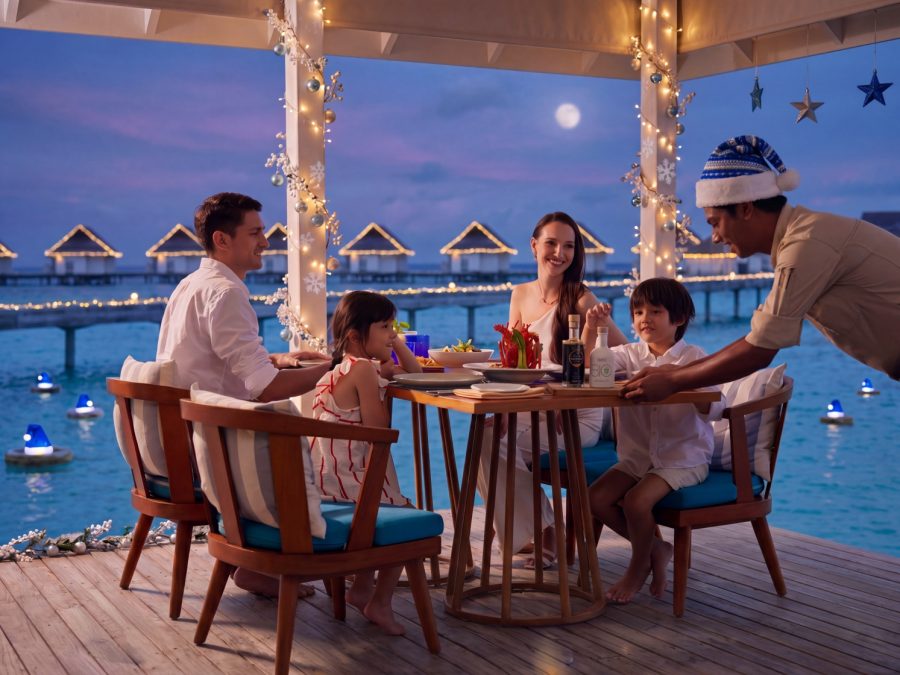
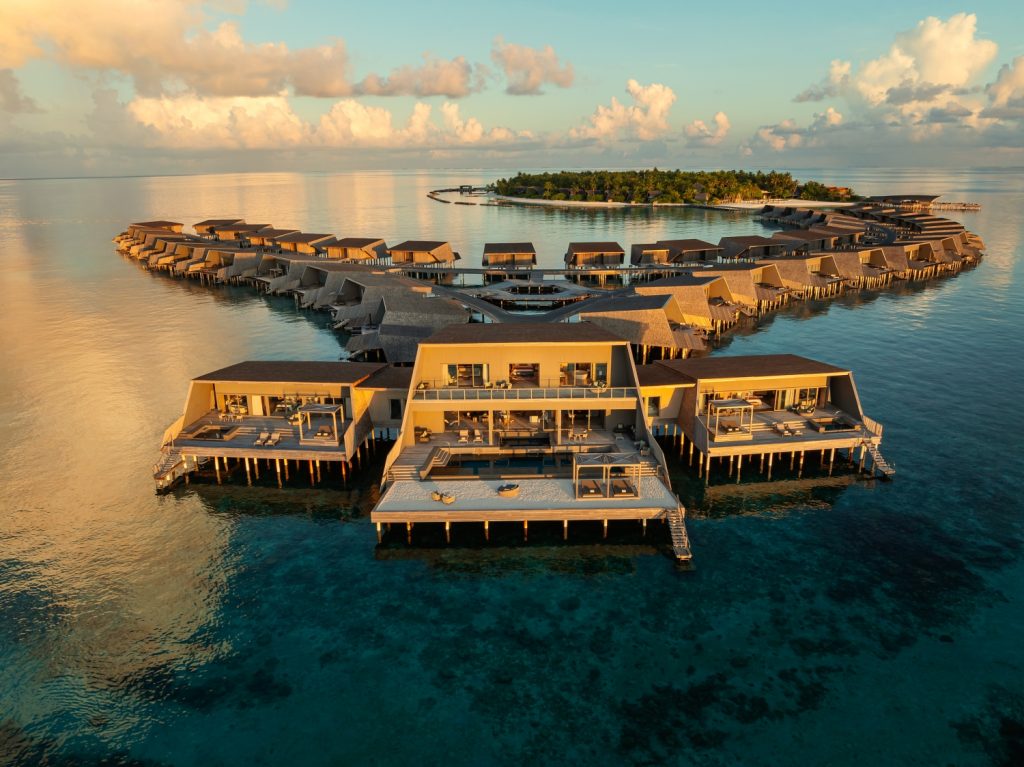
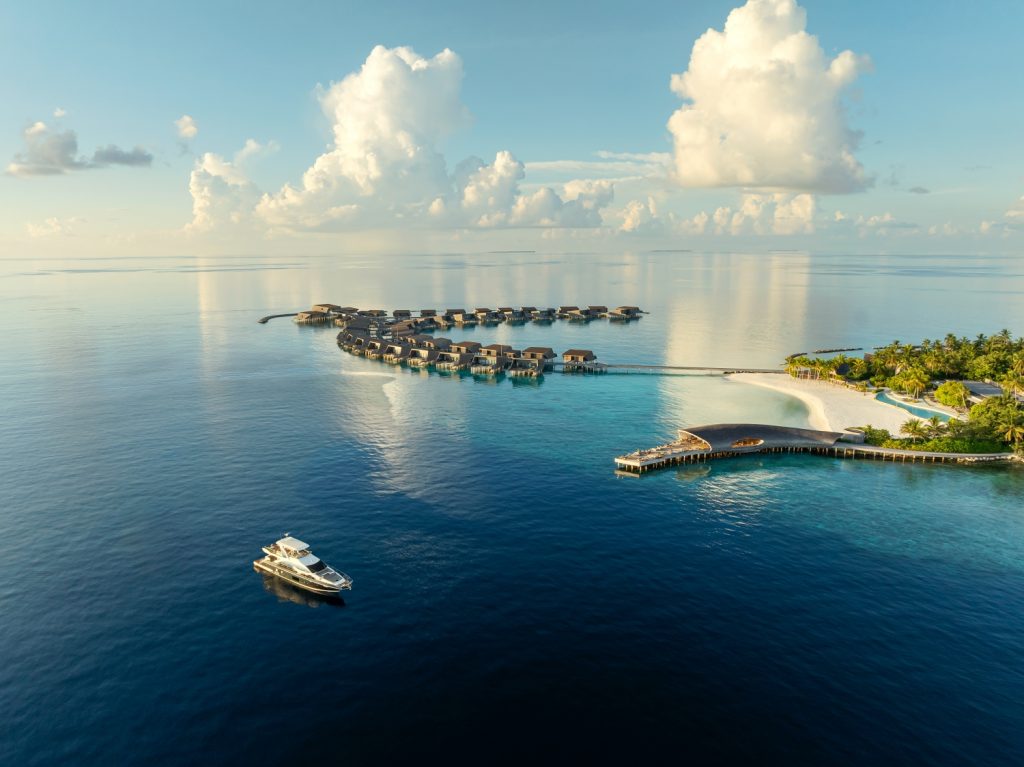
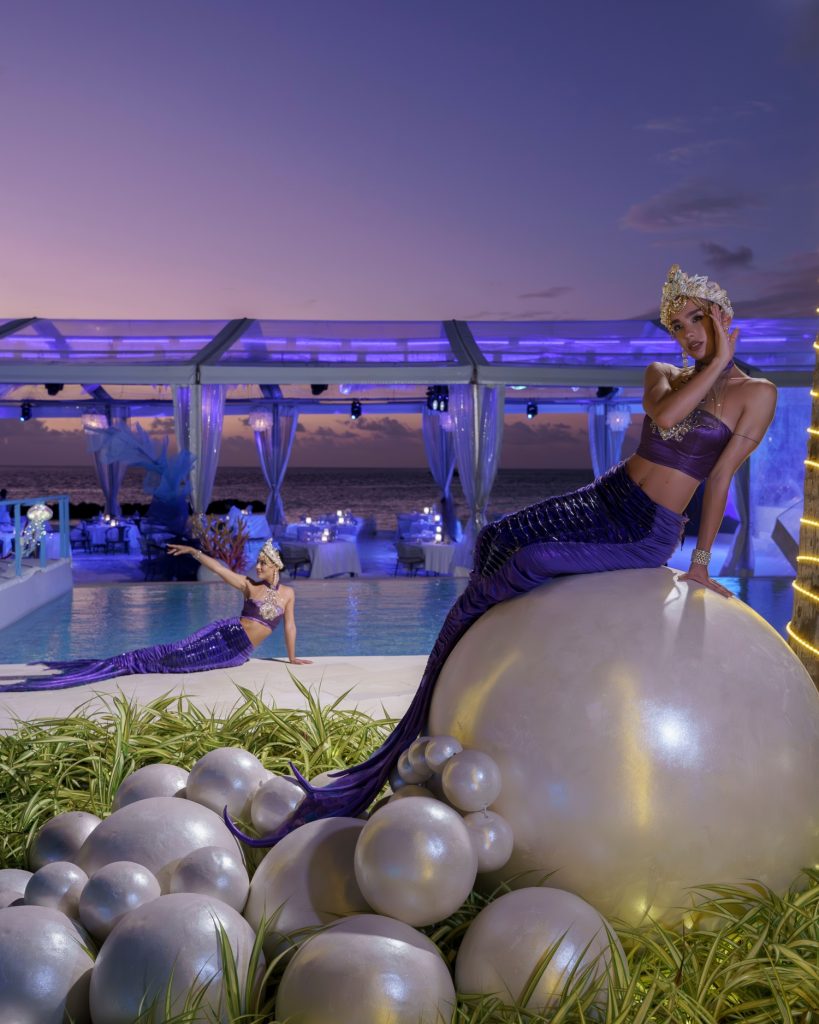
Within the Lagoon Zone, the ocean and the resort’s overwater architecture become the backdrop for sunset gatherings and ocean-inspired dining.
For culinary teams, such an approach creates an opportunity to build menus around the setting rather than beginning solely with the event format.
Seafood, lighter preparations and dishes influenced by the surrounding marine environment can work naturally within a lagoon setting, while service style, plating and beverage selection can reinforce the relationship between food and place.
Destination-led dining also places additional responsibility on the culinary brigade.
When guests are eating in an environment dominated by ocean views and open-air architecture, the menu needs to complement that experience rather than feel disconnected from it.
The most successful island dining concepts often achieve this through restraint — allowing ingredients, location and presentation to work together rather than relying on excessive complexity.
At The St. Regis Maldives Vommuli Resort, the Lagoon Zone provides one of the clearest opportunities for chefs to translate the resort’s physical surroundings into the festive programme.
Beach traditions and Maldivian coastal life
The Beach Zone will draw inspiration from Maldivian coastal traditions and the fishermen’s huts that once lined island shores.
This part of the programme places local heritage within the wider festive story.
For chefs, the connection is especially relevant because Maldivian food culture is deeply tied to fishing and the sea.
Tuna, coconut, chilli, lime, onion and spices form some of the most recognisable foundations of local cuisine, while fishing traditions have shaped both everyday cooking and the social life of island communities.
A festive programme inspired by coastal life gives the culinary team an opportunity to introduce those references within an international luxury resort setting.
That does not require every dish to reproduce a traditional recipe exactly.
Instead, local ingredients, cooking methods or flavour combinations can be integrated into a broader festive menu while still retaining a clear Maldivian identity.
For guests, this can provide a stronger connection with the destination than a Christmas or New Year dinner based entirely on imported festive traditions.
For chefs, it raises a broader professional challenge: how to present local food with the same attention to technique, plating and storytelling applied to international fine dining.
Gala dinners remain key festive occasions
The festive calendar will include gala dinners as some of its principal culinary events.
Although the resort has not yet published detailed menus, such occasions are among the most demanding services of the year for any resort kitchen.
Large gala dinners require coordination across multiple sections, from hot kitchen and garde manger to pastry, bakery, stewarding and service.
For executive chefs and culinary managers, planning begins well before the event itself.
Menus need to provide sufficient variety for an international guest mix while remaining operationally realistic. Ingredients must be secured in advance, particularly in an island setting where imported products are dependent on supply and freight schedules.
Production must then be divided carefully between components that can be prepared ahead and those requiring last-minute execution.
The larger the event, the more important batch cooking and replenishment become.
Holding all food from the beginning of service can compromise temperature, texture and appearance. Producing smaller quantities throughout the evening can help maintain quality while reducing waste.
Live stations and interactive culinary elements can provide another solution, allowing selected dishes to be cooked or finished closer to guests.
Culinary showcases move chefs into the foreground
The St. Regis Maldives has also announced immersive culinary showcases as part of the anniversary programme.
For chefs, this format changes their role within the guest experience.
A conventional restaurant service keeps much of the preparation out of sight. Culinary showcases bring technique, ingredients and the chef’s personality into view.
This can involve demonstrations, live finishing or direct interaction with guests.
The format gives culinary teams an opportunity to explain the reasoning behind a dish rather than simply presenting the finished result.
Guests may learn why a particular ingredient was selected, how it was prepared or how its flavour connects with the island.
For professional chefs, such events require strong communication alongside technical competence.
A preparation that is straightforward within the kitchen may need to be explained differently when guests are watching closely.
Timing also changes.
Demonstrations need to move at a pace that remains engaging without compromising accuracy, while mise en place must be sufficiently organised to ensure the experience appears fluid.
These events can be particularly useful for younger members of a brigade, allowing them to see how chefs translate kitchen craft into guest-facing storytelling.

Wine journeys add another layer to the menu
Wine will form another significant part of the festive programme through dedicated wine journeys.
For sommeliers and culinary teams, wine-led experiences create opportunities for deeper collaboration.
Pairing works most effectively when food and wine are considered together from the early stages of menu development.
Acidity, sweetness, body, tannin, alcohol and aromatic profile can all influence how a wine behaves with a particular dish.
Chefs may therefore adjust sauces, seasoning, richness and cooking methods according to the bottles selected.
Likewise, sommeliers need to understand the structure of the food rather than pairing solely by ingredient.
A seafood dish, for example, may vary significantly depending on whether it is raw, grilled, fried or served with a rich sauce.
The wine service itself also requires precision.
Temperature, glassware, bottle handling and the sequence of pours can all affect the experience, particularly during multi-course dinners.
In a festive setting, wine journeys also provide a more intimate counterpoint to large gala events.
Rather than serving hundreds of guests simultaneously, pairing dinners or guided tastings allow greater conversation between sommeliers, chefs and diners.
Pastry teams behind the festive experience
The season will begin with a Christmas Tree Lighting Ceremony, followed by Santa’s arrival and festive treats.
These events will place additional emphasis on the resort’s pastry and bakery teams.
Festive production typically goes well beyond desserts served in restaurants.
Pastry chefs may be responsible for cakes, chocolates, cookies, petits fours, breads, breakfast pastries, amenities and decorative centrepieces throughout Christmas and New Year.
The 10th anniversary theme may also create scope for celebratory cakes or showpieces connected to the resort’s milestone.
For pastry teams in the Maldives, climate remains one of the most important technical considerations.
Heat and humidity can affect chocolate tempering, sugar work, mousses and delicate decorations.
Items intended for outdoor display therefore need to be designed for stability as well as appearance.
Festive treats also provide an opportunity to interpret the island setting through flavour.
Coconut, tropical fruit, spices and citrus can offer an alternative to relying exclusively on the heavier flavours traditionally associated with winter celebrations.
This can help pastry programmes retain a festive identity while remaining appropriate to the climate and destination.
Celebrating the resort’s first decade through food
“Chapter X” is intended to celebrate not only Christmas and New Year, but 10 years of The St. Regis Maldives Vommuli Resort.
That gives the culinary programme an additional role.
Food can become part of the resort’s institutional memory.
Signature dishes, ingredients or dining traditions developed over the past decade can potentially be revisited or reinterpreted, while new menus can look towards the next phase of the resort’s culinary identity.
For long-serving kitchen and service team members, an anniversary also provides an opportunity to recognise how the F&B operation has evolved.
Guest expectations, dietary requirements and dining trends have changed considerably over the past decade.
Resort kitchens now work with greater demand for plant-based food, sustainability, local sourcing, tasting menus, destination dining and interactive culinary experiences.
Wine programmes have also become more sophisticated, while bartenders increasingly contribute to resort identity through signature drinks and narrative-led menus.
A 10th anniversary programme therefore sits at the intersection of heritage and change.
The challenge is to preserve the elements guests associate with the resort while continuing to develop the culinary offering.
Food across different island environments
Using the four ecological zones as an organising principle also encourages culinary teams to think beyond individual restaurants.
The Lagoon, Beach, Jungle and Coast each create a different sensory setting.
A sunset meal beside the lagoon can support one style of food and beverage service.
A beach gathering may lend itself to another.
Experiences within the Jungle Zone can take on a more educational or nature-led character, while the Coastal Zone draws on the Maldives’ seafaring heritage.
For F&B teams, the practical implications are significant.
Destination dining away from permanent restaurant infrastructure requires detailed logistics.
Food may need to be transported, finished remotely or kept at carefully controlled temperatures.
Wind and humidity can affect plating, while lighting and service access may differ from conventional restaurant conditions.
The menu therefore needs to be developed around the location, not merely transported into it.
Certain dishes may work well in a fine-dining room but poorly outdoors. Sauces, garnishes and delicate pastry components may need modification, while live cooking can sometimes provide a more practical solution.
Maldivian heritage as part of luxury dining
The programme’s emphasis on Maldivian heritage is particularly relevant for culinary professionals.
The country’s resort sector has long been international in its dining offer, with kitchens serving cuisines from across Asia, Europe and the Middle East.
The opportunity now is increasingly to ensure that Maldivian food and culinary traditions receive equal attention.
Guests travelling to the Maldives often want to understand the destination through food, not only through excursions and cultural performances.
Chefs therefore have an important role as cultural interpreters.
They can explain ingredients, contextualise dishes and demonstrate how local flavours have developed through fishing, trade and island life.
At a luxury resort, this does not require local cuisine to lose its identity in the process of refinement.
The professional challenge is to preserve recognisable flavour structures while presenting them with consistency and care.
The Beach and Coastal zones in particular give The St. Regis Maldives Vommuli Resort a natural framework through which to explore that balance.
A multi-generational festive kitchen
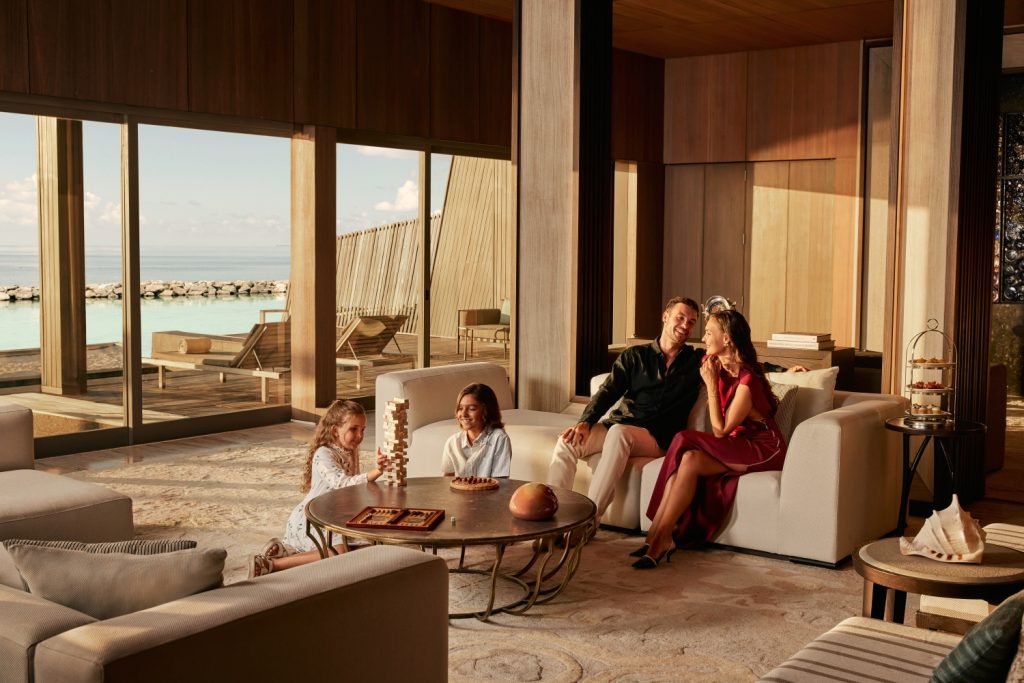
The festive programme is designed for guests across generations, with dedicated children’s programming alongside dining and wine experiences for adults.
For culinary teams, this broad audience requires flexibility.
Children may need simpler flavour profiles or smaller portions, while adults may be looking for tasting menus, pairings or more adventurous preparations.
Dietary restrictions and allergens also become especially important during large festive events serving families.
Buffets and gala menus need clear communication, and service teams must understand the ingredients well enough to answer questions accurately.
Festive treats for younger guests can also provide opportunities for interactive pastry experiences.
Even when a children’s activity is simple, chefs need to consider food safety, allergens and how easily participants can handle the ingredients.
Family programming therefore adds another layer to what is already an intensive period for pastry and culinary departments.
New Year’s Eve as the operational peak
The festive programme will culminate with a major New Year’s Eve celebration and fireworks over the Indian Ocean.
For F&B teams, the final night of the year is typically the operational peak of the festive calendar.
Kitchen brigades need to execute gala service while bars handle receptions and late-night demand.
Pastry departments manage desserts and celebratory displays.
Stewarding teams deal with increased volumes of equipment, plates and glassware.
Front-of-house colleagues need to synchronise dinner service with entertainment and the midnight countdown.
The challenge is to ensure that food remains the focus of the dining experience even while multiple forms of entertainment compete for guests’ attention.
Timing is critical.
A poorly timed course or delayed buffet replenishment becomes more noticeable when an evening is tightly structured around performances and the countdown.
For chefs, this means understanding the full event schedule rather than working only from the kitchen’s own service plan.
Culinary teams at the centre of ‘Chapter X’
“As we celebrate ten remarkable years at The St. Regis Maldives Vommuli Resort, this festive season represents not only a milestone for the resort, but also a celebration of the countless memories created by our guests who have become part of our story,” said Ozgur Cengiz, General Manager of The St. Regis Maldives Vommuli Resort.
“Chapter X invites guests to experience the spirit of Vommuli Island while honouring our legacy and creating new traditions for generations to come.”
For the resort’s culinary professionals, those new traditions will be created through more than the headline gala dinners.
They will take shape through sunset dining by the lagoon, wine journeys, festive treats, culinary showcases and the many smaller moments of service that connect guests with the island.
That makes food and beverage one of the strongest tools through which the 10th anniversary story can be told.
Across “Chapter X”, The St. Regis Maldives Vommuli Resort will use its four ecological zones not simply as settings for festive activities, but as a framework for connecting gastronomy with place.
For chefs, pastry teams, sommeliers and F&B professionals, the programme demonstrates how a milestone celebration can move beyond conventional Christmas and New Year dining and become an opportunity to interpret the history, environment and culinary identity of an island.