Samuel Lee, WAGYUMAFIA and Dry Wave lead culinary programme at Fari Islands Festival 2026
The second edition of Fari Islands Festival brought together Michelin-starred cooking, Japanese dining culture, Maldivian cuisine and international mixology as food and beverage became a central component of the three-day gathering across Patina Maldives and The Ritz-Carlton Maldives, Fari Islands.
Held from 13 to 15 August, the festival brought chefs, bartenders, artists, musicians, conservationists and wellness practitioners together under the theme “One Festival, Every Sense”, positioning gastronomy alongside art, culture and the natural environment as one of the principal ways guests experienced the Fari Islands.
For chefs, pastry professionals, sommeliers and bartenders working in the Maldives, the culinary programme demonstrated the increasingly collaborative nature of resort gastronomy, bringing internationally recognised talent into island kitchens while also creating space for Maldivian food traditions.
The line-up included Michelin-starred chef Samuel Lee, founder of Parisian neo-bistrot SENsation, Tokyo-born dining collective WAGYUMAFIA and Bangkok’s Dry Wave Cocktail Studio, which was ranked No. 5 in Asia’s 50 Best Bars 2025.
Michter’s Whiskey and Sei Bellissimi’s Danilo Pozone also contributed to the beverage programme, while actor Rosamund Pike took part in a Maldivian cooking experience at Patina Maldives’ newly opened Kandu restaurant.
Samuel Lee joins Fari Islands culinary programme
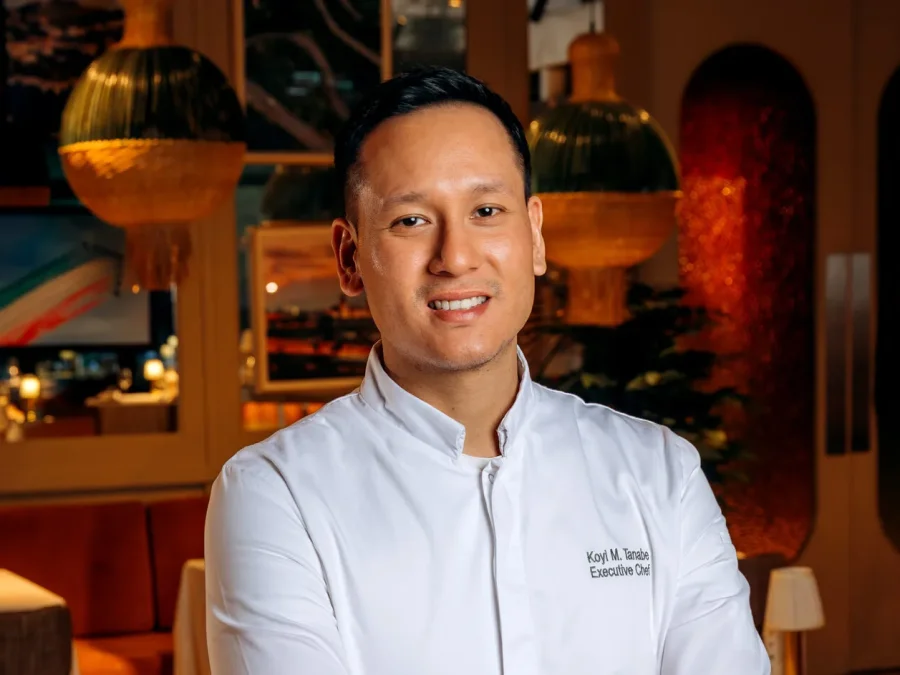
Michelin-starred chef Samuel Lee was among the principal visiting culinary figures at the festival.
The founder of SENsation in Paris joined the wider programme of guest chefs and dining collaborations taking place across the two Fari Islands resorts.
For resident culinary teams, visiting-chef events of this kind involve considerably more work than the guest-facing service itself.
Recipes developed in another restaurant environment often need to be adapted to an island kitchen, where ingredient availability, equipment, logistics and climatic conditions may differ significantly.
That process typically requires visiting and resident chefs to work closely on sourcing, mise en place, preparation sequences and plating before the first guest reaches the dining room.
For younger members of a brigade, this can provide direct exposure to different approaches to organisation, flavour construction and service.
Senior chefs, meanwhile, gain an opportunity to compare techniques and working systems while determining how the visiting chef’s ideas can be translated within their own operation.
This professional exchange is one of the less visible but important outcomes of international culinary residencies in the Maldives.
A dinner may take place for only one evening, but the preparation surrounding it can leave resident chefs with new techniques, flavour references and perspectives that continue to influence the kitchen afterwards.
WAGYUMAFIA brings Tokyo dining culture to Fari Islands
The festival also welcomed WAGYUMAFIA, the Tokyo-born dining collective recognised internationally for experiences centred around Japanese wagyu and contemporary dining.
Its participation added another culinary language to a programme designed around international exchange.
For chefs, working with wagyu requires a particularly disciplined approach to temperature, portioning and richness.
The high degree of marbling associated with premium wagyu means the product behaves differently from leaner beef cuts. Heat needs to be carefully managed so that intramuscular fat renders appropriately without compromising the texture of the meat.
Portion size is equally important.
Because of its richness, wagyu does not necessarily benefit from the same serving proportions used for conventional steak. Smaller portions can allow the flavour and texture of the beef to remain central without overwhelming the wider progression of a meal.
Seasoning and accompaniments also require restraint.
Strong sauces or excessive garnish can mask the character of the beef, while acidity, salt and contrasting textures can help balance its richness.
For resort kitchens, premium ingredients also raise questions around yield and food cost.
Precise trimming, storage and portion control become essential when working with products of high value, making the technical and operational dimensions of wagyu service closely connected.
WAGYUMAFIA’s presence at Fari Islands therefore represented more than an international name on the programme. It brought a specialist approach to an ingredient category that demands detailed knowledge from both culinary and service teams.
Maldivian cuisine joins the festival conversation
While international chefs formed an important part of the programme, the festival also created an opportunity to showcase the food culture of the Maldives.
Rosamund Pike participated in an intimate Maldivian cooking class at Kandu, Patina Maldives’ newly launched restaurant.
The experience placed local cuisine within a festival otherwise bringing together practitioners from across the world.
For chefs working in the Maldives, this is a significant aspect of international culinary programming.
Visiting talent can introduce new perspectives and techniques, but festivals also create an opportunity to place Maldivian food on the same platform as internationally recognised cuisines.
Maldivian cooking is closely shaped by the country’s geography and maritime history.
Fish — particularly tuna — is central to many preparations, alongside coconut, chilli, lime, onion and spices. Techniques and flavour combinations have developed through island life and centuries of exchange across the Indian Ocean.
Cooking classes can provide a particularly effective format for communicating this culinary heritage to international guests.
A restaurant meal presents the finished dish. A class can explain the ingredients, preparation methods and cultural background behind it.
Guests can see how coconut is prepared, how flavours are balanced or why particular ingredients recur across Maldivian cuisine.
For the chef conducting the session, this creates a role that extends beyond cooking into education and interpretation.
The ability to communicate a cuisine is becoming increasingly important in resort kitchens, particularly as travellers seek stronger connections with local food cultures.
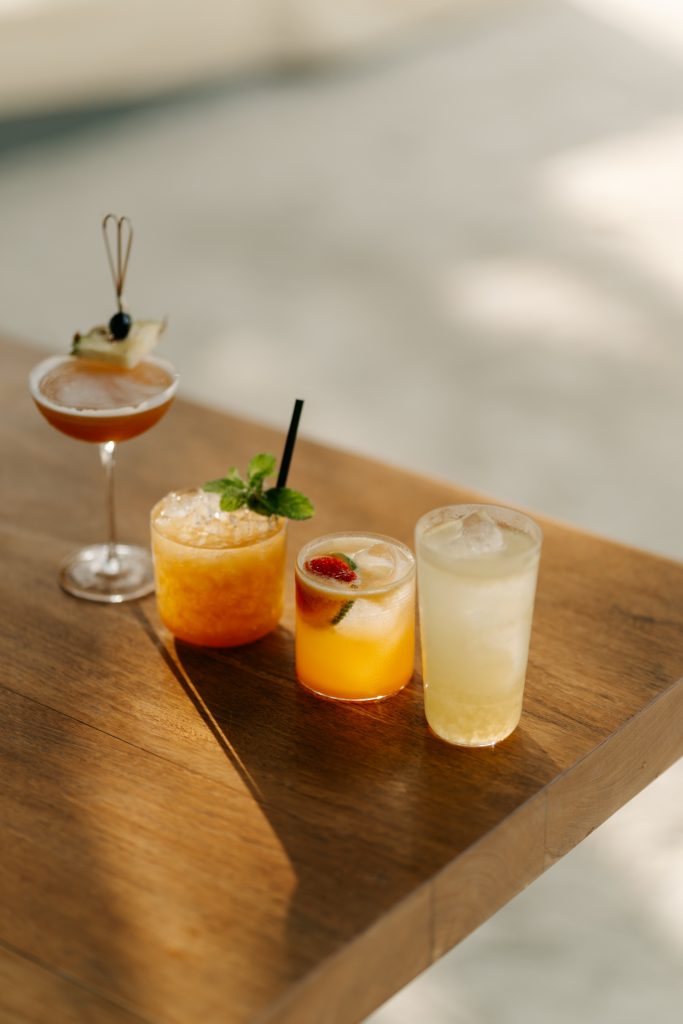
Cocktails become part of the storytelling
The festival’s beverage programme was led in part by Dry Wave Cocktail Studio, the Bangkok bar ranked No. 5 in Asia’s 50 Best Bars 2025.
Dry Wave joined Michter’s Whiskey for what the festival described as narrative-led cocktail experiences.
The concept places storytelling alongside drink preparation, reflecting a wider movement in contemporary mixology where cocktails are designed around an idea, place or narrative rather than simply a combination of flavours.
For bartenders, however, the creative story still needs to be supported by technical fundamentals.
Balance between sweetness, acidity, bitterness, alcohol and dilution remains central to the finished drink.
Ice quality, glassware, temperature and garnish can all influence the experience, while preparation needs to remain consistent even during a busy guest shift.
Narrative-led drinks can add another layer, but the cocktail must still work when separated from its explanation.
This is particularly relevant in a festival environment, where guests may move rapidly between different experiences and may encounter a drink in a more informal context than a conventional cocktail bar.
The collaboration with Michter’s Whiskey also allowed spirits to become part of the wider festival programme rather than simply functioning as bar inventory.
Spirit-led sessions can provide guests with greater understanding of production, ageing and flavour, while giving bartenders and beverage professionals an opportunity to discuss how individual spirits behave within cocktails or when served neat.
Sei Bellissimi expands the beverage programme
Danilo Pozone of Sei Bellissimi contributed additional curated spirits experiences during the festival.
For resort beverage teams, specialised sessions such as these can provide valuable exposure to categories, brands and service approaches beyond routine bar operations.
Modern luxury beverage programmes increasingly require bartenders and sommeliers to be educators as well as service professionals.
Guests may want to understand provenance, production methods and the reasoning behind a particular pairing or drink.
That places greater emphasis on product knowledge.
A bartender needs to understand not only how to make a cocktail but why a particular spirit works within it. A sommelier needs to explain more than tasting notes, connecting wine with region, producer, vintage and food.
Festivals can compress these learning opportunities into a short period by bringing outside specialists directly into the resort environment.
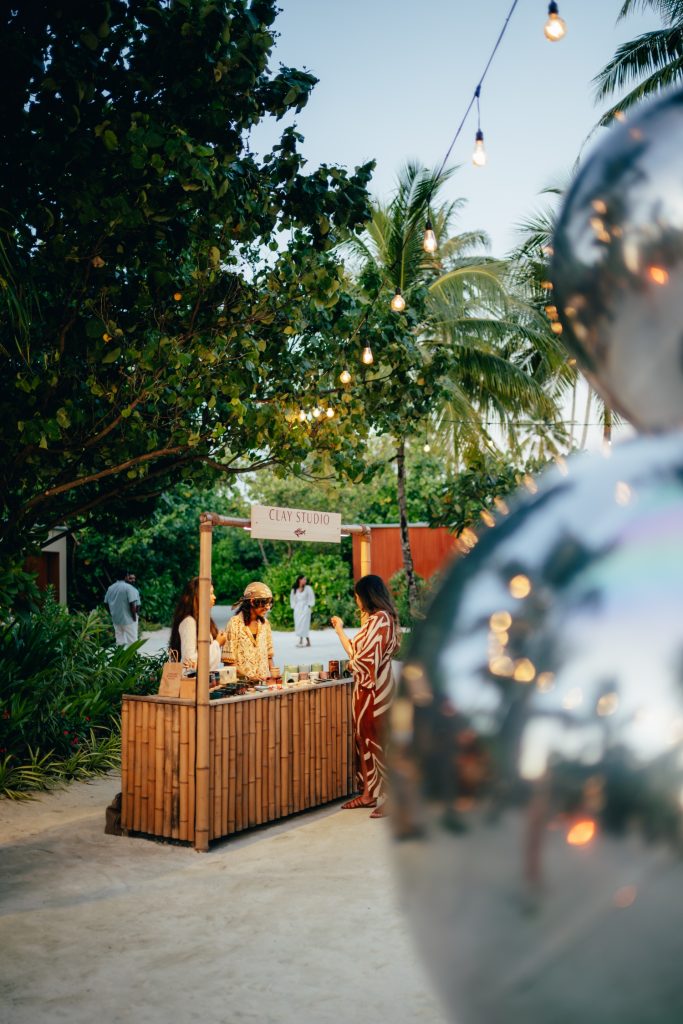
Food as one part of a multi-sensory festival
The culinary programme sat within a wider festival built around the idea of engaging every sense.
Rosamund Pike opened the event with a charity dinner supporting MAG, the Mines Advisory Group, before taking part in talks, meditation and the Maldivian cooking class.
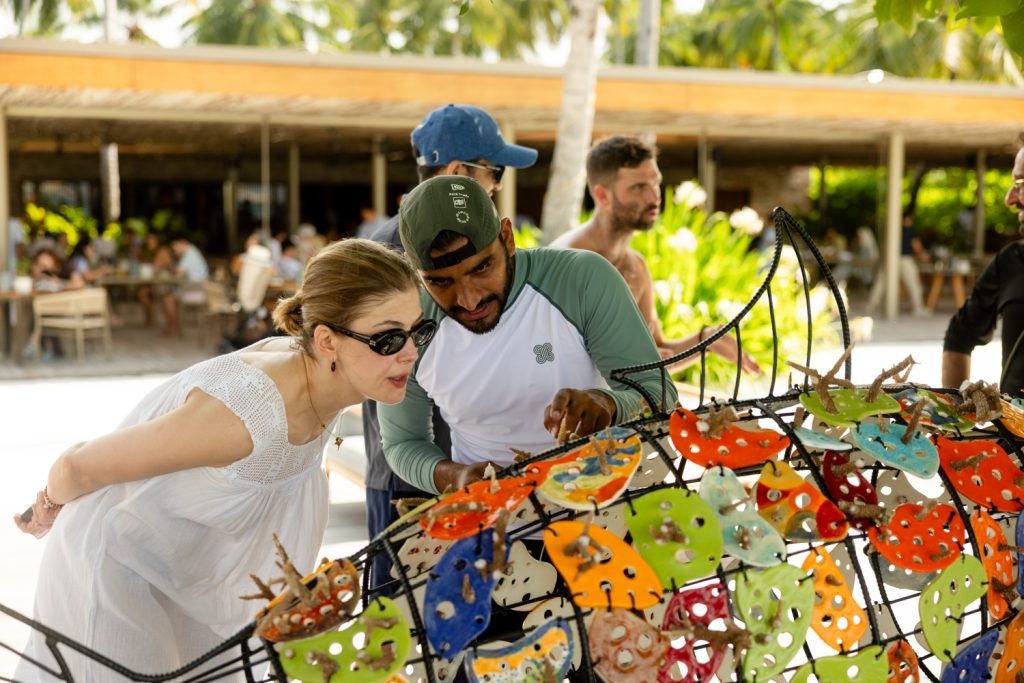
Designer Sean Wotherspoon worked with guests on a reef-inspired sculpture that will form part of ongoing coral regeneration efforts in the Fari Islands lagoon.
The festival also featured a 5km Charity Island Run with Maldives running community iRunners, raising USD 5,000 for Save the Beach.
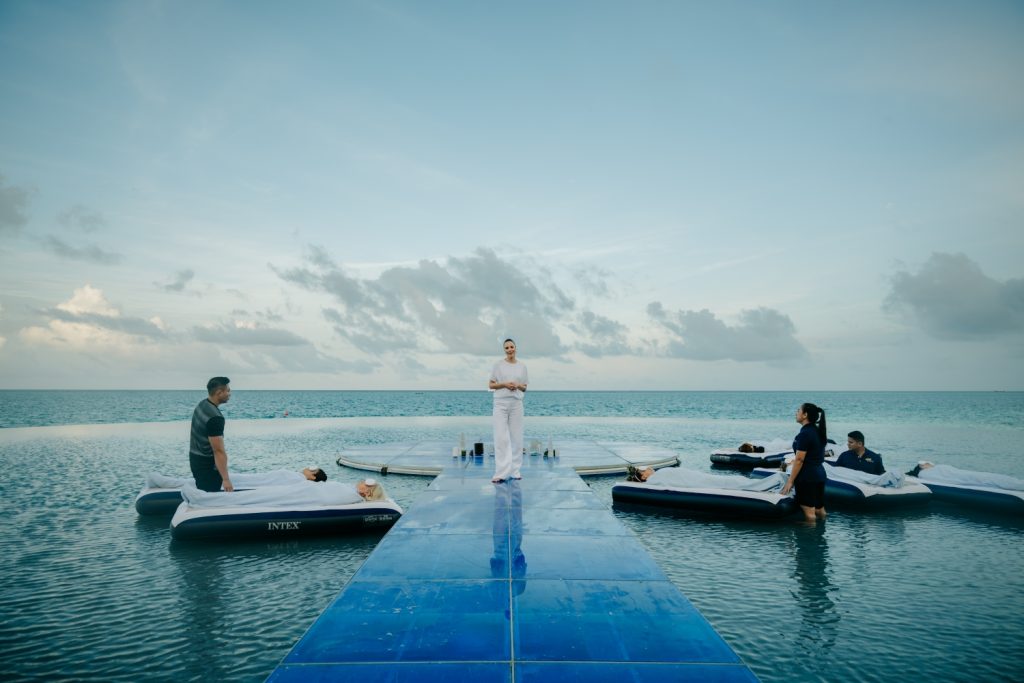
Wellness sessions were led by practitioners including Stephanie Waxberg and Louise Riby through Wellness by Bamford, while Noble Panacea presented experiences centred on longevity and holistic wellbeing.
National Geographic Explorer Malin Fezehai and Olive Ridley Project contributed to programming around marine ecosystems and conservation.
Music included performances by Sébastien Tellier, Thai multidisciplinary artist NOTEP and Dutch DJ and producer FS Green.
Within this framework, food was not presented as a standalone restaurant programme but as one of several creative disciplines operating across the festival.
For chefs, this type of event changes the context in which their work is experienced.
A guest may move from a conservation discussion to an art installation, then into a dinner or cocktail experience before attending a live performance.
The culinary experience therefore becomes part of a wider sequence rather than the sole focus of the evening.
That can influence menu design and service.
Food may need to fit within tighter schedules, complement preceding activities and leave guests comfortable enough to continue through the festival programme.
Collaboration between visiting talent and resort brigades
For Patina Maldives and The Ritz-Carlton Maldives, staging a multi-property festival also places substantial demands on resident food and beverage teams.
Visiting chefs, bartenders and specialist collaborators need to be integrated into existing operations without disrupting normal resort service.
Purchasing teams may need to source ingredients or beverages not normally held on the island.
Stores must manage arrivals and storage.
Kitchen teams have to test recipes and establish preparation schedules.
Service staff need to understand new menus and be able to explain unfamiliar dishes.
Bar teams may need to learn new techniques or recipes before a guest shift begins.
Stewarding supports the additional volume of equipment, glassware and serviceware.
All of this takes place while the resorts continue running their regular restaurants.
For culinary professionals, festivals therefore represent an intensive form of operational collaboration.
The guest experiences the finished dinner or cocktail. Behind it is a temporary network of visiting and resident professionals who need to work as one team within a limited period.
Culinary festivals as professional exchange
Events such as Fari Islands Festival can also have value for the wider development of resort culinary teams.
The Maldives already operates one of the most internationally diverse hospitality kitchen environments in the region, with brigades comprising chefs from multiple countries and culinary traditions.
Visiting-chef programmes add another layer to that exchange.
A cook working alongside Samuel Lee may encounter new approaches to contemporary restaurant technique.
A chef supporting WAGYUMAFIA can observe specialist handling and service around premium Japanese beef.
A bartender collaborating with Dry Wave can see how a recognised cocktail team structures storytelling around drinks.
At the same time, visiting professionals enter an operating environment unique to the Maldives, where island logistics, tropical conditions and resort service create challenges unfamiliar to many urban restaurants.
Knowledge therefore moves in both directions.
Resident teams bring expertise in island operations, local sourcing, international guest preferences and destination dining.
Visiting professionals contribute perspectives formed in different restaurants, cities and markets.
That exchange can become one of the most valuable legacies of a festival after the final guest has departed.
Local and international gastronomy on the same platform
The inclusion of both international culinary talent and a Maldivian cooking experience is also important from the perspective of culinary identity.
There can be a tendency in destination hospitality to position visiting international chefs as the headline attraction while local cuisine remains secondary.
The strongest programmes can do both: bringing international expertise into the country while creating meaningful opportunities for Maldivian food culture to be experienced and understood.
At Fari Islands Festival, guests could move between the work of a Michelin-starred chef, WAGYUMAFIA, international cocktail specialists and a cooking session centred on Maldivian cuisine.
That juxtaposition reflects the reality of the contemporary Maldives culinary industry.
Resort chefs operate globally influenced kitchens while working within a destination with its own distinct food traditions.
The professional opportunity lies in allowing these two dimensions to strengthen rather than replace one another.
Fari Islands Festival to return in 2027
With its second edition completed, Fari Islands Festival is scheduled to return from 8 to 10 July 2027.
Organisers said the next edition will again bring artists, thinkers, chefs, performers and other cultural voices to the archipelago.
For the Maldives culinary community, the 2026 edition demonstrated how gastronomy can operate within a broader cultural festival while retaining its own professional depth.
Michelin-starred cooking, Japanese dining, Maldivian food traditions and international mixology each offered different expressions of the festival’s “One Festival, Every Sense” philosophy.
Behind those experiences were resort chefs, bartenders and F&B teams working alongside visiting talent to turn individual ideas into functioning island operations.
For guests, the result was a three-day journey through food, drinks, art, music and culture.
For the culinary professionals involved, it was also an exercise in collaboration — bringing different cuisines, techniques and working cultures together across two Maldives resort kitchens.