From Maldivian small bites to seafood teppanyaki: Nova Maldives shapes solo dining experiences
Nova Maldives is placing food alongside wellbeing and ocean experiences during its Solo Traveller Month this September, with plant-based interpretations of Maldivian cuisine at Soul Kitchen and seafood-led teppanyaki at Mizu forming part of a programme designed around independent travel and social connection.
The South Ari Atoll resort is bringing back its Solo Traveller Month following PADI AWARE Week, combining wellness workshops, yoga, marine activities and cultural experiences with dining formats that guests can experience independently or use as opportunities to meet others.
For chefs and food and beverage professionals, the programme highlights an increasingly relevant consideration in resort dining: how restaurants can respond to guests travelling alone without treating solo dining as simply a reduced version of the conventional restaurant experience.
At Nova, food is being positioned as part of the wider social rhythm of the programme, ranging from informal small bites to interactive teppanyaki dining.
Plant-based Maldivian flavours at Soul Kitchen
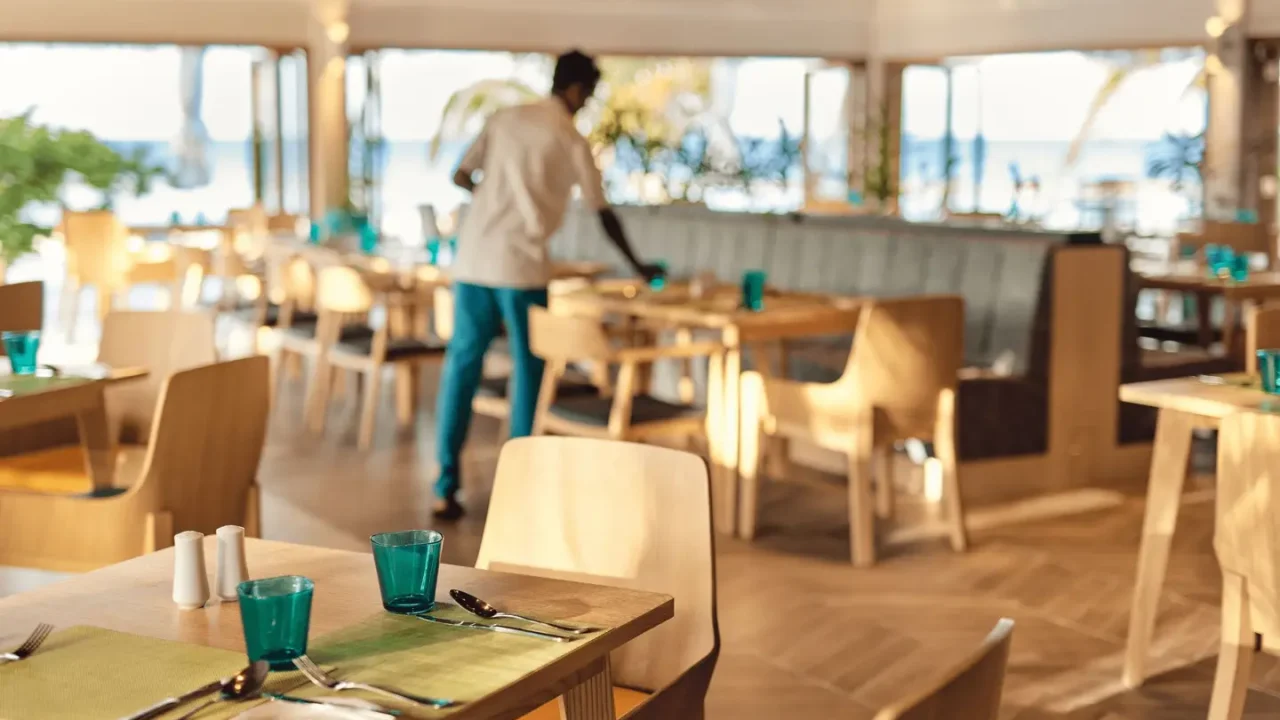
At Soul Kitchen, Nova’s all-day dining restaurant, solo travellers will be able to explore plant-based Maldivian small bites.
The format places two culinary themes together: local flavour and plant-forward cooking.
Maldivian cuisine has traditionally been closely associated with fish, coconut, chilli and starches, particularly tuna-based preparations. Developing plant-based interpretations therefore requires chefs to consider which elements of a dish carry its identity when seafood or other animal products are removed.
Coconut provides one natural foundation.
Used in grated form, as milk or in other preparations, coconut contributes richness, texture and flavour across Maldivian cuisine. Chilli, lime, onion, curry leaves and spices can similarly retain familiar flavour structures even when a dish is reworked around vegetables or plant proteins.
For chefs, the objective is not simply to substitute one protein for another.
Plant-based cooking works most effectively when vegetables, pulses, grains, fruits and other ingredients are treated as central components rather than replacements.
Roasting, grilling, fermenting, smoking and careful use of spices can build depth, while acidity and texture become particularly important in keeping small dishes balanced.
The small-bite format also suits the resort’s focus on solo travellers.
Rather than committing to one large plate, guests can sample several preparations, making it easier for the culinary team to introduce different local ingredients and flavour combinations during a single meal.
For an international audience, this can provide an accessible introduction to Maldivian food.
Small-format dishes allow chefs to present recognisable elements of the local flavour profile while varying texture, spice intensity and presentation across the meal.
Plant-based dining and resort kitchens
The inclusion of plant-based Maldivian food also reflects a broader change taking place across resort kitchens.
Chefs increasingly need to cater for guests who are vegan, vegetarian, flexitarian or simply interested in eating more plant-based food during a stay.
In the Maldives, this can require particular creativity because many resort menus have historically placed seafood and imported proteins at the centre of the plate.
Plant-focused dishes can create opportunities to work more extensively with vegetables, grains, herbs and tropical ingredients while considering waste, seasonality and sourcing.
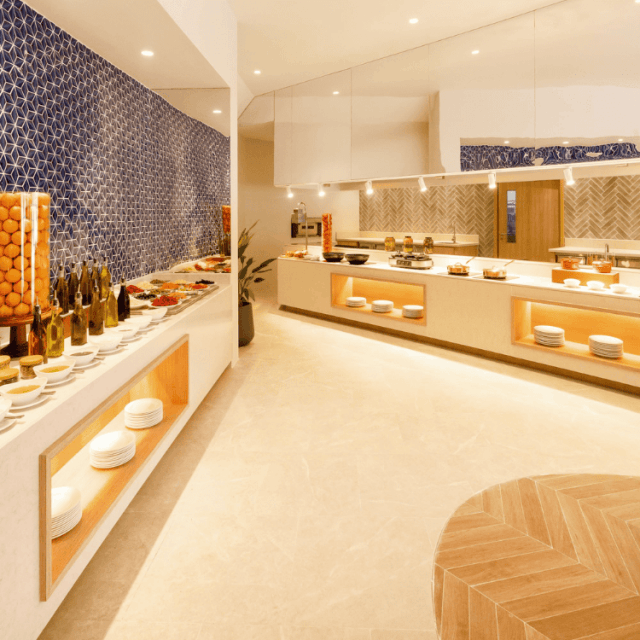
For buffet and all-day dining operations, the challenge is to make those dishes appealing to all diners rather than treating them as a specialised dietary section.
When plant-based food is integrated into the broader menu, it can become part of the restaurant’s culinary identity rather than a response to a restriction.
At Soul Kitchen, connecting plant-based cooking with Maldivian flavours provides one route towards that integration.
Teppanyaki above the ocean
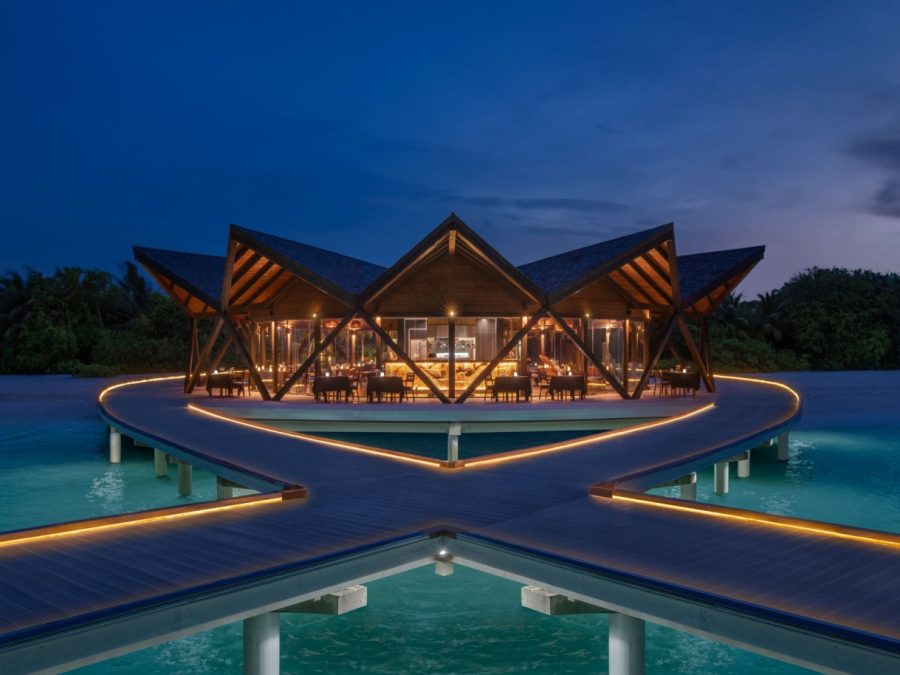
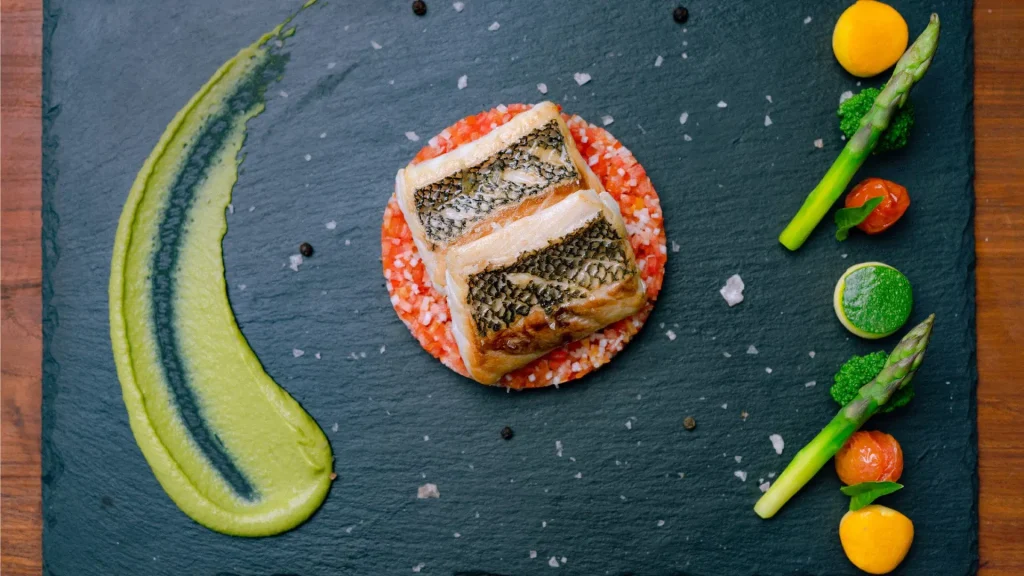
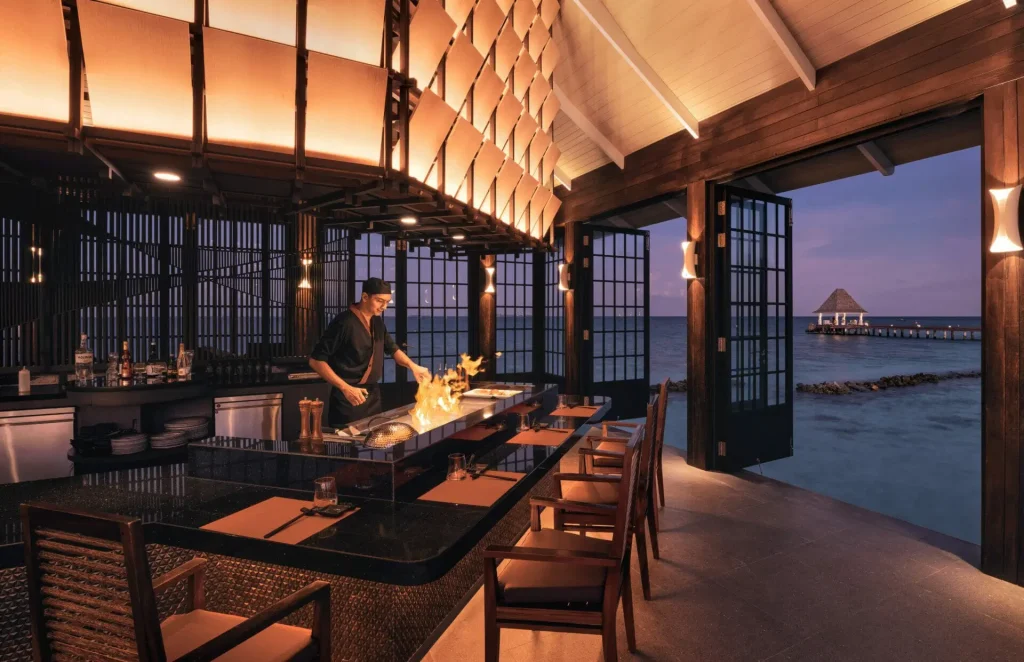
The programme will take a different culinary direction at Mizu, Nova’s overwater pavilion, where guests can experience a teppanyaki dinner inspired by seafood and seaweed.
Teppanyaki places the chef directly at the centre of the dining experience.
Unlike a conventional restaurant kitchen where preparation is largely hidden from guests, the hotplate becomes both workstation and stage.
For chefs, this means technical execution and guest interaction happen simultaneously.
Knife work, cooking temperature, timing and seasoning all need to remain precise while the chef communicates with diners and manages the pace of the meal.
Seafood is particularly suited to this style of cooking because it responds quickly to direct heat.
Fish, prawns, scallops and other products require careful temperature management. Seconds can make the difference between a properly cooked piece of seafood and one that loses its moisture and texture.
The flat teppan surface also allows chefs to manage different temperature zones and cook components in sequence.
For resort teams, consistency becomes particularly important when guests are watching the full process at close range. Mise en place needs to be exact because there is little opportunity to correct missing or poorly prepared ingredients once service begins.
Seaweed adds another marine ingredient
The inclusion of seaweed adds a further ocean-derived element to Mizu’s menu.
In Japanese cuisine, seaweed appears in several forms and can contribute salinity, umami, texture and mineral character.
Different varieties can be used in stocks, seasoning, salads, garnishes or as components in their own right.
For chefs, seaweed is particularly useful because relatively small quantities can add considerable depth of flavour.
Its naturally occurring glutamates contribute umami, making it valuable in broths and sauces where the aim is to build savouriness without relying solely on heavy seasoning.
Pairing seaweed with seafood creates an obvious thematic relationship, but balance remains important.
Excessive salinity or iodine character can overwhelm delicate fish, so chefs need to consider how the seaweed is prepared, soaked, toasted or incorporated.
At Mizu, the combination of seafood, seaweed and an open-sky overwater setting connects the menu directly with the surrounding environment.
Interactive dining for solo travellers
Teppanyaki also has a particular advantage within a programme aimed at solo guests.
The communal seating arrangement naturally brings diners together around the chef and cooking surface.
A guest travelling alone does not necessarily dine in isolation because attention is focused on the shared preparation taking place in front of the group.
This makes interactive dining an effective format for resorts trying to create opportunities for social connection without forcing guests into organised networking.
The chef becomes an important part of that dynamic.
Beyond cooking, a teppanyaki chef needs to understand how to read the table, encourage conversation and engage guests while still maintaining control of service.
That makes front-facing communication almost as important as technical cookery.
For culinary professionals developing similar concepts, this illustrates how restaurant format can influence the social experience as much as the menu itself.
Food within a wider wellness programme
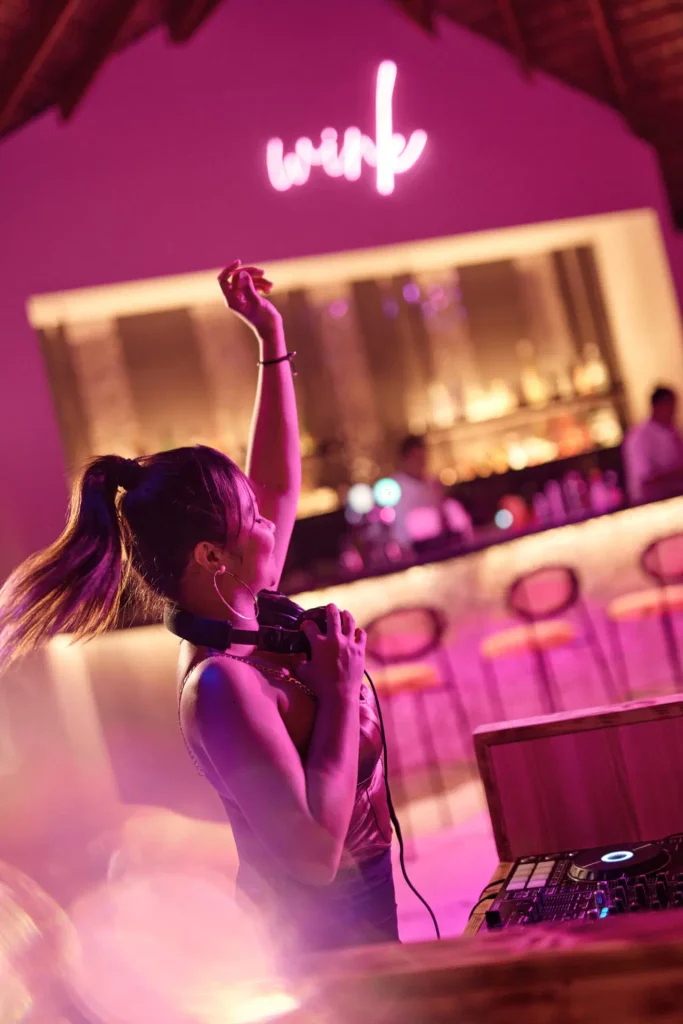
Nova’s culinary experiences sit within a broader programme centred on wellbeing and independent travel.
From 25 to 30 September, the resort will host mental wellness practitioner Pika Dubey, founder of The Head Space Lab, for three guest workshops focusing on reflection, emotional wellbeing and personal development.
The wider weekly programme will include yoga practices such as Vinyasa, Surya Namaskar and Hatha, as well as sound baths and Bodu Beru drumming sessions.
For culinary teams, the positioning of food alongside wellness can also influence menu development.
Guests participating in yoga, diving or wellness sessions may look for meals that feel lighter or more flexible during the day, while dinner can provide a more substantial or social conclusion.
This does not mean that wellness dining needs to be restrictive.
Instead, chefs can focus on balance, freshness, portion size and dishes built around ingredients that fit naturally with the overall programme.
Plant-based small bites at Soul Kitchen align particularly well with this approach by allowing guests to choose quantity and variety according to their appetite.
From reef to restaurant
The resort’s location in South Ari Atoll adds another dimension to the programme.
Guests can snorkel and dive in waters associated with whale sharks and manta rays, while private sandbank experiences provide another way of engaging with the surrounding ocean.
For resort chefs, operating in a marine environment raises an important broader question around how seafood is presented.
The strongest connection between ocean experiences and resort dining is not simply visual. It can also involve helping guests understand the ingredients they are eating, their sourcing and the wider marine environment in which the resort operates.
This is increasingly relevant as travellers become more aware of sustainability and ocean stewardship.
While Nova’s Solo Traveller Month follows its PADI AWARE Week programme, the continuity between marine conservation and food can also encourage greater discussion around responsible seafood sourcing within resort kitchens.
Chefs have an important role in that conversation because purchasing decisions, species selection and menu design influence how marine resources are used.
Cultural connection through food
Bodu Beru drumming classes will provide another link to Maldivian culture during the programme.
While music and cuisine are separate disciplines, both can serve similar functions in introducing international guests to a destination.
For chefs, local food can be one of the most immediate forms of cultural interpretation.
A traveller may have limited understanding of Maldivian history or food traditions before arriving, but ingredients and flavours provide an accessible point of entry.
Plant-based interpretations at Soul Kitchen can therefore be more than dietary alternatives.
When they draw clearly on Maldivian flavour structures, they offer a way of introducing local culinary identity within a contemporary restaurant format.
The challenge for chefs is to ensure that adaptation does not remove the characteristics that make the dish recognisably Maldivian.
Rethinking the solo dining experience
Nova’s programme also raises a wider operational consideration for restaurants across the Maldives as solo travel grows.
Much of resort dining has traditionally been designed around couples, families or groups.
Restaurant layouts, destination dinners and promotional imagery often assume at least two diners.
Solo travellers can therefore require a slightly different approach.
This does not necessarily mean creating separate menus or designated single tables. The more relevant question is how dining environments can provide flexibility.
A solo guest may want privacy one evening and conversation the next.
All-day dining, small plates, counter seating, communal tables, cooking classes and interactive formats such as teppanyaki can all give guests different ways to engage.
Service style matters as well.
Front-of-house teams need to make solo diners feel comfortable without creating excessive attention, while chefs working in open kitchens or interactive concepts can help build natural conversation around food.
Nova’s combination of casual plant-based bites and teppanyaki demonstrates two distinct approaches.
Soul Kitchen allows guests to dine at their own pace, sampling smaller preparations as they wish.
Mizu creates interaction through the cooking format itself.
Chefs as part of the connection
Nova describes its Solo Traveller Month as being centred on conscious connection, where guests can meet through shared interests without having every part of their stay structured for them.
Food is particularly well suited to that idea.
Meals are already part of the natural daily rhythm of a resort, so culinary experiences can create points of interaction without requiring guests to attend a formal social event.
For chefs, that expands the role of the restaurant.
The objective is not only to produce well-executed food but to consider how the format, menu and service can contribute to the way guests experience the island.
At Nova Maldives, this will range from plant-based Maldivian small bites at Soul Kitchen to seafood and seaweed cooked directly in front of diners at Mizu.
Both experiences are different in technique and presentation, but they share a common purpose within the September programme: using food as a flexible space where solo travellers can enjoy their own company, connect with the destination or find themselves sharing a table with someone new.