Machchafushi Island Resort & Spa builds culinary identity around sense of place and the sea
Machchafushi Island Resort & Spa Maldives, The Centara Collection, is placing food and beverage within a wider interpretation of island identity through “The Machchafushi Universe”, a concept that connects cuisine, cocktails, marine life, culture and the natural environment through the five senses.
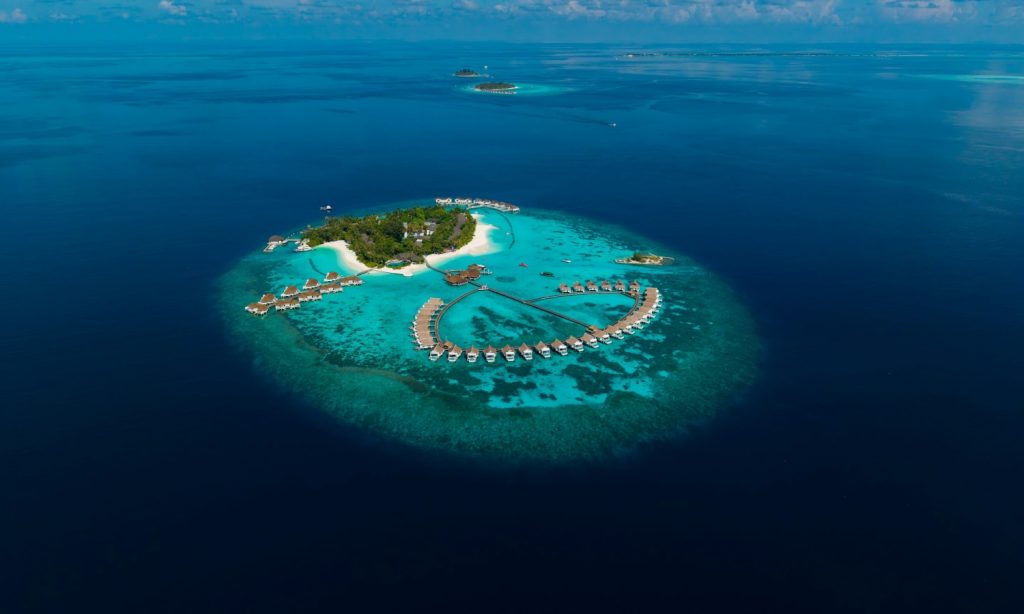
Set within the South Ari Marine Protected Area, the resort is using sight, sound, fragrance, touch and flavour to shape the guest experience, with its restaurants and bars forming an important part of how that sense of place is translated onto the plate and into the glass.
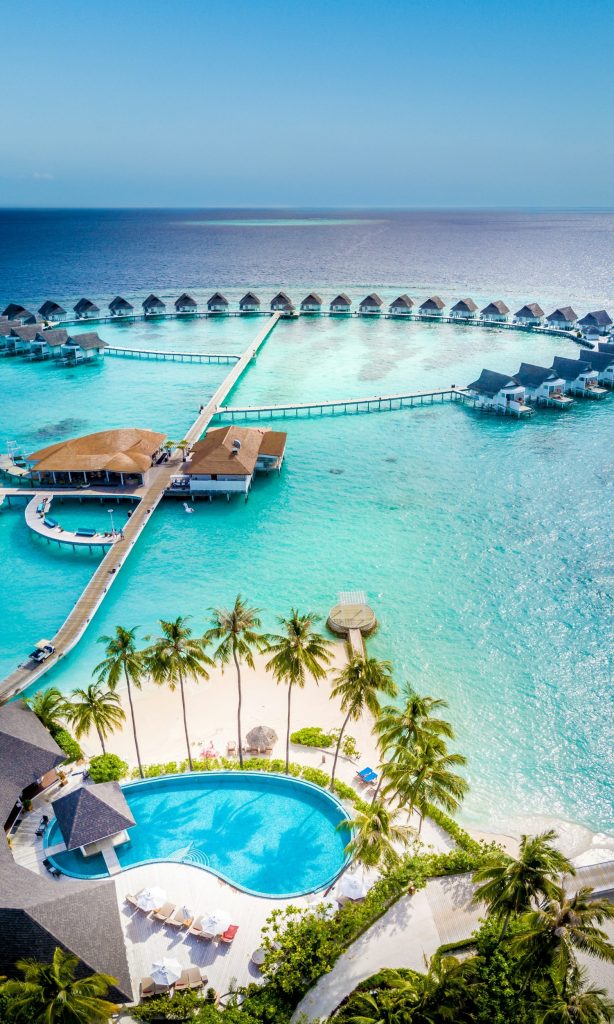
Machchafushi means “Fish Island” in Dhivehi, and the surrounding ocean is central to the identity of the resort. Its house reef is around five times the size of the island and supports more than 1,000 species of reef fish and over 200 varieties of coral, according to the resort.
South Ari Atoll is also known for year-round whale shark encounters, alongside manta rays, turtles and other marine species, while the nearby 52-metre Kudhi Maa shipwreck has developed into an established underwater habitat.
For the resort’s culinary teams, that connection with the sea provides part of the context in which dining experiences are developed.
“The Machchafushi Universe” is intended to bring together the environment, local character and service experience rather than treat dining, marine activities, wellness and culture as separate elements.
“Machchafushi has always had a character of its own. It comes from the environment around us, from the marine life and the reef, from the Banyan Tree and the traditions connected to it, and from the people who bring our experiences to life,” said Francesco Pompilio, Cluster General Manager of Machchafushi Island Resort & Spa Maldives and Centara Ras Fushi Resort & Spa Maldives.
“The Machchafushi Universe gives us an opportunity to bring these elements together and allow guests to experience the island in a more meaningful way, through all of their senses.”
Flavour as part of the destination
Within that framework, flavour serves as the final element connecting guests back to the island.
Machchafushi operates several distinct food and beverage concepts, with Thai, Italian coastal, international and Maldivian influences represented across the resort.
At Suan Bua, traditional Thai cuisine is presented through established techniques and flavour profiles.
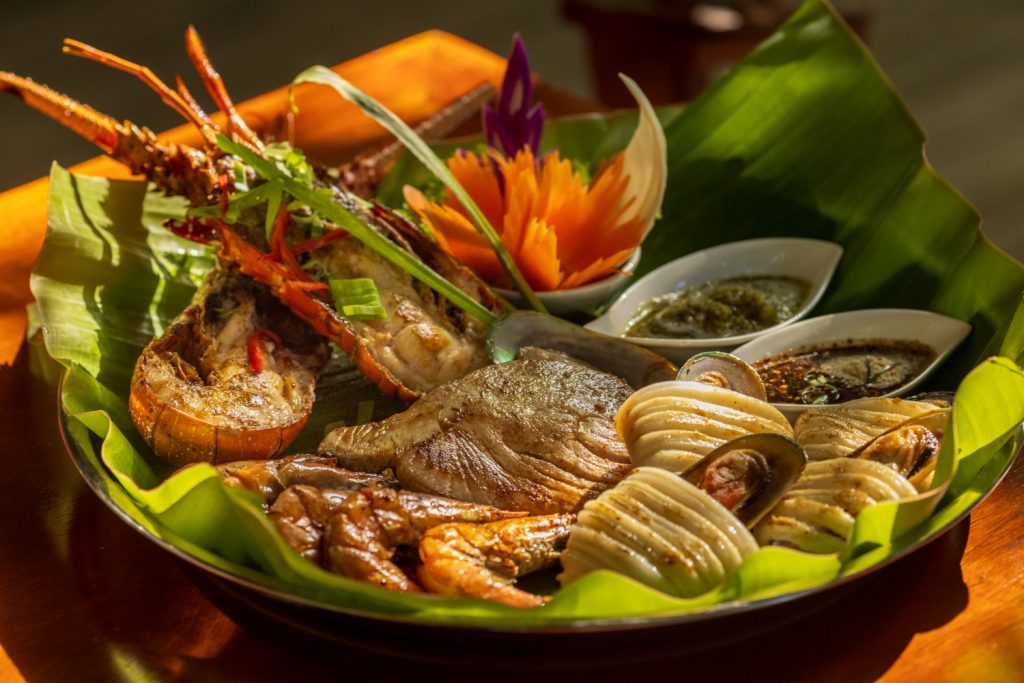
For chefs, Thai cuisine requires careful management of balance. Sweetness, acidity, salinity, heat, aromatics and umami are frequently brought together within the same dish, making ingredient proportion and seasoning particularly important.
The cuisine also depends heavily on the treatment of fresh herbs, spices, coconut, citrus and seafood, creating natural points of connection with a tropical island setting.
At Machchafushi, Suan Bua provides one culinary expression of Centara’s Thai heritage while operating within the Maldives resort environment.
The restaurant also forms part of the resort’s wider sensory narrative. The sounds of food preparation, aromas emerging from the kitchen and presentation of the finished dish contribute alongside taste to the overall dining experience.
Mare Azzurro Italian Coastal Cuisine takes a different approach, drawing on Italian seaside cooking.
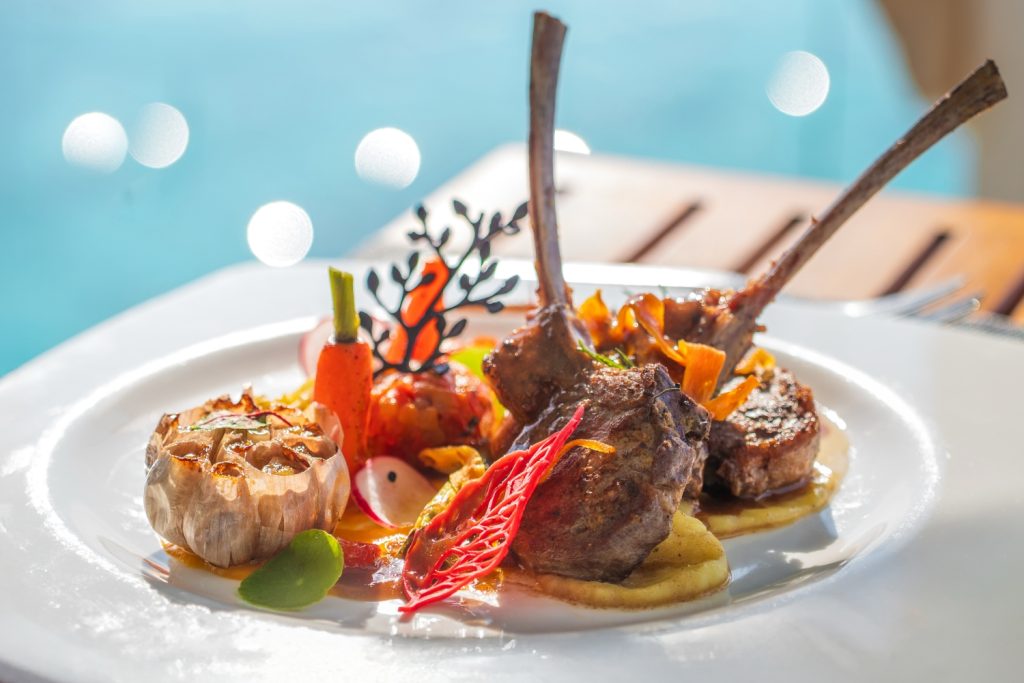
Coastal Italian cuisine often places particular emphasis on ingredient quality and relatively direct preparations, allowing seafood, vegetables, olive oil, herbs and acidity to remain identifiable on the plate.
For resort chefs, this style of cooking requires restraint as much as technique. Rather than relying on excessive components, the success of a dish can depend on accurate cooking, seasoning and the quality of a limited number of ingredients.
In the Maldives, the concept also creates a geographical parallel between Mediterranean coastal dining and the resort’s own relationship with the ocean.
The Reef, meanwhile, provides an all-day dining format, serving international cuisine alongside Maldivian dishes in a buffet setting.
For culinary teams, buffet operations present a very different challenge from speciality restaurants.
Production takes place at scale, but chefs must still maintain texture, temperature, appearance and consistency throughout service. Replenishment, batch cooking and menu rotation become as important as the recipes themselves, particularly when serving an international guest mix.
Including Maldivian dishes within the broader buffet also gives the team an opportunity to introduce guests to local flavours in an accessible format.
For chefs working in resorts, this can be an important part of culinary storytelling. Guests who may initially choose familiar international dishes can encounter Maldivian preparations alongside them, creating a route into local cuisine without requiring a dedicated tasting menu.
The relationship between kitchen and bar
The sensory concept extends beyond the kitchen.
At Aqua Bar and Coral Bar, classic cocktails are served alongside island-inspired signatures, creating another opportunity to translate the character of Machchafushi into flavour.
For bartenders and chefs, resort cocktail programmes can increasingly become an area of collaboration.
Fresh fruit, herbs, spices, citrus and other ingredients can move between kitchen and bar, while garnishes, syrups and infusions can be developed around the wider culinary identity of the resort.
An island-inspired cocktail can therefore function in much the same way as a dish: communicating place through aroma, flavour, texture and presentation.
This relationship is particularly relevant in a resort environment where bars, restaurants and destination-dining experiences are all part of the same F&B operation.
When beverage and culinary teams work within a shared flavour direction, the guest experience can become more coherent across different venues.
Dining beyond the restaurant
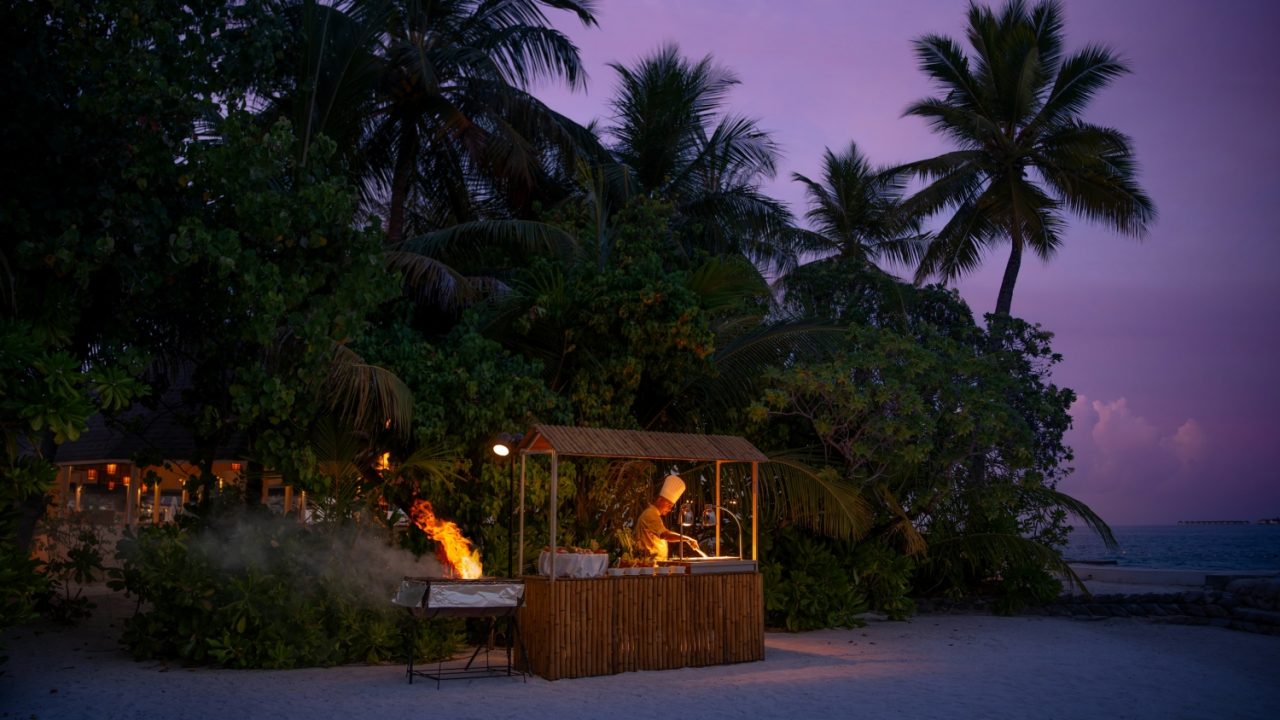
Machchafushi is also using destination dining to bring food into the surrounding landscape.
Rather than treating the restaurant as the only setting for a meal, the resort incorporates the island itself into selected dining experiences.
For chefs, destination dining requires a different operational approach.
Food may need to be transported from the main kitchen, finished away from conventional workstations and served in outdoor conditions where wind, humidity and temperature can affect both preparation and presentation.
Menu design therefore needs to consider practicality alongside creativity.
Certain dishes travel better than others. Sauces, delicate garnishes and temperature-sensitive preparations may require adaptation, while service timing must be closely coordinated between kitchen and front-of-house teams.
When executed effectively, however, the location itself becomes part of the dining experience.
At Machchafushi, that approach supports the resort’s intention to connect cuisine more directly with the marine and island environment.
A wider sensory approach
Although flavour completes The Machchafushi Universe, the concept is designed around all five senses.
Sight begins with the marine environment.
The resort’s house reef, surrounding dive sites and Kudhi Maa shipwreck provide guests with access to coral formations, tropical fish, turtles, stingrays, reef sharks, manta rays and whale sharks.
Above the surface, the more than 200-year-old Banyan Tree — known as the Ummeedhu Tree, or “Wish Fulfilment” tree — forms another visual and cultural reference point on the island.
Sound is represented through both the natural and human environment: waves moving across the reef, wind through vegetation, activity within restaurant kitchens and the pace of service.
Fragrance brings together sea air, coconut, vegetation, freshly prepared food and the botanical ingredients used at SPA Cenvaree.
Touch is expressed through experiences including snorkelling, diving, kayaking, paddleboarding, Thai massage and the Sacred Thread Ceremony beneath the Banyan Tree.
Food and beverage sit within this structure rather than outside it.
For chefs, this approach reflects a broader movement in resort gastronomy towards building menus around destination and context instead of treating cuisine as an independent attraction.
Translating place into food
The idea of “sense of place” has become increasingly relevant within luxury resort dining.
For culinary teams, the challenge is to convert an abstract concept into something guests can actually taste.
That does not necessarily mean every dish must use local ingredients or follow a traditional recipe.
Instead, sense of place can also be expressed through sourcing decisions, cooking style, seafood, presentation, restaurant setting, interaction with the landscape and the way menus reference the surrounding culture.
Machchafushi’s approach brings several of these elements together.
Thai cuisine reflects Centara’s origins. Italian coastal cooking provides another interpretation of seaside dining. Maldivian dishes introduce local culinary traditions, while island-inspired cocktails and destination dining connect food and beverage more directly to the physical setting.
The ocean remains the common thread.
Its influence can be seen in the resort’s marine activities and underwater environment, but it also provides a context for seafood dishes, coastal cuisine and the broader way guests move between the water and the dining table.
For the culinary team, this creates an opportunity to tell the island’s story without limiting it to a single cuisine.
The professional role of culinary storytelling
For chefs working in the Maldives, concepts such as The Machchafushi Universe also highlight how the role of a resort kitchen continues to expand.
Guests increasingly expect more than technically competent food. Menus are often required to reflect the identity of the property, respond to sustainability priorities and contribute to a wider narrative around culture and destination.
This places chefs in the position of storytellers as well as cooks.
A restaurant concept must be understandable through its dishes. Ingredients must make sense within the setting, while the dining experience needs to remain distinct from what could be offered at another resort.
Achieving that requires collaboration between culinary teams, beverage professionals, service staff, marine teams, marketing departments and other parts of the operation.
At Machchafushi, the sensory framework provides that common narrative.
The resort is defined not by a single restaurant, reef excursion or cultural activity, but by the relationship between them.
For guests, that relationship may begin underwater, continue through an afternoon on the island and finish at the dinner table.
For chefs, it means that food becomes part of a much larger expression of destination.
From the reef surrounding “Fish Island” to Thai dishes at Suan Bua, coastal flavours at Mare Azzurro, Maldivian specialities at The Reef and island-inspired cocktails at the bars, Machchafushi is using gastronomy as one of the principal ways to translate its environment into the guest experience.
In doing so, the resort demonstrates how food and beverage can move beyond restaurant service and become part of the identity of an island itself.
Centara Hotels & Resorts Machchafushi Island Resort & Spa Resort Reviews Reviews